Mother Invents Protective Device for Gastrostomy Patients in Bahia
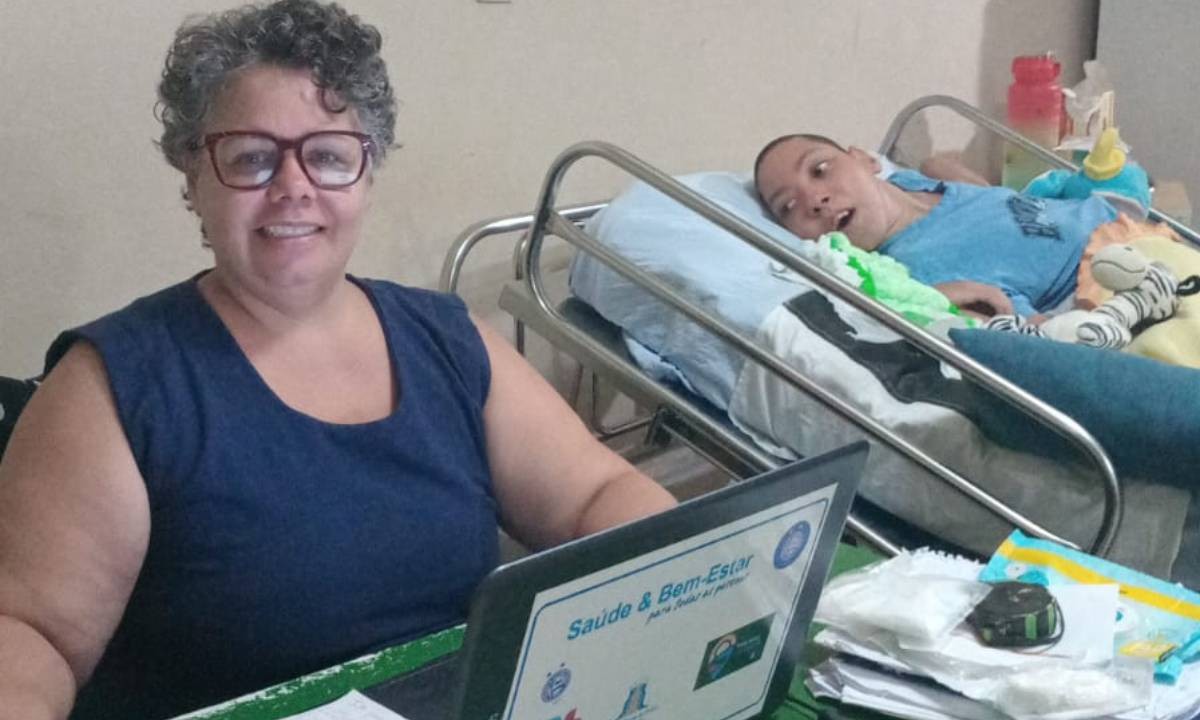
A mother from Salvador, Bahia, has developed an innovative solution to protect individuals with gastrostomies from skin injuries caused by feeding tubes. Nilza Carla Leal, a biologist and nursing technician, was inspired by her son João Pedro Leal, 20, who has cerebral palsy and has suffered from constant irritation due to the gastrostomy device since he was a baby. Leal created a dermal absorbent, named JO+, designed to absorb gastric fluid before it contacts the skin, preventing leaks and friction. The device changes color to indicate when it needs to be replaced, offering a more hygienic and comfortable alternative to traditional gauze and adhesive methods. These current methods are often insufficient and can lead to further complications, according to Leal. The development process began in 2016, driven by Leal's desire to prevent her son's frequent hospitalizations due to complications. The JO+ device, made from polyurethane sourced from China, costs approximately R$4.90 per unit to produce, though patients may need up to six per day. Leal has patented the invention and is now seeking funding to scale production and commercialize the product. She aims to make the JO+ accessible to a wider population, including through the public health system (SUS), where 155 gastrostomy procedures were performed in Bahia last year out of a national total of 3,783. A legal expert clarified that the JO+ is classified as a health product by Brazil's health regulatory agency (Anvisa) and requires sanitary regularization, a process typically completed within 30 days. However, other preparatory steps, such as company regularization and technical testing, can take months to years. Leal faces challenges in accessing funding due to current grant requirements based on annual revenue, which she has not yet achieved.
This case highlights the critical role of caregiver-driven innovation in addressing unmet medical needs. The development of the JO+ device by Nilza Carla Leal demonstrates how personal experience can lead to practical solutions for common patient discomforts and complications. The narrative underscores the systemic challenges faced by inventors in bringing novel health products to market, particularly regarding regulatory pathways and funding acquisition. While Anvisa's relatively swift approval process for low-risk devices is noted, the broader hurdles of manufacturing scale-up, market access, and securing sustainable financing present significant obstacles. Future efforts could explore alternative funding models or public-private partnerships to bridge the gap between invention and widespread availability, ensuring that such beneficial innovations can reach the patients who need them most, thereby improving public health outcomes and reducing healthcare burdens.
AI-generated to prompt reflection — not editorial opinion, not advice, not a statement of fact. How this works.