Mother Links Son's Death to Online Gambling, Vows to Fight Addiction
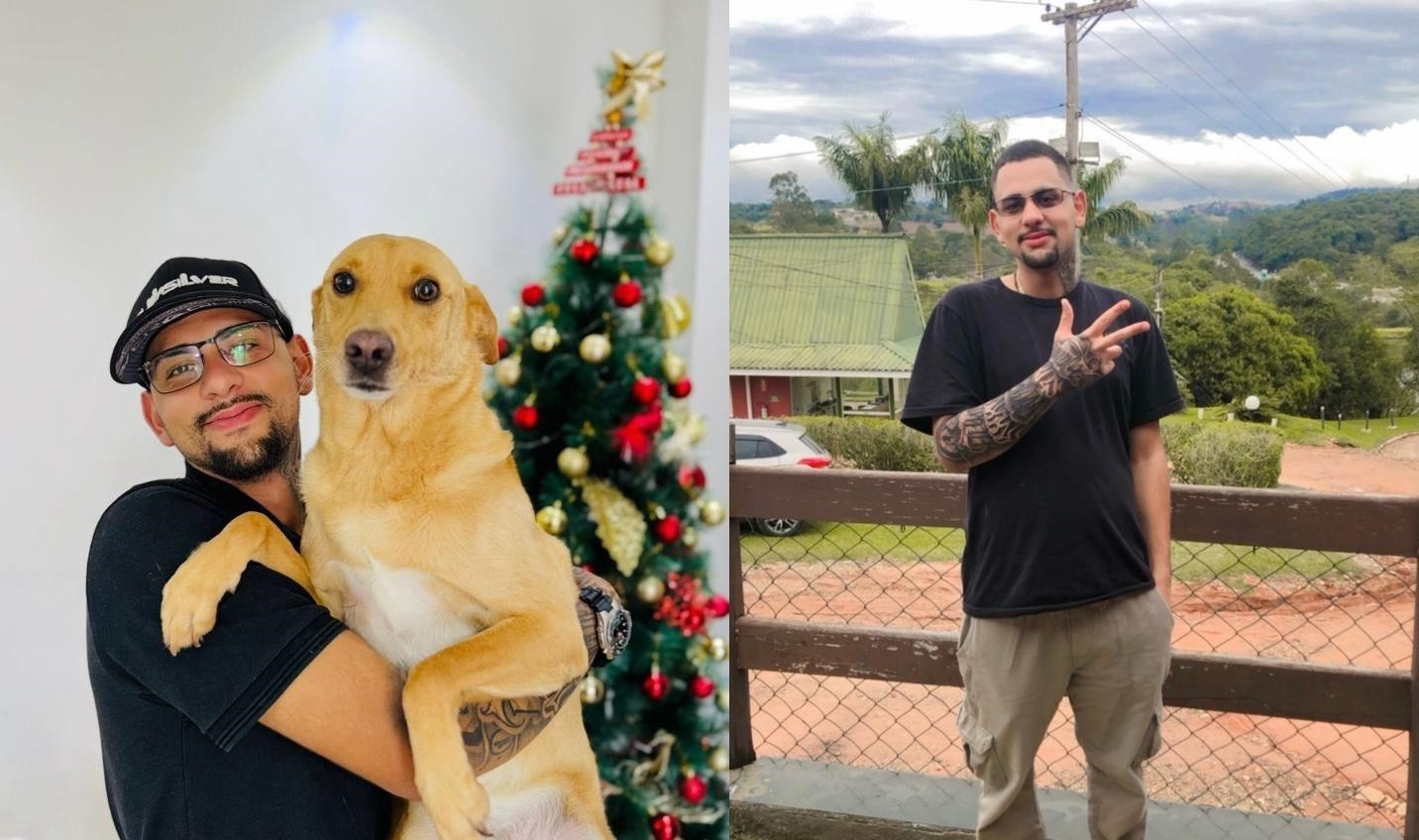
Daysi Donola, a businesswoman from Jundiaí, São Paulo, is mourning the recent loss of her son, Lucas Donola da Silva, and attributes his death to online gambling. She has kept mementos of Lucas, including his favorite clothes, glasses, and perfume, as she navigates her grief. Daysi describes Lucas as a loving, generous young man who was close to his family and animals before discovering online betting through a friend in 2023. His personality began to change dramatically as he became addicted to gambling, spending nights playing, neglecting meals, and losing sleep. Lucas started borrowing money from family and friends, accumulating debt, and isolating himself. His parents noticed a significant shift, with Lucas becoming more aggressive verbally and unable to maintain employment, frequently quitting jobs to fund his gambling. He missed family holidays, including the last Christmas and New Year's Eve. Daysi attempted to intervene by taking his phone and seeking psychiatric help, but Lucas resisted treatment. Tragically, Daysi found her son after he took his own life. The family has since moved from their home, finding it too painful to stay. Now, one month after Lucas's death, Daysi is determined to channel her profound sorrow into raising awareness about the dangers of online gambling addiction. She hopes to share Lucas's story through talks and campaigns to prevent other families from experiencing similar devastation, stating she will follow this path with all her heart if it can save a life or spare another family her pain. Neurologist Ana Paula Gomes confirms that gambling disorder is a recognized medical illness, similar to substance addiction, characterized by loss of control and negative consequences. The brain's reward system, specifically dopamine release, is activated by the uncertainty and potential reward of betting, leading to compulsive behavior over time.
This narrative highlights the devastating consequences of unchecked online gambling addiction, framing it as a significant public health concern. The mother's personal tragedy is presented as a catalyst for advocacy, seeking to transform private grief into a public service. From a systemic perspective, the rapid growth of online betting platforms, often leveraging sophisticated psychological triggers, intersects with societal vulnerabilities, particularly among young adults. The neurological explanation underscores the biological mechanisms that can drive compulsive behavior, suggesting that interventions must address both psychological and neurochemical aspects. The challenge lies in balancing individual responsibility with the responsibility of platforms and regulators to mitigate harm, especially given the addictive potential inherent in the design of these services. Future considerations should include robust prevention strategies, accessible treatment options, and a critical examination of the regulatory frameworks governing online gambling to ensure they adequately protect consumers.
AI-generated to prompt reflection — not editorial opinion, not advice, not a statement of fact. How this works.