Mother of Twins Highlights Breastfeeding Importance During World Breastfeeding Week
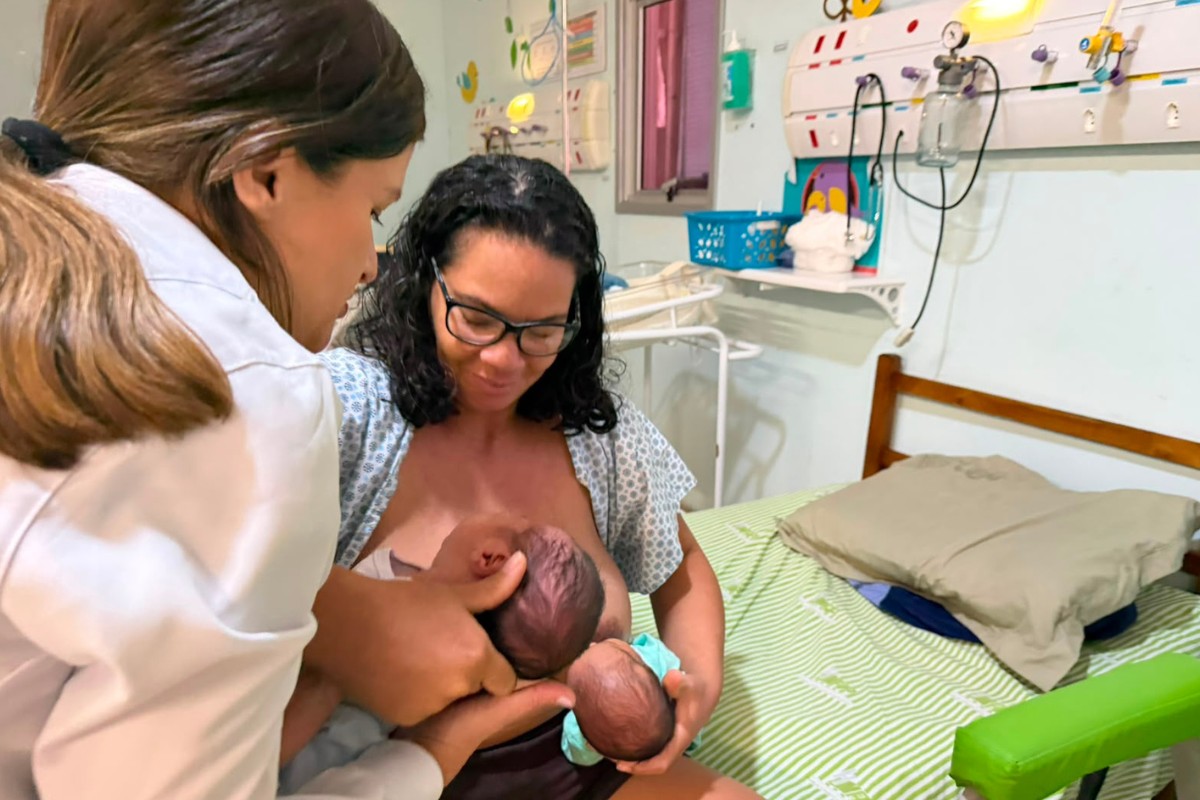
During World Breastfeeding Week, celebrated from August 1st to 7th, the critical role of breast milk for newborn health is being emphasized. In Campo Grande, Brazil, Rosângela Ferreira Bueno, mother of twins Davi and Ravi, shared her experience, underscoring how milk donation can significantly impact premature infants. Rosângela found breastfeeding initially challenging but ultimately rewarding, especially knowing her twins were receiving the best nutrition. Her personal journey led her to become a milk donor after her own twins received donated milk. She now encourages other mothers with surplus milk to donate, stating it makes a substantial difference for premature babies. The Human Milk Bank at the Campo Grande University Hospital (Humap/UFMS), a leading facility for premature infants in Mato Grosso do Sul, is facing a critical shortage. The Neonatal Intensive Care Unit (NICU) currently has 25 newborns requiring breast milk eight times daily. To meet the full demand and avoid using infant formulas, the bank needs approximately 180 liters of milk per month but is only collecting about 90 liters. Nutritionist Fabiana Santos Araújo from Humap's Human Milk Bank explained that breast milk provides essential nutrients and protective factors vital for the clinical and nutritional recovery of these vulnerable infants. Rosângela expressed profound gratitude for her ability to breastfeed, calling it a source of happiness.
World Breastfeeding Week serves as a crucial reminder of the biological and immunological advantages of human milk, particularly for vulnerable infant populations like premature babies. The reported deficit at the Humap Human Milk Bank highlights a systemic challenge in ensuring adequate supply to meet demand, potentially necessitating reliance on less optimal infant formulas. This situation underscores the importance of public health initiatives that not only promote breastfeeding but also robustly support milk donation infrastructure. Future strategies should consider incentivizing donation and streamlining collection processes to bridge supply gaps, ensuring equitable access to breast milk for all infants requiring it, thereby optimizing long-term health outcomes and potentially reducing healthcare costs associated with infant morbidity.
AI-generated to prompt reflection — not editorial opinion, not advice, not a statement of fact. How this works.