Mother's Fabricated Illnesses Led to Years of Child Abuse for Dutch Girl
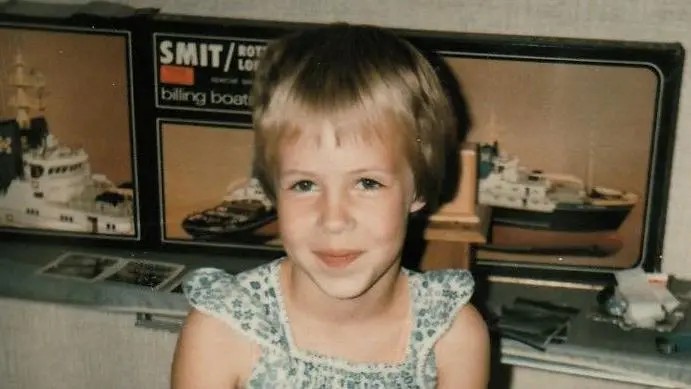
Nina Blom, who grew up in the Netherlands during the 1970s and 1980s, endured years of fabricated illnesses orchestrated by her mother. Her mother took her to 16 different hospitals over several years, convincing doctors that Nina suffered from severe, untreatable conditions, including a supposed incurable muscle disease that required her to use a wheelchair. Despite numerous medical examinations, Nina's ailments remained a mystery to many physicians. The abuse escalated with physical and psychological punishments, including destruction of her belongings and forced confinement. At one point, Nina's mother bandaged her arms so tightly that her limbs went numb, seemingly to induce pain and distress. Nina's father was aware of the situation but did not intervene to protect her. The mother also resorted to secretly administering pills and even suggested euthanasia to doctors. The cycle of abuse continued with new doctors and fabricated symptoms, leaving Nina confused and isolated. Eventually, a perceptive doctor pieced together Nina's history and identified her mother as the source of her fabricated illnesses, a condition known as Munchausen by proxy. Nina later published her experiences in a book titled 'You are a Horrible Child' and inspired a graphic novel for young people.
This case highlights the severe psychological and physical harm that can result from Munchausen by proxy, a form of child abuse where a caregiver fabricates or induces illness in a dependent. The narrative underscores the critical role of medical professionals in identifying patterns of abuse, particularly when a caregiver's behavior appears inconsistent with the child's presentation or medical findings. Future healthcare systems can improve by fostering greater interdisciplinary collaboration and providing enhanced training for recognizing and reporting such complex abuse dynamics. The long-term impact on survivors necessitates robust support structures, focusing on psychological recovery and empowerment, enabling them to reclaim their narratives and well-being in the face of profound betrayal.
AI-generated to prompt reflection — not editorial opinion, not advice, not a statement of fact. How this works.