Mother's Hepatitis B Positive: Will Newborn Also Be Infected?
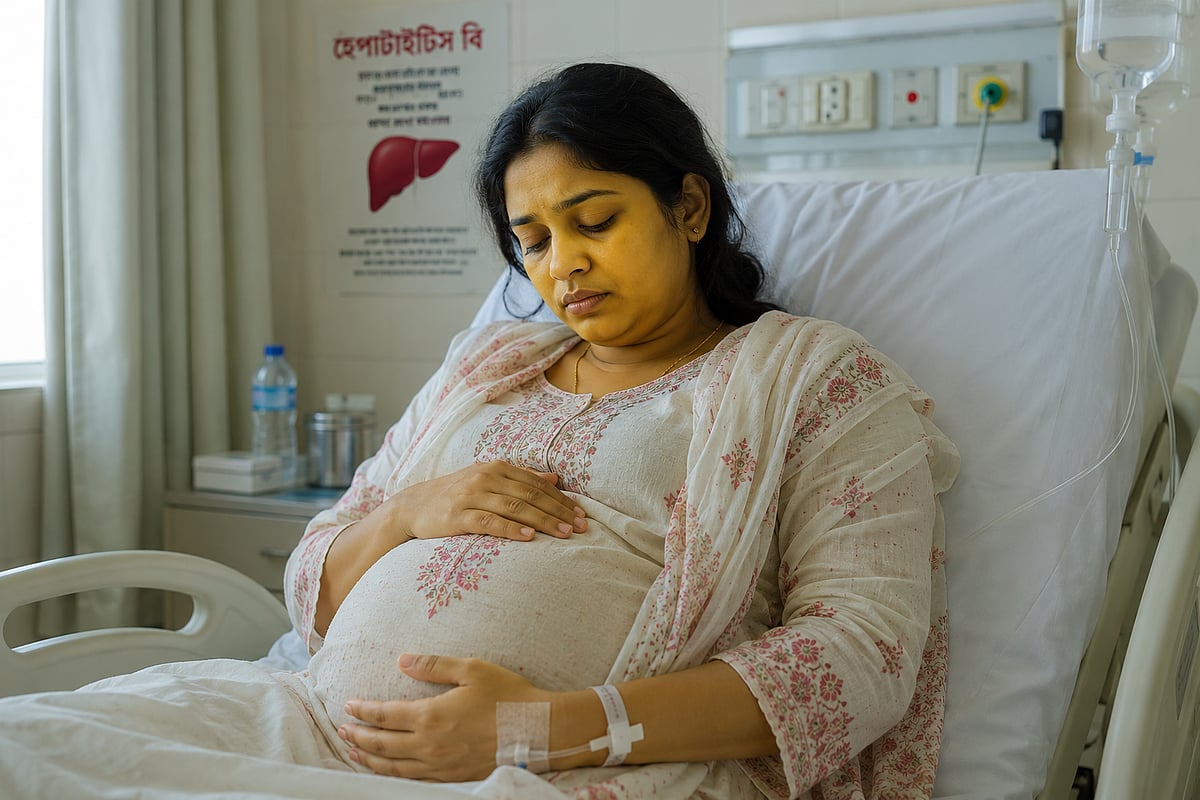
On World Hepatitis Day, observed annually on July 28th by WHO member states, awareness, prevention, detection, and treatment of hepatitis are emphasized. Pregnant women can contract hepatitis, and if a mother tests positive for Hepatitis B, her newborn faces a significant risk of infection. This poses a serious threat, as infected infants are prone to long-term liver issues like cirrhosis. However, timely interventions can largely protect newborns from these complications.
To manage this, pregnant women with Hepatitis B should undergo blood tests like HBV DNA and HBeAg to determine viral load. If positive, medication to treat the virus may be initiated between 28-32 weeks of pregnancy, substantially reducing maternal viral levels and the risk to the infant. Crucially, within 12 hours of birth, the newborn must receive the first dose of the Hepatitis B vaccine and Hepatitis B immune globulin in separate thighs for maximum protection. Subsequent vaccine doses should follow the national immunization schedule alongside pentavalent vaccines.
Post-vaccination, antibody levels can be checked between 9-12 months. Family members should also be tested for Hepatitis B; those not infected and unvaccinated should receive the vaccine. Breastfeeding is generally safe for infants who have received the birth doses, unless the mother has cracked nipples. All pregnant women should be screened for Hepatitis B, and if positive, undergo further tests and potential treatment during pregnancy. Completing the vaccine series and subsequent testing are vital for ensuring infant protection.
The article highlights a critical public health concern regarding vertical transmission of Hepatitis B from mother to child. It outlines a clear, evidence-based protocol involving prenatal screening, antiviral therapy for mothers with high viral loads, and immediate post-natal vaccination and immunoglobulin administration for newborns. This multi-pronged approach demonstrates a mature public health system's capacity to mitigate preventable diseases. The emphasis on timely intervention and adherence to vaccination schedules underscores the importance of robust healthcare infrastructure and public trust in medical guidance. Future considerations might involve exploring the long-term efficacy of these interventions in diverse populations and optimizing accessibility to screening and treatment, particularly in resource-limited settings, to further reduce the global burden of Hepatitis B.
AI-generated to prompt reflection — not editorial opinion, not advice, not a statement of fact. How this works.