Mother's Vigilance Leads to Early Diagnosis of Congenital Cataracts in Baby in Acre
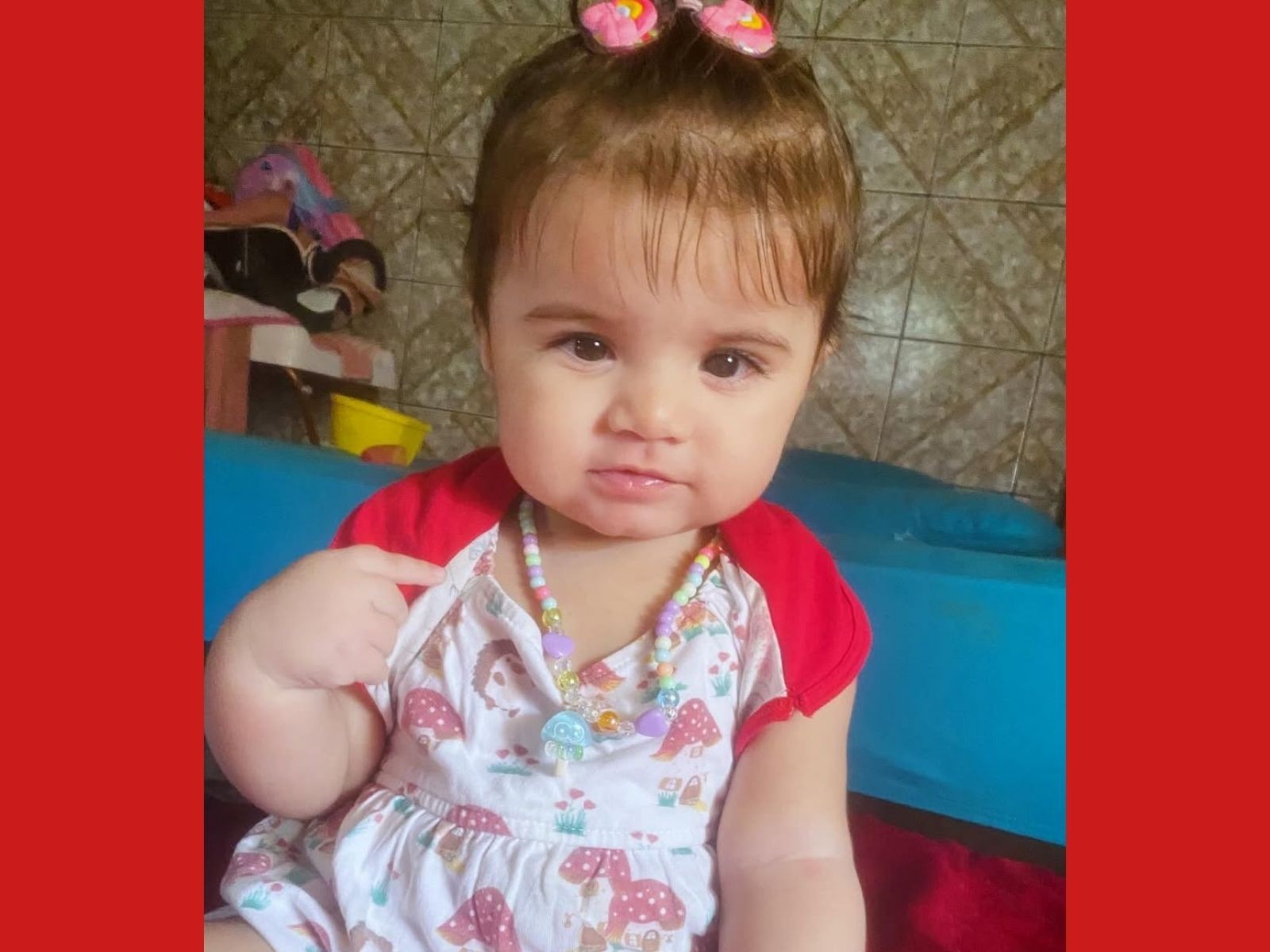
Ana Clara dos Santos, a mother in Acre, Brazil, noticed an unusual white reflection in her five-month-old daughter Isadora Sophia's eyes instead of the typical red reflex seen in photos. This observation prompted her to seek medical attention, leading to a diagnosis of congenital cataracts and amblyopia, commonly known as 'lazy eye'. Initially, the family feared a diagnosis of retinoblastoma, a childhood eye cancer, but further tests ruled this out. Congenital cataracts involve the clouding of the eye's natural lens from birth or early infancy, hindering light from reaching the retina. Amblyopia occurs when the brain fails to develop proper vision due to a lack of visual stimulation, potentially causing permanent sight loss if not treated promptly.
Isadora, who was born prematurely between 34 and 35 weeks gestation, is now 11 months old and experiences vision impairment that affects her development, causing her to be hesitant when walking. Her mother expressed deep concern about the potential for permanent vision loss. An ophthalmologist explained that the critical period for visual development is in the first few months of life, making early intervention crucial. The Teste do Olhinho (Red Reflex Test) is vital for early detection. While Isadora's condition is bilateral, surgery is recommended within the first few weeks of life for the best chance of visual recovery, especially when combined with rehabilitation.
The family has applied for external treatment through the State Health Secretariat of Acre (Sesacre), initially expecting surgery in Manaus. However, after learning that pediatric procedures were no longer offered there, their request was forwarded to other states. The Distrito Federal has agreed to receive Isadora for treatment, and the family is awaiting a confirmed date for the procedure. In parallel, a crowdfunding campaign has been launched to cover the estimated R$10,000 cost of the surgery, plus travel and accommodation expenses, as the family anxiously awaits the appointment to ensure Isadora can see properly.
This case highlights the critical role of parental observation and early detection in pediatric healthcare, particularly for conditions affecting vision. The delay in accessing specialized treatment, despite government protocols like the Tratamento Fora de Domicílio (TFD), underscores systemic challenges in healthcare access and resource allocation, especially for rare conditions requiring specialized pediatric surgical intervention. The reliance on crowdfunding indicates a gap between publicly funded healthcare promises and timely delivery of essential services. Looking ahead, advancements in telemedicine and AI-driven diagnostic tools could potentially bridge geographical disparities and expedite diagnoses, but robust public health infrastructure remains paramount to ensure equitable access to life-altering treatments for all children, regardless of their location or socioeconomic status. The situation also points to the need for continuous evaluation of specialized service availability across regional health networks to prevent such prolonged waiting periods.
AI-generated to prompt reflection — not editorial opinion, not advice, not a statement of fact. How this works.