Mother tells daughter with brain tumor, "The medicine worked," after trial in Japan failed
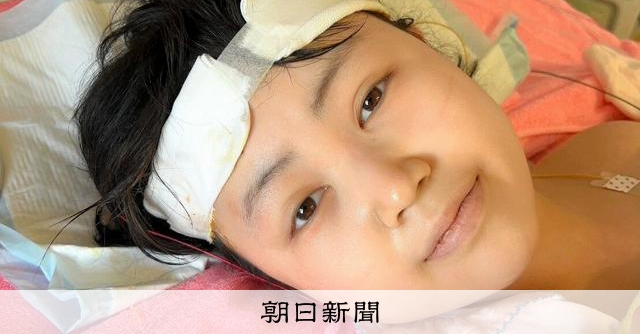
A mother shared a poignant moment with her daughter, who has a brain tumor, stating, "The medicine worked." This statement comes after a clinical trial that could not be conducted in Japan. The daughter's condition, a brain tumor, necessitated seeking treatment options beyond what was available domestically. The success of the medicine, as reported by the mother, offers a glimmer of hope for her daughter's health. The inability to perform the necessary clinical trial in Japan highlights potential limitations in the country's medical research infrastructure or regulatory processes for certain treatments. This situation underscores the challenges faced by patients and families when advanced or experimental therapies are not accessible locally. The mother's words, while simple, carry immense emotional weight, reflecting the desperate search for effective treatments for severe illnesses. The success of the medicine abroad contrasts sharply with the lack of opportunity for such trials within Japan. This case may prompt discussions about improving access to cutting-edge medical research and treatments for Japanese citizens.
The situation highlights a critical challenge in global healthcare access, where patients may need to seek experimental treatments abroad due to limitations in domestic clinical trials. This can be influenced by regulatory hurdles, funding availability, or the specific nature of the disease and potential therapies. For families, the emotional and financial burden of seeking treatment internationally is significant. From a systemic perspective, this scenario prompts consideration of how national regulatory frameworks and research funding priorities impact patient outcomes and the adoption of innovative medical technologies. Ensuring equitable access to potentially life-saving treatments, even those still in trial phases, remains a complex but vital goal for public health systems worldwide.
AI-generated to prompt reflection — not editorial opinion, not advice, not a statement of fact. How this works.