MotoChefe Opens Sorocaba Unit with Brazil's Largest Scooter Test Ride Track
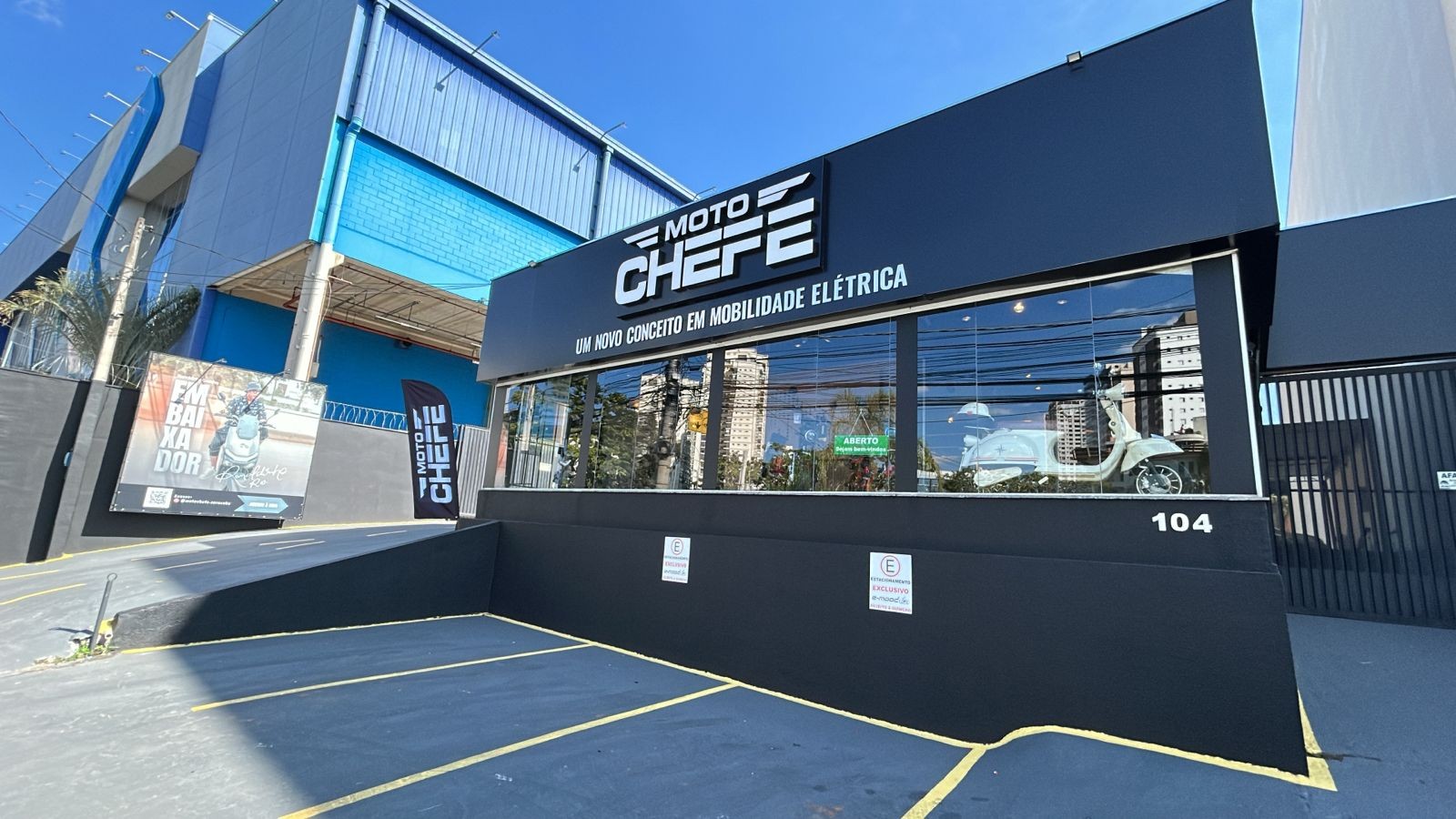
MotoChefe, a pioneer in electric scooter sales in Brazil, has expanded its presence in São Paulo's interior with a new unit in Sorocaba, inaugurated in April. Established in 2019, the company operates its own assembly line in the Manaus Free Trade Zone and boasts a significant network of 65 company-owned stores and over 300 authorized dealerships nationwide. The Sorocaba location offers a specialized showroom for electric mobility, featuring more than 15 electric scooter models, including popular choices like the X12, X11, and Roma. Situated at Avenida Antônio Carlos Comitre, 104, in Campolim, the unit also maintains inventory for immediate delivery, allowing customers prompt access to vehicles. A key feature of this new operation is its extensive test ride track, the largest among MotoChefe's Brazilian facilities, designed for customers to experience vehicle performance, comfort, stability, and handling in a practical, secure environment before purchase. Beyond vehicle demonstrations, the Sorocaba store provides specialized technical assistance and comprehensive after-sales support, including maintenance and parts availability. The national manufacturing base facilitates quicker service and component replacement, enhancing consumer confidence in electric technology. The convenience of electric scooters is also a driving factor, with models up to 1,000 watts not requiring a driver's license or registration. Sérgio Dias, director of MotoChefe Sorocaba, highlighted the growing demand for intelligent urban mobility solutions, emphasizing the economic, practical, and sustainable benefits of electric vehicles and the company's commitment to a complete customer experience.
The expansion of electric mobility providers like MotoChefe into regional Brazilian markets signifies a broader trend toward sustainable urban transportation solutions. The company's strategy, emphasizing local test ride facilities and readily available inventory, addresses consumer adoption barriers by offering tangible experiences and immediate gratification. This approach is particularly relevant in a country where regulatory frameworks for electric vehicles are still evolving, and consumer trust in new technologies is being built. As the electric vehicle sector matures, companies that can effectively integrate manufacturing, sales, and after-sales support, while also navigating diverse regional market needs and regulatory landscapes, are likely to gain a competitive advantage. The focus on models not requiring a driver's license or registration also points to a strategy targeting a wider demographic, potentially accelerating market penetration.
AI-generated to prompt reflection — not editorial opinion, not advice, not a statement of fact. How this works.