Motorcycle Accident Victims Treated by Brazil's SAMU in Greater Recife Surge 57%
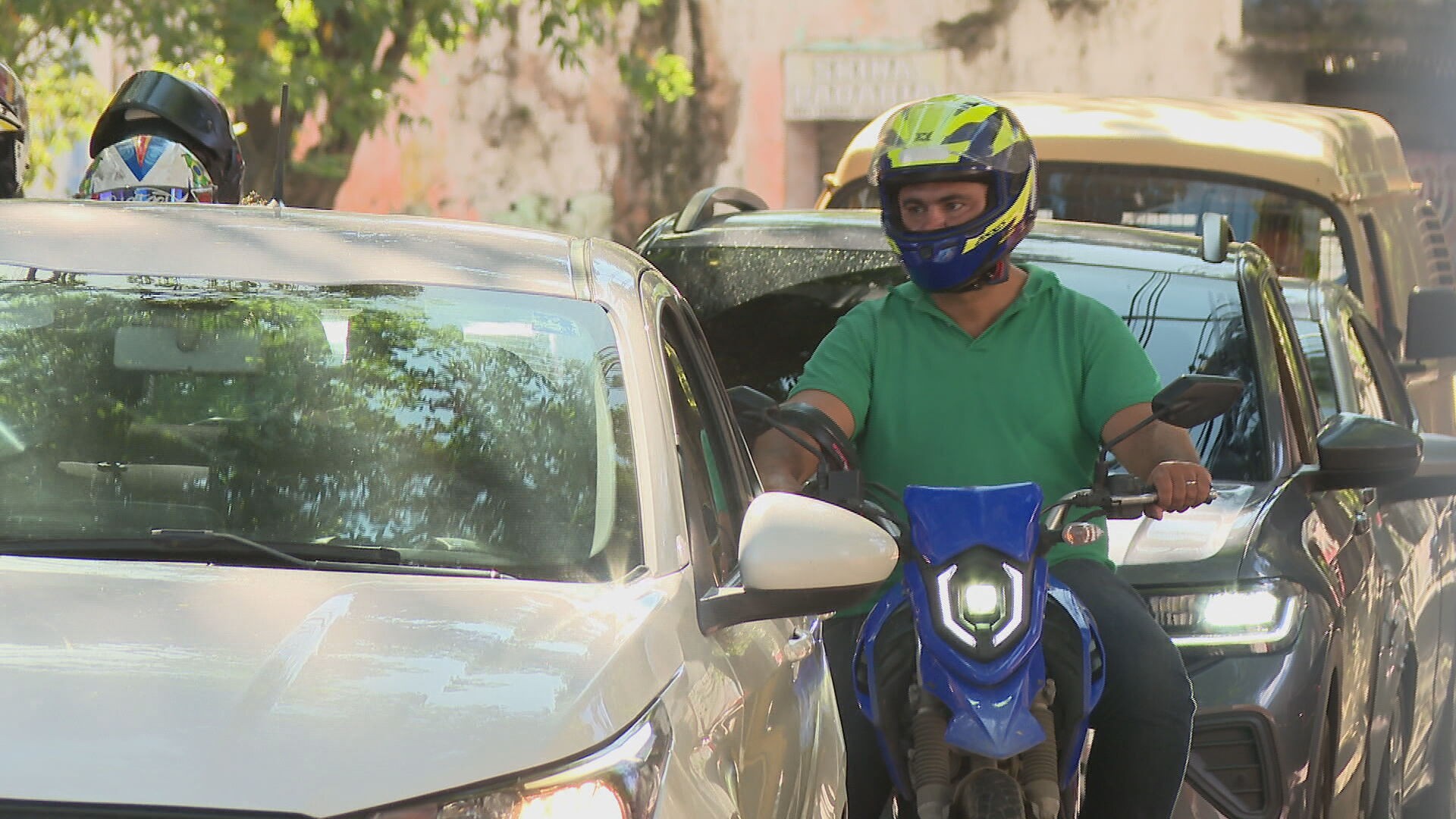
The number of emergency responses by Brazil's Mobile Emergency Service (SAMU) to motorcycle accidents in the Greater Recife metropolitan area has increased by 57.69% between 2022 and 2025. In 2025 alone, SAMU recorded 11,231 cases, with the capital city of Recife seeing its highest numbers in December, resulting in approximately 600 injuries and around 20 daily attendances. Leonardo Gomes, the general coordinator of SAMU Metropolitano, highlighted that this rise strains resources, as motorcycle accidents often involve multiple victims, sometimes requiring two or even three ambulances where one sufficed previously. He also noted that these severe trauma cases often take priority over less critical medical emergencies, potentially delaying care for patients with conditions like hypertension or chest pain. Wellington da Silva, a ride-share motorcyclist, recounted his own accident due to a risky overtaking maneuver, emphasizing the challenges faced by riders, including the pressure to meet delivery quotas. Road safety specialist Rodrigo Aguiar dos Santos attributes the increase largely to the proliferation of delivery and ride-sharing services. He estimates that approximately 90% of these accidents are due to human factors, such as speeding and alcohol consumption, though poor road conditions and vehicle issues also contribute. Santos stressed the importance of driver awareness and avoiding dangerous behaviors to mitigate these incidents.
The surge in motorcycle accident responses by SAMU in Greater Recife, a 57.69% increase between 2022 and 2025, points to a complex interplay of economic incentives and public safety challenges. The growth of the gig economy, particularly in delivery and ride-sharing services, has demonstrably increased motorcycle traffic. This rise in vehicle numbers, coupled with factors like human error (estimated at 90% by experts) and potentially inadequate infrastructure, creates a higher incidence of severe accidents. The strain on emergency services, as highlighted by SAMU's increased resource allocation per incident, suggests a systemic issue where economic pressures on riders may inadvertently compromise safety. Future policy considerations could explore incentives for safer riding practices, enhanced road maintenance in high-traffic zones, and potentially regulations that balance the demands of the gig economy with public health outcomes. Addressing this trend requires a multi-faceted approach that considers both individual behavior and the broader socioeconomic and infrastructural contexts driving motorcycle usage.
AI-generated to prompt reflection — not editorial opinion, not advice, not a statement of fact. How this works.