Motorcycle Accidents Surge for Sixth Consecutive Month in Campos dos Goytacazes
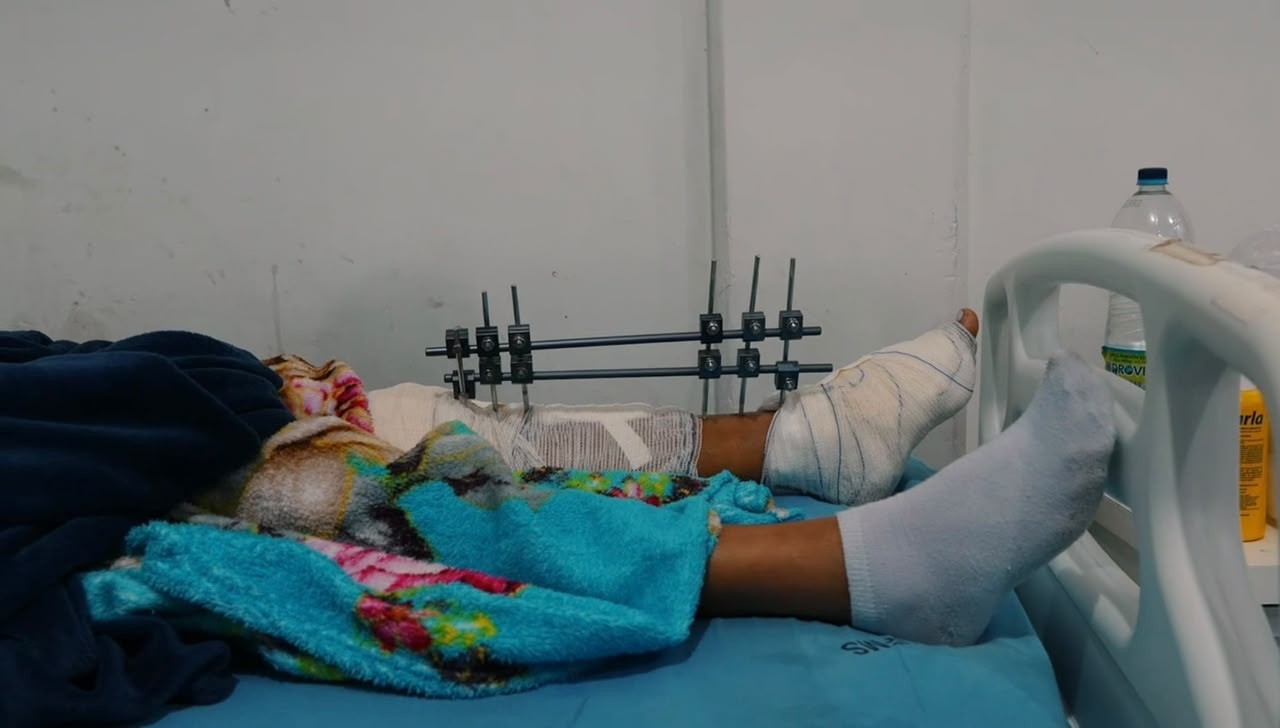
The Hospital Ferreira Machado (HFM) in Campos dos Goytacazes, Northern Rio de Janeiro, is experiencing a significant increase in motorcycle accident victims, marking the sixth consecutive month of rising incidents. In the first half of 2026, the hospital treated 2,633 individuals injured in motorcycle crashes. This trend shows a steady climb, with January recording 335 cases, escalating to 515 by June, representing an over 53% increase from the beginning to the end of the semester. Beyond motorcycles, HFM also handled 1,099 bicycle-related accidents, 413 car crashes, and 386 pedestrian incidents during the same period. The hospital's emergency room director, orthopedist Fábio Macedo, confirmed that the rise is constant, irrespective of weather or holidays, leading to overcrowded wards and impacting care quality. He emphasized the need for a traffic paradigm shift in Campos, particularly concerning motorcycle safety. Macedo noted that the majority of victims are young, economically active men who often sustain severe trauma and permanent disabilities. He stressed the critical role of proper helmet use in mitigating injury severity, distinguishing between minor trauma and life-altering neurological damage or fatalities. The surge in accidents also strains hospital resources, increasing demand for surgeries, hospitalizations, and intensive care beds. Orthopedist Aluísio Puglia added that good physical condition can aid faster recovery from trauma due to better muscle mass, contrasting with slower recovery in older individuals experiencing natural muscle loss. The HFM administration urges safer traffic behaviors, including adherence to laws, speed reduction, attentive driving, and consistent use of protective gear, as essential for reducing these numbers.
The persistent rise in motorcycle accident casualties at Hospital Ferreira Machado highlights a critical public safety challenge in Campos dos Goytacazes. This trend, sustained over six months, suggests systemic issues within the local traffic environment, potentially linked to infrastructure, enforcement, or prevailing driver behaviors. The hospital's capacity is demonstrably strained, indicating that reactive emergency care is becoming insufficient to manage the escalating demand. Future-oriented strategies should focus on proactive interventions, such as enhanced road safety education, targeted enforcement of traffic laws, and urban planning that prioritizes the safety of vulnerable road users. The economic impact of severe injuries on young, working-age individuals also warrants consideration, as it affects workforce productivity and places a long-term burden on healthcare and social support systems. Addressing this requires a multi-faceted approach that moves beyond individual responsibility to systemic improvements in traffic management and safety culture.
AI-generated to prompt reflection — not editorial opinion, not advice, not a statement of fact. How this works.