Motorcycle Accidents Surge in Rio de Janeiro, Injuring 144 Daily
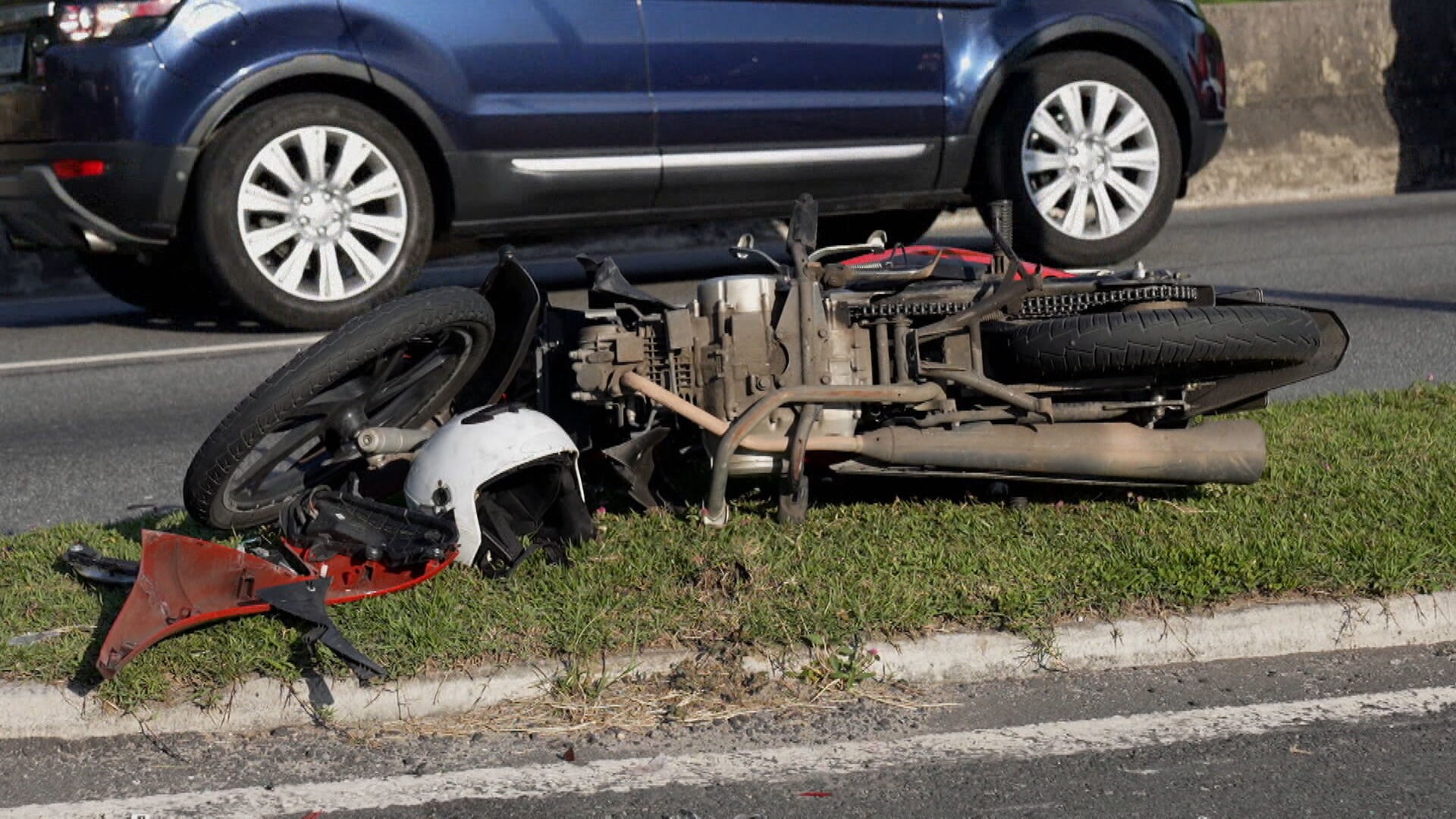
A dramatic increase in motorcycle accidents across Rio de Janeiro is overwhelming the public health system, with emergency services attending to an average of 144 victims per day, or one every ten minutes. The intensity of these incidents is such that firefighters report that 75% of their rescues now involve motorcycle crashes. The impact on victims is severe, as motorcycles offer no protection, meaning all force from a collision is directly absorbed by the rider. This surge is straining hospital emergency rooms and intensive care units, particularly with young patients requiring months of recovery. The situation has led to significant disruptions, including a hospital shifting its focus from geriatrics to orthopedics to accommodate the influx of trauma patients. Officials note that the pressure to meet delivery deadlines and longer working hours contributes to reckless behavior, such as running red lights and ignoring traffic laws. The consequences extend beyond immediate medical care, causing delays in elective surgeries and impacting the overall capacity of the healthcare network. Medical professionals emphasize that these accidents represent a critical public health issue, with simple acts of haste on the road leading to prolonged and complex recovery periods for individuals and their families.
The escalating number of motorcycle accidents in Rio de Janeiro highlights a critical intersection of urban mobility, economic pressures, and public health infrastructure. The data suggests that the growing reliance on motorcycle-based delivery services, driven by consumer demand and economic necessity, creates an incentive structure that prioritizes speed over safety. This leads to increased risk-taking behavior by riders facing tight deadlines, exacerbating the strain on emergency services and healthcare facilities. From a systemic perspective, the current situation reveals a potential mismatch between the rapid growth of a specific mode of transport and the capacity of public services to manage its consequences. Future urban planning and public health strategies may need to consider not only traffic flow but also the socio-economic drivers behind high-risk occupations and the resilience of healthcare systems in accommodating predictable surges in trauma cases. Addressing this challenge will likely require a multi-faceted approach involving regulatory oversight, enhanced safety education, and potentially the re-evaluation of delivery service models to ensure rider well-being and public safety.
AI-generated to prompt reflection — not editorial opinion, not advice, not a statement of fact. How this works.