Motorcyclist, 21, Dies After Being Hit by Kite String with Ground Glass in Brazil
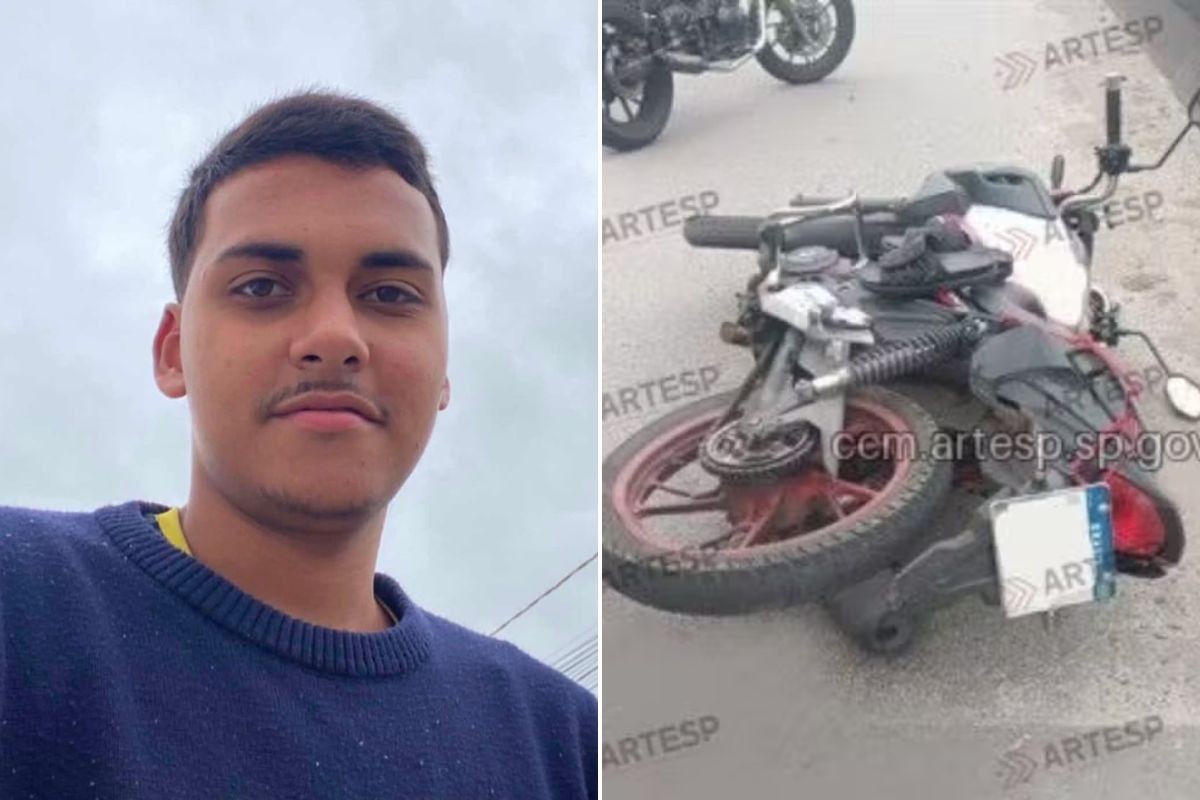
A 21-year-old motorcyclist, Matheus da Silva Evangelista, tragically died after being struck by a kite string coated with ground glass, known as 'cerol,' on the Imigrantes Highway in São Vicente, São Paulo, Brazil. The incident occurred on the lane heading towards the capital, at kilometer 67. According to Ecovias, the concessionaire managing the road, Evangelista lost control of his motorcycle after the impact and fell onto the shoulder. His family confirmed to TV Tribuna that he was actively searching for a 'corta-pipa' antenna, a device designed to prevent motorcyclists from being hit by such lines, to install on his vehicle. His aunt, Tatiana Lima, expressed her grief, stating that the accident happened because he couldn't find the safety equipment, lamenting his unfulfilled plans at just 21 years old. His cousin, Joelma Matos, emphasized the family's desire for justice, condemning the reckless use of 'cerol' and 'linha chilena' (Chilean line), which she described as an absurdity. Firefighters found the victim unconscious with a neck injury and attempted resuscitation before transporting him to the Central Emergency Room of São Vicente, where he was pronounced dead. The São Paulo Public Security Secretariat reported that police found a kite string with 'cerol' stretched across the road. The case has been registered as a homicide by the 2nd District Police of São Vicente, and an investigation, including forensic analysis of the scene, is underway.
This tragic incident highlights a persistent public safety issue in Brazil where the use of 'cerol' and similar dangerous kite lines poses a severe risk to motorcyclists. The victim's attempt to mitigate this risk by seeking a protective antenna underscores the proactive danger posed by these materials. The classification of the case as homicide by local authorities indicates a move towards accountability for those engaging in the illicit and dangerous practice of using 'cerol.' Future considerations should involve enhanced enforcement mechanisms, public awareness campaigns about the severe penalties and risks involved, and potentially technological solutions to detect or neutralize such hazards on roadways. The systemic challenge lies in balancing recreational activities with the imperative to protect public safety infrastructure and its users from preventable harm.
AI-generated to prompt reflection — not editorial opinion, not advice, not a statement of fact. How this works.