Motorcyclist, 24, Dies After Crashing into Water Truck in Campinas
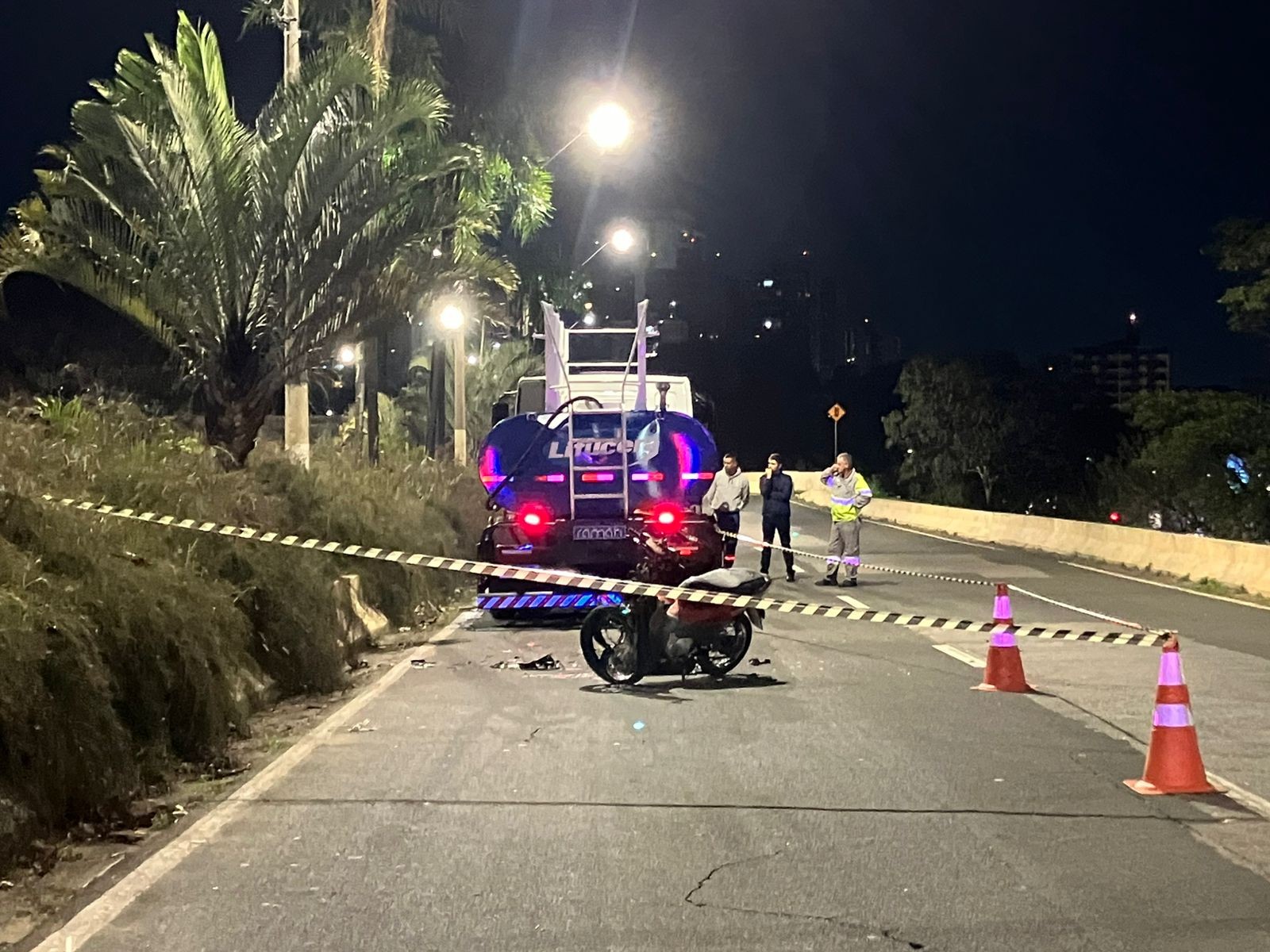
A 24-year-old motorcyclist, identified as Gabriel Loureiro, died on Thursday evening, October 2nd, after colliding with the rear of a water truck in Campinas, São Paulo. Loureiro was reportedly traveling at high speed and without a driver's license. The incident occurred on Avenida Júlio Prestes as the water truck, operated by a third-party company, was watering the central median plants while positioned in the left lane. According to a company employee, the area was signaled, and the motorcyclist appeared to be using his phone. However, a witness, motoboy Ricardo Reis, who was following the victim, contradicted this, stating the road was poorly marked and the truck's hazard lights were not activated. Reis suggested that if the area had been properly coned off, the motorcyclist might have attempted to swerve. Loureiro's family mentioned he worked in a workshop during the day and did app-based deliveries at night, and was on duty at the time of the accident. The Scientific Police conducted an on-site investigation, and their report will assist the Civil Police in their inquiry. The Secretariat of Public Services confirmed that the Campinas City Hall has formally requested an explanation from the service provider, emphasizing that signaling is a standard protocol and that the municipality will monitor the investigation.
This incident highlights critical safety concerns surrounding urban road maintenance and delivery work. The conflicting accounts regarding road signaling and vehicle visibility underscore the importance of standardized safety protocols for municipal contractors and the potential for inadequate enforcement. The victim's lack of a license and alleged phone use introduce elements of personal responsibility, but the witness's testimony raises questions about the sufficiency of the safety measures in place by the water truck operator. Future considerations should include enhanced oversight of third-party contractors, mandatory real-time tracking and safety compliance for all vehicles operating on public roads, and robust public awareness campaigns on safe riding and driving practices, particularly for gig economy workers who often face pressure to maximize delivery speed.
AI-generated to prompt reflection — not editorial opinion, not advice, not a statement of fact. How this works.