Motorcyclist Arrested for Fatal Shooting After School Altercation in Santo André
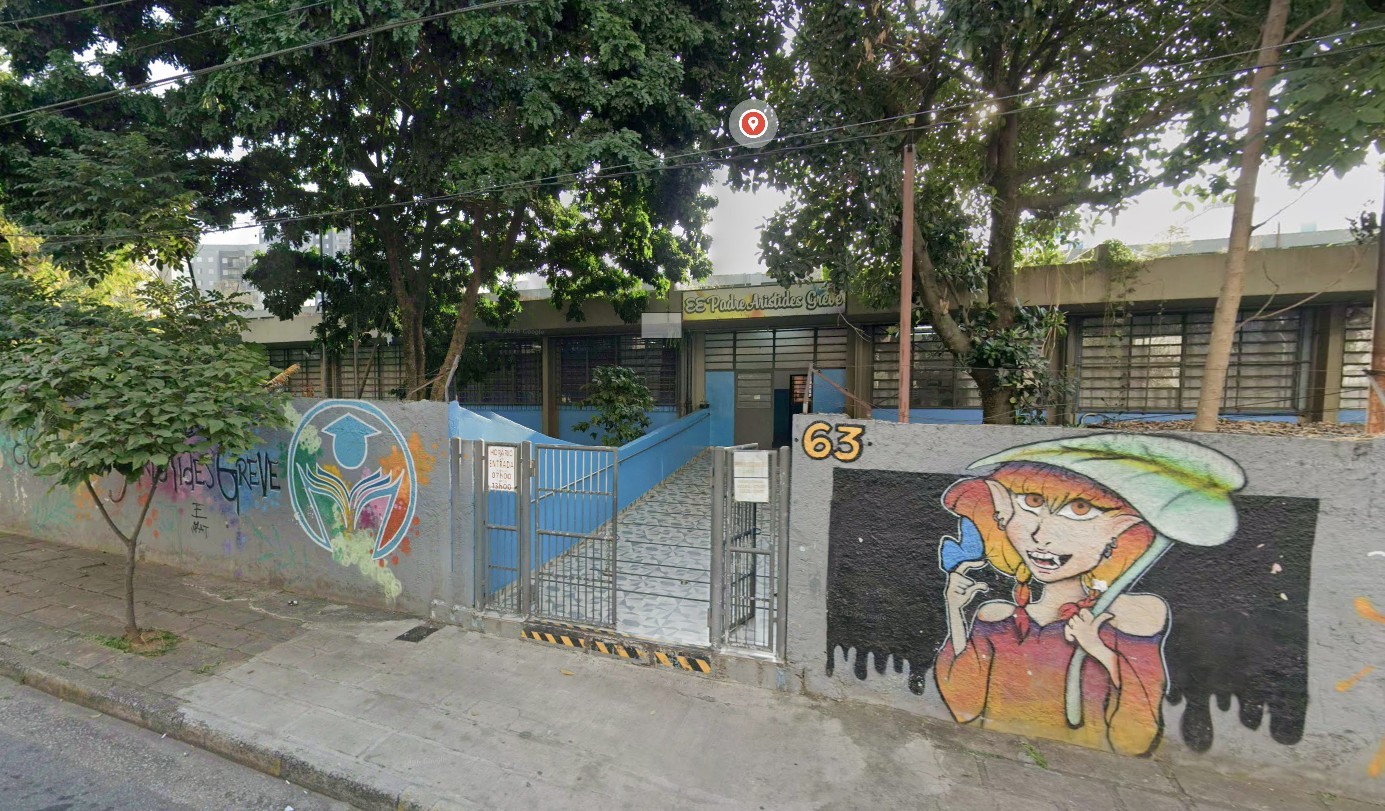
Police in Santo André, Greater São Paulo, have arrested Aldeir dos Santos Camara, a motorcyclist who fatally shot André Mancini de Souza, 36, on Tuesday, May 30th. Camara surrendered to authorities on Wednesday evening and is currently held at the Santo André Public Jail awaiting a custody hearing. The shooting occurred outside the Escola Estadual Padre Aristides Greve following a dispute that originated from an earlier physical altercation between students. The victim, André Mancini de Souza, was at the school to accompany his partner to pick up her niece. According to the police report, the initial conflict days prior involved one student being assaulted by two classmates, resulting in injuries and the need for medical attention. The victim's partner's family had been seeking explanations regarding this prior assault. On Tuesday, the victim's partner and her daughter went to the school to speak with the students accused of the aggression. During this attempt, school staff intervened, leading to a verbal argument that escalated into physical violence among several individuals. Amidst this broader commotion, a motorcyclist arrived, struck the victim's partner with a helmet, and then engaged in a physical fight with André Mancini de Souza. The motorcyclist fled the scene briefly before returning with a weapon and firing three shots at de Souza, hitting him in the chest and groin, before escaping again. De Souza was initially taken to the UPA of Bangu and later transferred to the Municipal Hospital of Santo André, where he succumbed to his injuries. The 2nd Police District of Santo André is investigating the incident as a homicide.
This incident highlights the volatile consequences of escalating interpersonal conflicts, particularly when they spill over from school grounds into public spaces. The rapid escalation from a student dispute to a fatal shooting involving external parties underscores the challenges in de-escalating tensions and managing conflict resolution within community and educational settings. The involvement of a motorcyclist, who intervened initially with a helmet and later returned with a firearm, suggests a breakdown in immediate conflict management and a resort to lethal force. Future considerations might involve enhanced security protocols, community mediation programs, and educational initiatives focused on non-violent conflict resolution for students, families, and the wider community to prevent similar tragic outcomes.
AI-generated to prompt reflection — not editorial opinion, not advice, not a statement of fact. How this works.