Motorcyclist Dies After Being Hit by Kite String with Glass Shards in São Paulo
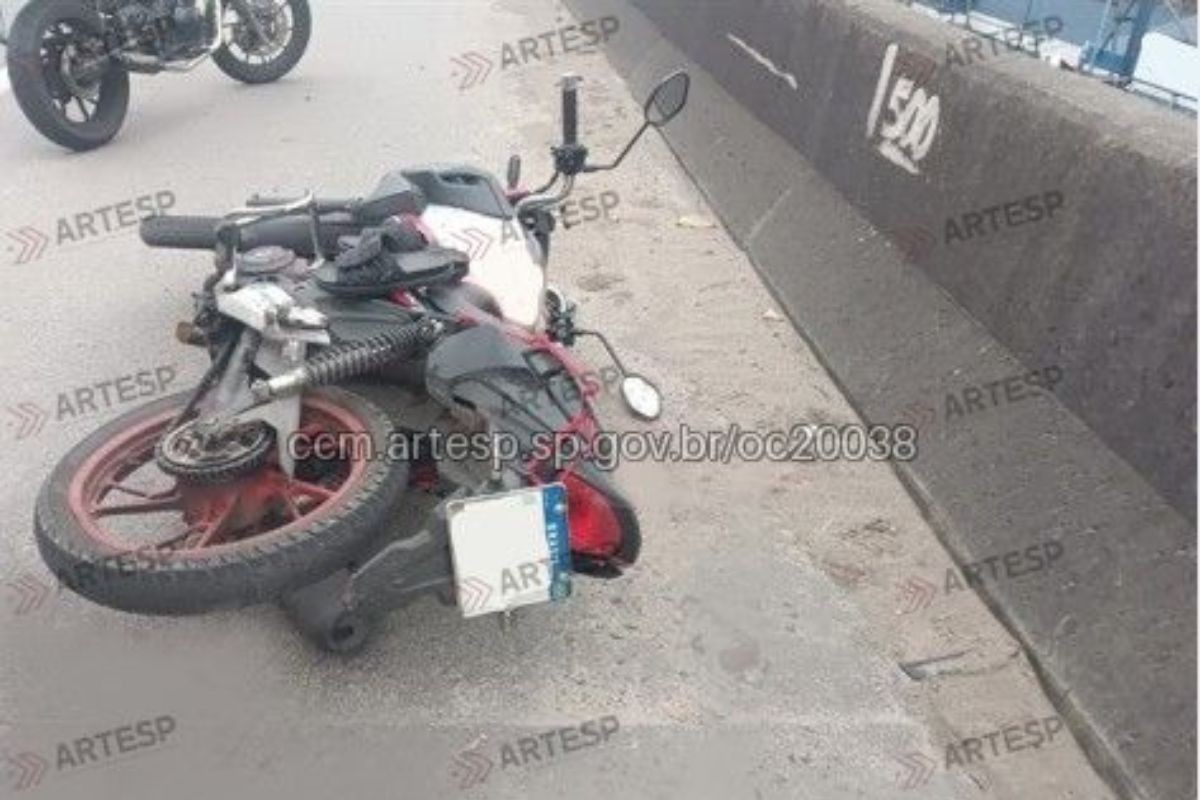
A 21-year-old motorcyclist tragically died on Wednesday, November 8th, after being struck by a kite string coated with 'cerol' (a mixture of glass shards and glue) on the Rodovia dos Imigrantes in São Vicente, São Paulo state. The incident occurred on the lane heading towards the capital, at kilometer 67 of the highway. According to Ecovias, the concessionaire managing the road, the motorcyclist lost control of his vehicle after the impact and fell onto the shoulder. Firefighters were dispatched around 3:40 PM and found the victim unconscious with a neck injury. Despite resuscitation efforts and transport to the Central Emergency Room in São Vicente, the motorcyclist succumbed to his injuries. The second lane and shoulder of the northbound carriageway were temporarily closed for the emergency response, but no traffic congestion was reported. The São Paulo State Public Security Secretariat confirmed that a kite string with 'cerol' was found stretched across the road. The case has been registered as a homicide by the 2nd Police District of São Vicente, which has requested an forensic examination of the site.
This incident highlights a dangerous intersection of recreational activities and public infrastructure safety. The use of 'cerol' on kite strings, a practice known to pose significant risks, has led to a fatality on a major highway. From a public safety perspective, the challenge lies in enforcing regulations against such hazardous materials in populated areas and along transportation corridors. Future considerations may involve enhanced surveillance, public awareness campaigns about the dangers of 'cerol,' and potentially stricter penalties for its use. The legal classification as homicide underscores the severity of the outcome, prompting a review of accountability measures for individuals engaging in activities that endanger others. This event serves as a stark reminder of the need for proactive safety measures to mitigate risks arising from the confluence of urban recreation and critical infrastructure.
AI-generated to prompt reflection — not editorial opinion, not advice, not a statement of fact. How this works.