Motorcyclist Dies After Being Hit by "Linha Chilena" in Duque de Caxias
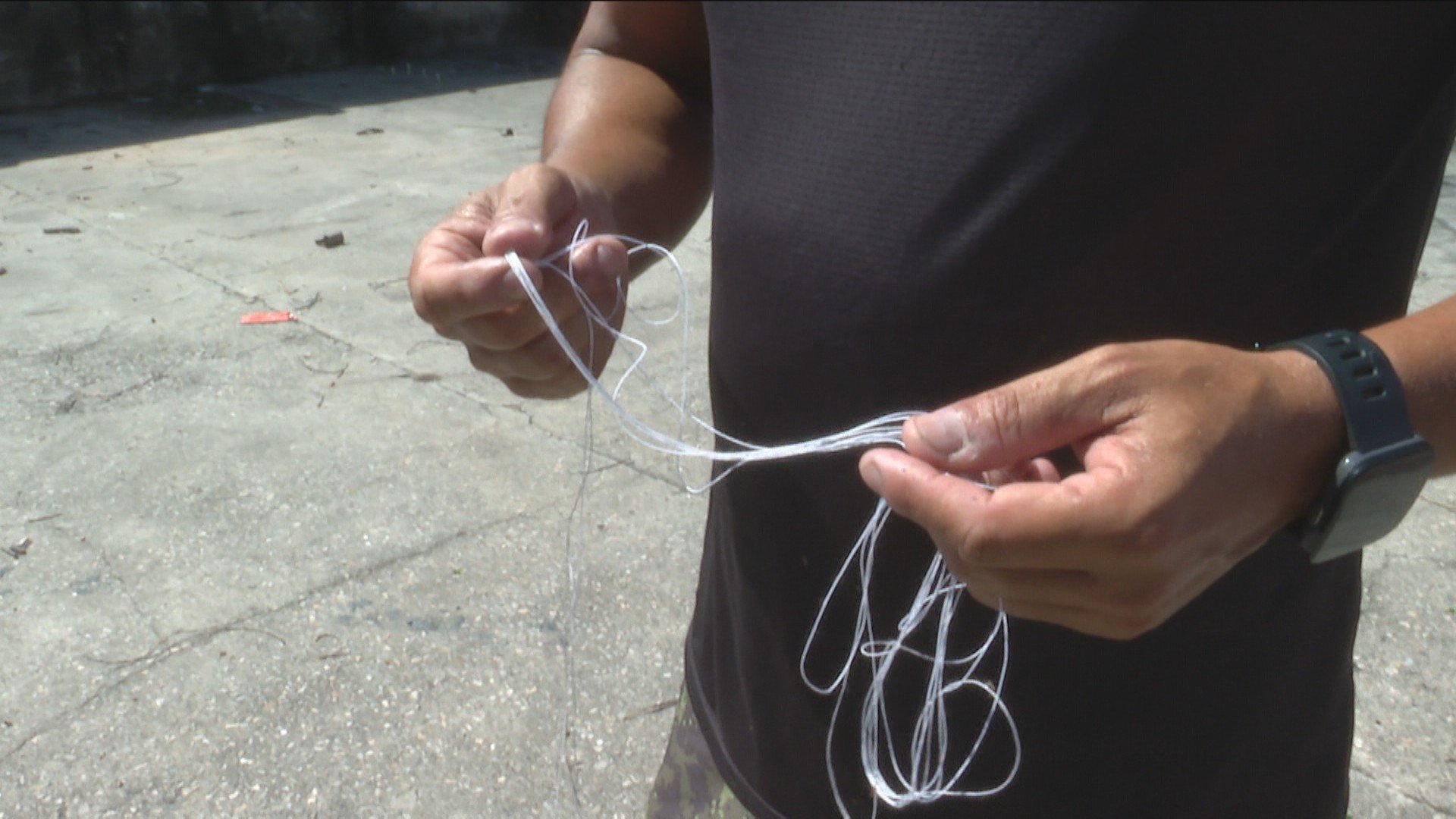
A motorcyclist tragically died on Sunday night, August 2, after being struck in the neck by a "linha chilena" (a type of dangerous kite string) while riding on the Rio-Magé Highway (BR-116) in Saracuruna, Duque de Caxias. Witnesses reported that the victim was traveling towards Rio de Janeiro when the incident occurred. The motorcyclist was not using a protective antenna on his handlebars, resulting in a severe neck injury. This led to a loss of control of his motorcycle, causing him to fall onto the road. He passed away at the scene before medical assistance could arrive. A second individual was also injured and is in serious condition, having been transported by rescue teams to the Adão Pereira Nunes Municipal Hospital in Duque de Caxias. The accident took place around 6 PM at kilometer 147 of the BR-116, heading South. The "linha chilena" is described as more dangerous than "cerol" (another type of dangerous string) due to its composition of glue mixed with sharp particles, capable of causing severe injuries and fatalities. Data from the Linha Verde program indicates that over the past 13 years, there have been 5,765 alerts related to the use, manufacturing, and sale of "cerol" and "linha chilena" across Rio de Janeiro state. In 2026 alone, 554 reports were logged, with the city of Rio de Janeiro accounting for the majority of these incidents. The neighborhood of Piedade in the North Zone has the highest number of reported cases in the capital. The use, manufacturing, and sale of such cutting lines are illegal in Rio de Janeiro state.
The tragic death of a motorcyclist due to "linha chilena" highlights a persistent public safety issue in Rio de Janeiro. Despite being illegal and demonstrably dangerous, the proliferation of these cutting strings, evidenced by thousands of alerts over the years, suggests enforcement challenges. The material's composition, designed to inflict harm, raises questions about supply chain oversight and the effectiveness of current penalties. As urban environments become more congested and mixed-use, the potential for such incidents to cause severe harm or fatalities escalates. Future public health strategies might consider a multi-pronged approach, combining stricter enforcement with public awareness campaigns and exploring technological solutions to detect or deter the use of these hazardous materials, particularly in high-traffic areas.
AI-generated to prompt reflection — not editorial opinion, not advice, not a statement of fact. How this works.
