Motorcyclist Dies After Head-On Collision with Pickup Truck on LMG-626
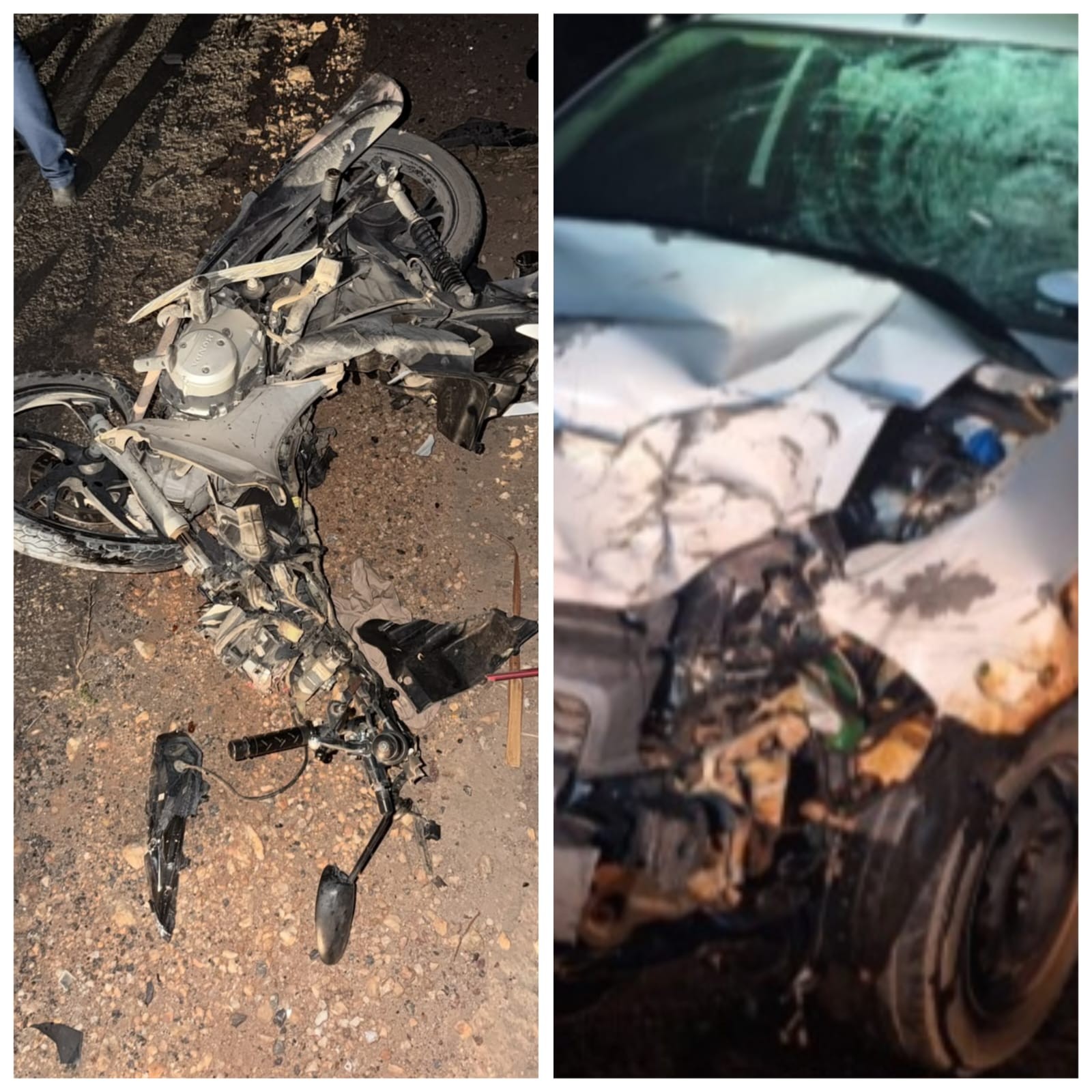
A 24-year-old motorcyclist, identified as Katiely Lopes de Souza, tragically died on Thursday night, November 30th, following a head-on collision with a pickup truck on the LMG-626 highway in Taiobeiras. According to the Military Police, a witness traveling behind the victim stated that the pickup truck, which was heading towards Taiobeiras from Curral de Dentro, veered into the oncoming lane and struck the motorcycle. The witness narrowly avoided being hit themselves. The 73-year-old driver of the pickup truck told police he lost control of his vehicle after being startled by the two approaching motorcycles, causing him to enter the wrong lane. Souza sustained severe head trauma and was pronounced dead at the scene by Samu paramedics. The pickup truck driver suffered minor abrasions and was transported to Taiobeiras Hospital. Police confirmed the driver's license was expired, but an alcohol test registered no presence of alcohol. Civil Police conducted an investigation at the scene before releasing the victim's body to a local funeral home.
This incident highlights the critical importance of driver attention and adherence to traffic laws, particularly concerning lane discipline and valid licensing. The driver's stated reason for swerving—being startled—underscores the potential for sudden, unexpected events to lead to catastrophic outcomes. The expired license suggests potential systemic issues in driver compliance and enforcement. In the context of evolving transportation technologies, such as advanced driver-assistance systems (ADAS) and autonomous driving, this event serves as a stark reminder of the continued vulnerability of human-operated vehicles and the need for robust safety protocols. Future road safety strategies must consider not only technological advancements but also the persistent human factors that contribute to accidents, ensuring that infrastructure and regulations evolve to mitigate these risks effectively.
AI-generated to prompt reflection — not editorial opinion, not advice, not a statement of fact. How this works.