Motorcyclist Dies After Neck Cut by Kite String with Ground Glass in Brazil
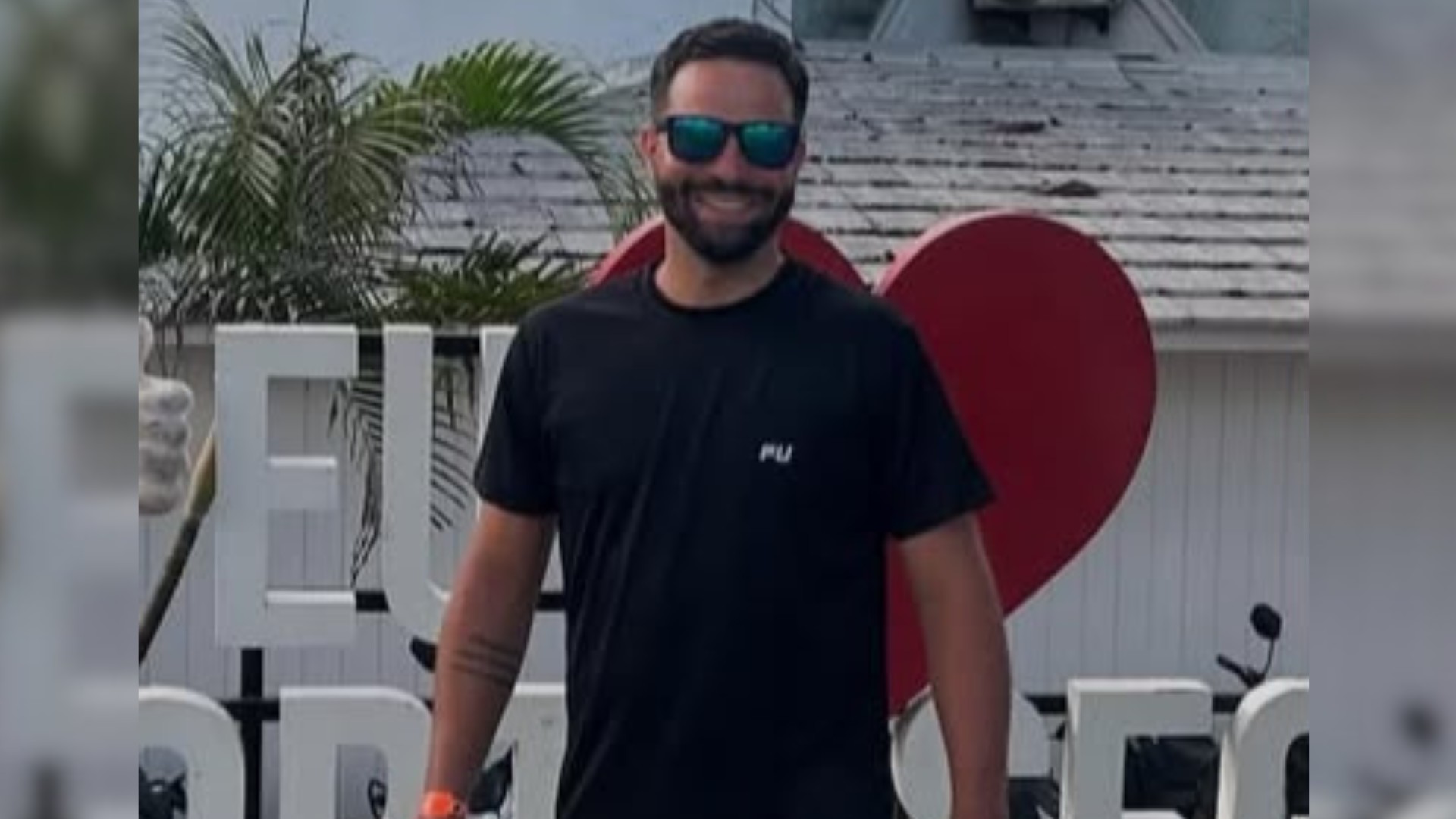
A 33-year-old mechanic, André Luis Barbosa Leite, died tragically in Catanduva, São Paulo, Brazil, after his neck was struck by a kite string coated with 'cerol'—a mixture of glue and ground glass—while he was riding his motorcycle. The incident occurred on Thursday afternoon, October 30th, on the Comendador Pedro Monteleone Highway (SP-351) as Leite was returning home from work. He sustained a severe neck injury and passed away at the scene. Police were called but found no witnesses or individuals responsible for flying the kite, nor was the cutting line recovered. Leite was married and a father to one son, and worked as a motorcycle mechanic. His wake was scheduled for Friday morning, October 31st, with burial to follow at the Nossa Senhora de Fátima Cemetery in Catanduva. The use of cerol is prohibited in São Paulo state since 2019 due to the severe risk of accidents, particularly for motorcyclists, cyclists, and pedestrians. This marks the second such fatality in the northwest region of São Paulo in under a month; a similar incident on July 12th resulted in the death of informatics professor Fábio José Colombo in Santa Adélia. The Civil Police have requested forensic analysis of the site and a necropsy, and the case is being investigated as a homicide, though no arrests have been made.
This tragic event highlights the persistent public safety risks posed by the illegal use of cerol-coated kite strings, particularly for vulnerable road users like motorcyclists. Despite state-wide bans in São Paulo since 2019, enforcement challenges appear to persist, as evidenced by the lack of immediate witnesses or suspects. The investigation into homicide underscores the severity of the offense, but the systemic issue lies in the gap between legislation and effective prevention. Future efforts could focus on enhanced public awareness campaigns, stricter penalties for cerol production and use, and potentially technological solutions for detecting kite flying in high-risk areas. The recurring nature of these incidents suggests a need for a more robust, multi-faceted approach to mitigate such preventable tragedies in the coming years.
AI-generated to prompt reflection — not editorial opinion, not advice, not a statement of fact. How this works.