Motorcyclist Dies After Slipping and Being Hit by Bus in Serra, Brazil
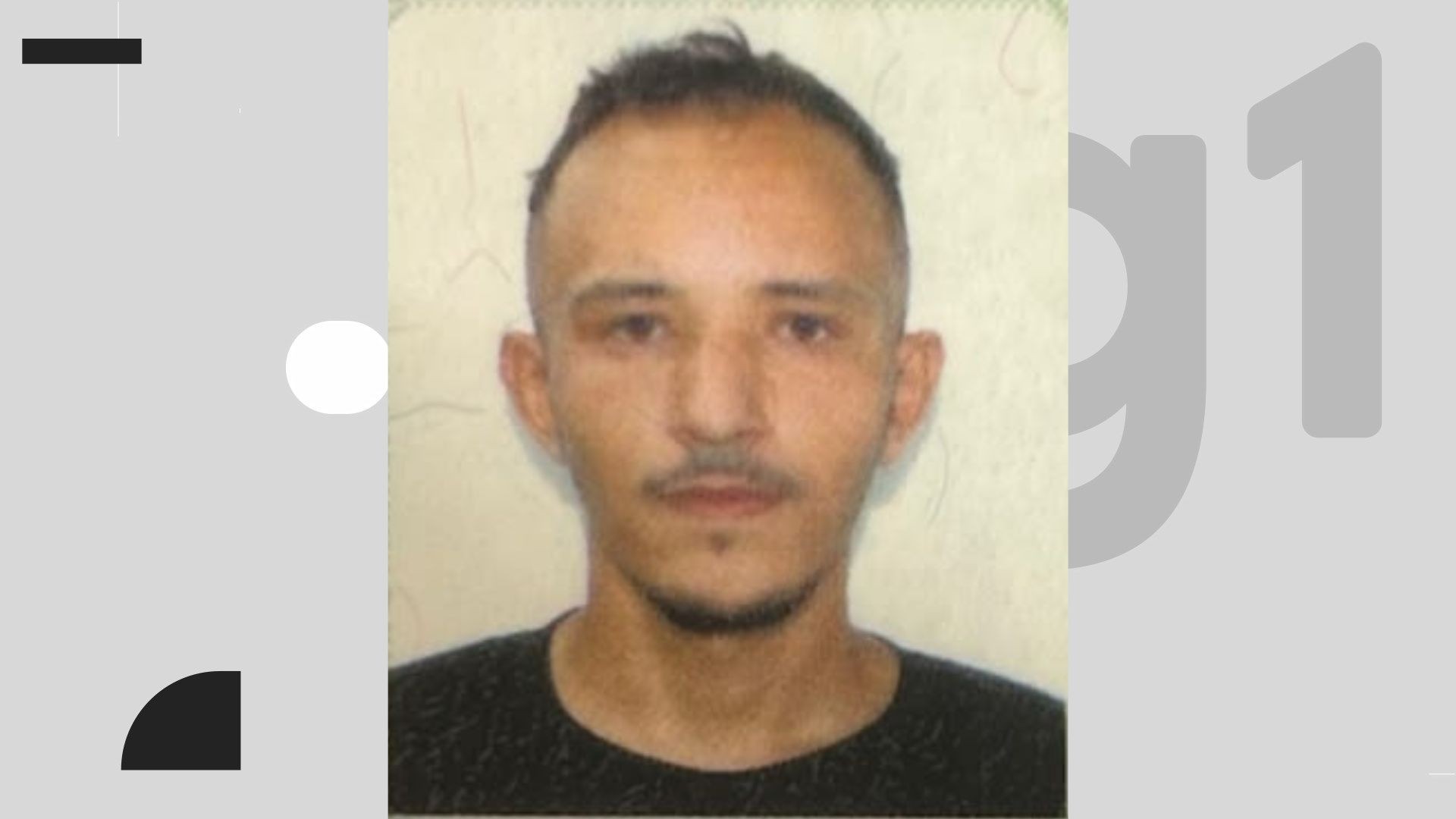
Lourival Carvalho Santos Junior, a 24-year-old delivery cyclist, tragically died on Saturday night, November 18th, in Serra, Espírito Santo, Brazil. He was struck by a Transcol bus on Avenida Mestre Álvaro, near the Carapina viaduct. Witnesses reported that Santos Junior slipped on his motorcycle, fell, and ended up beneath the bus. The bus driver stated he felt he had run over something and stopped to discover the motorcyclist on the road. Emergency services arrived but pronounced him dead at the scene.
Santos Junior worked as a delivery cyclist, delivering food during nighttime and early morning hours. His sister, Elisangela Vieira dos Santos, confirmed he was working at the time of the accident. Relatives were informed by other delivery cyclists about the incident. According to witnesses cited by the family, rain, an oil spill on the road, and ongoing road marking work may have contributed to the slip. An oil stain was visible on the road the following morning, with other motorcyclists suggesting it resulted from a prior accident. The family seeks clarification on the circumstances and accountability if negligence is found, emphasizing the need for better safety measures or lane closures during such work.
The bus driver underwent a breathalyzer test, which was negative, and provided a statement to the police. He was released according to Brazilian traffic law. The Civil Police's Specialized Traffic Offenses Division will investigate the incident. The Scientific Police conducted an on-site examination, and Santos Junior's body was taken to the Forensic Medical Institute. The Serra City Hall stated its traffic department was not called to the scene and did not respond to questions about the road marking work. The GVBus, representing metropolitan transport companies, had not commented at the time of reporting.
This incident highlights the critical intersection of urban infrastructure maintenance, traffic safety protocols, and the precarious working conditions of delivery personnel. The reported contributing factors—rain, oil spills, and active roadwork—suggest potential systemic failures in coordinating maintenance activities with ongoing traffic flow, particularly for vulnerable road users like motorcyclists. The investigation will likely scrutinize whether adequate safety measures were in place and communicated during the road marking operation. This event underscores the need for robust urban planning that proactively identifies and mitigates risks associated with road conditions and concurrent maintenance, especially in areas with high traffic density. The tragic outcome serves as a stark reminder of the importance of comprehensive risk assessment and management in public works to prevent future accidents and ensure the safety of all citizens, particularly those engaged in essential but often high-risk service occupations.
AI-generated to prompt reflection — not editorial opinion, not advice, not a statement of fact. How this works.