Motorcyclist Dies in Accident on MGC-154 in Cachoeira Dourada
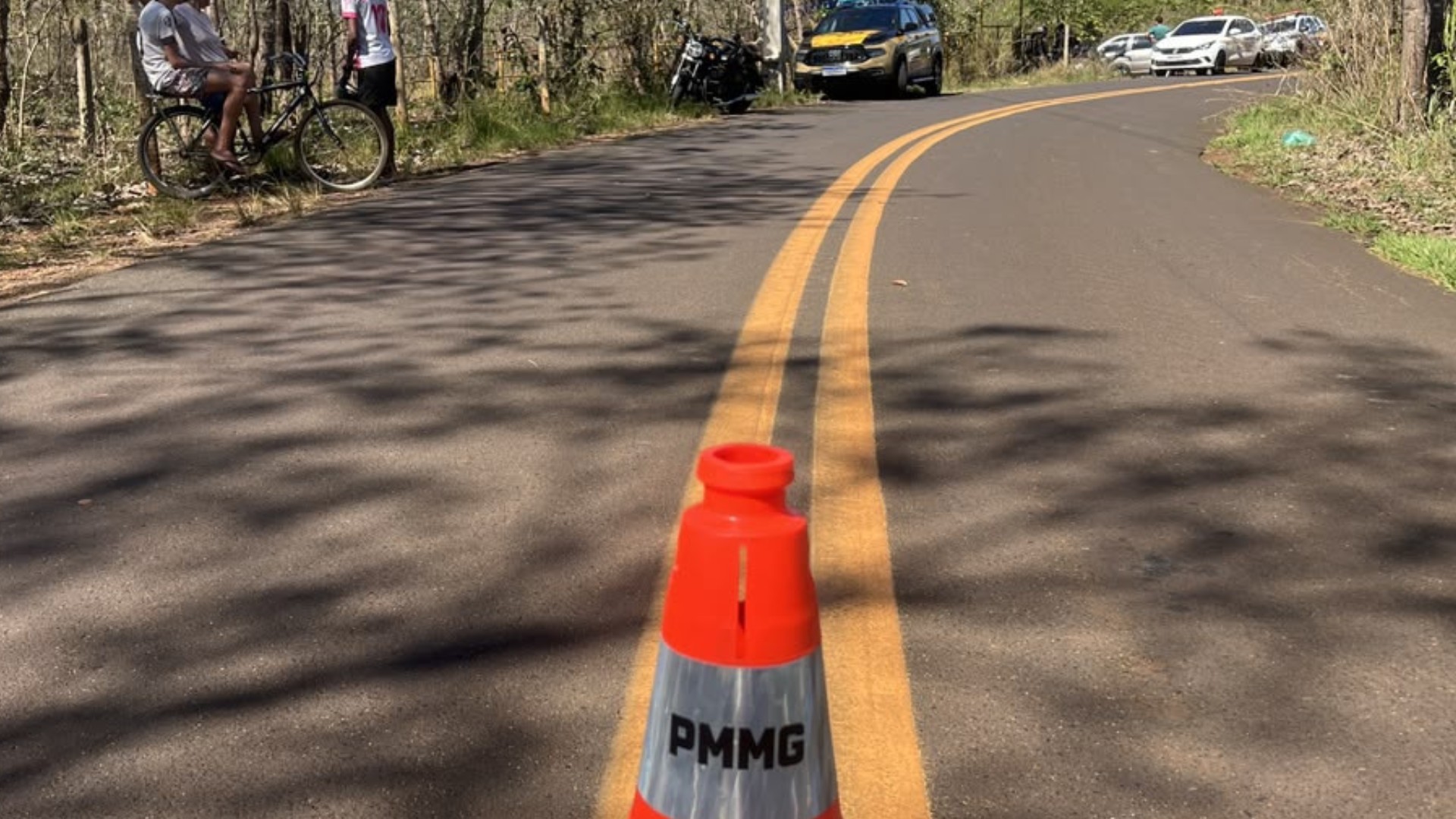
A motorcyclist tragically died following an accident on the MGC-154 highway in Cachoeira Dourada, located in the Triângulo Mineiro region of Brazil, on Saturday afternoon, May 18th. The accident occurred at kilometer 2 of the highway, on the stretch between Balsa and Cachoeira Dourada, according to the Military Highway Police (PMRv). Upon arrival, authorities found the motorcycle down on the highway's right-of-way with the rider beside it. A doctor from the Municipal Hospital of Cachoeira Dourada pronounced the victim dead at the scene after providing initial aid. Fellow motorcyclists traveling with the deceased stated they were on a group ride that began in Ituiutaba and was heading towards the Balsa area, near the border of Minas Gerais and Goiás. They noticed the rider was missing when they planned a meeting point in Cachoeira Dourada and subsequently returned along the highway to find him. The PMRv reported no evidence of another vehicle's involvement or eyewitnesses to the crash. While the incident initially appears to be a single-vehicle accident, the Civil Police's forensic investigation will determine the definitive cause. The body was released to a funeral home after the forensic examination, and the motorcycle was given to the victim's family. Traffic was managed and eventually cleared after the vehicle was removed.
This incident highlights the inherent risks associated with motorcycle travel, particularly on rural highways. The absence of evidence pointing to a third-party involvement suggests a potential loss of control by the rider, possibly due to factors such as road conditions, speed, or a medical event. The ongoing forensic investigation aims to clarify the precise cause, which is crucial for understanding accident dynamics and potentially informing future safety measures. From a systemic perspective, such events underscore the importance of continuous road safety education for all vehicle operators and the need for well-maintained infrastructure that accounts for various traffic participants. The analysis of such accidents can contribute to broader public health strategies aimed at reducing road fatalities through improved prevention and emergency response protocols.
AI-generated to prompt reflection — not editorial opinion, not advice, not a statement of fact. How this works.