Motorcyclist Dies in Head-On Collision on BR-356; Weekend Sees Multiple Fatal Accidents
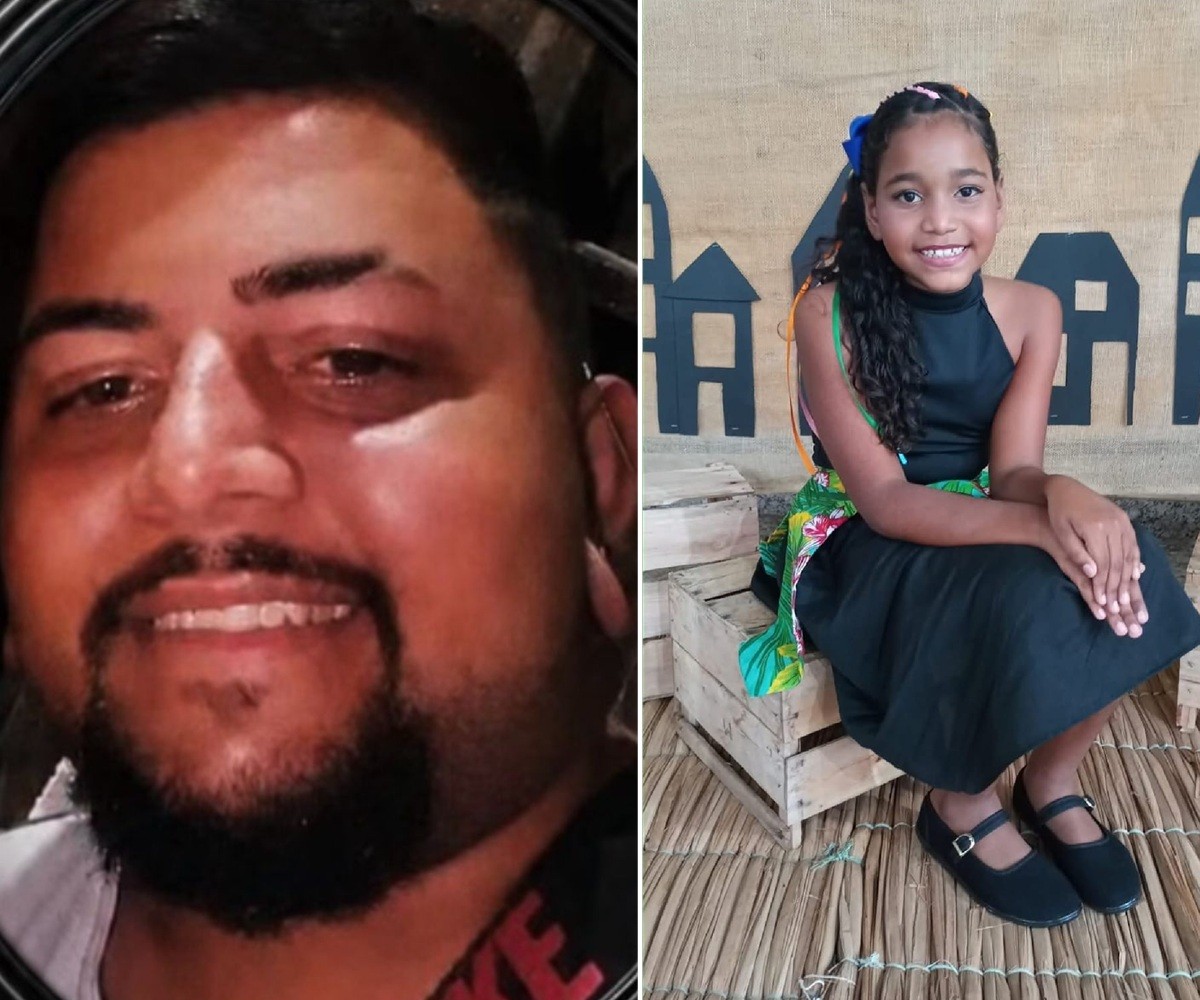
A 27-year-old motorcyclist, Lucas da Silva Higino, was killed on Saturday night, November 4th, when his motorcycle was struck by a car traveling the wrong way on BR-356 in Campos dos Goytacazes, Northern Fluminense. According to the Civil Police, the driver of the car was intoxicated and speeding. The collision occurred at km 147 of the highway, on Avenida Presidente Kennedy, near the Jóquei neighborhood. The impact propelled Higino's motorcycle into another vehicle, which could not avoid the collision. Emergency services responded, but the motorcyclist died at the scene. The driver of the car was arrested for drunk driving and driving with a suspended license; witnesses reported finding alcohol bottles in his vehicle. He sustained minor injuries, received medical attention at Hospital Ferreira Machado, and is now in custody. This incident was one of several fatal accidents on regional highways over the weekend. On Sunday morning, November 5th, another accident on BR-356, between Campos and Itaperuna, resulted in the deaths of a father and his 11-year-old daughter. They were returning to Italva when their car was involved in a collision. The daughter was taken to the hospital but died from her injuries, while the father died at the scene. A third driver involved in this accident also died and was found burned. Additionally, on Sunday, a motorcyclist died in an accident at km 50 of BR-101 in Campos. The Federal Highway Police and Civil Police are investigating these incidents and emphasize the importance of traffic law adherence to reduce road fatalities.
This series of fatal traffic accidents underscores critical issues in regional road safety, particularly concerning impaired and reckless driving. The incidents highlight the severe consequences of operating vehicles under the influence of alcohol and with suspended licenses, as demonstrated by the driver in the initial fatality. The recurrence of deadly crashes on the same highway within a short period suggests potential systemic challenges, possibly related to road infrastructure, enforcement levels, or prevailing driving culture. Addressing these events requires a multi-faceted approach, focusing on stricter enforcement of DUI laws, enhanced public awareness campaigns about the dangers of impaired driving, and potentially infrastructure improvements on high-risk road segments. Examining the effectiveness of current penalties and rehabilitation programs for repeat offenders may also be crucial in preventing future tragedies and fostering a culture of responsible driving.
AI-generated to prompt reflection — not editorial opinion, not advice, not a statement of fact. How this works.