Motorcyclist Dies in High-Speed Chase of Stolen Car in Southern Brazil
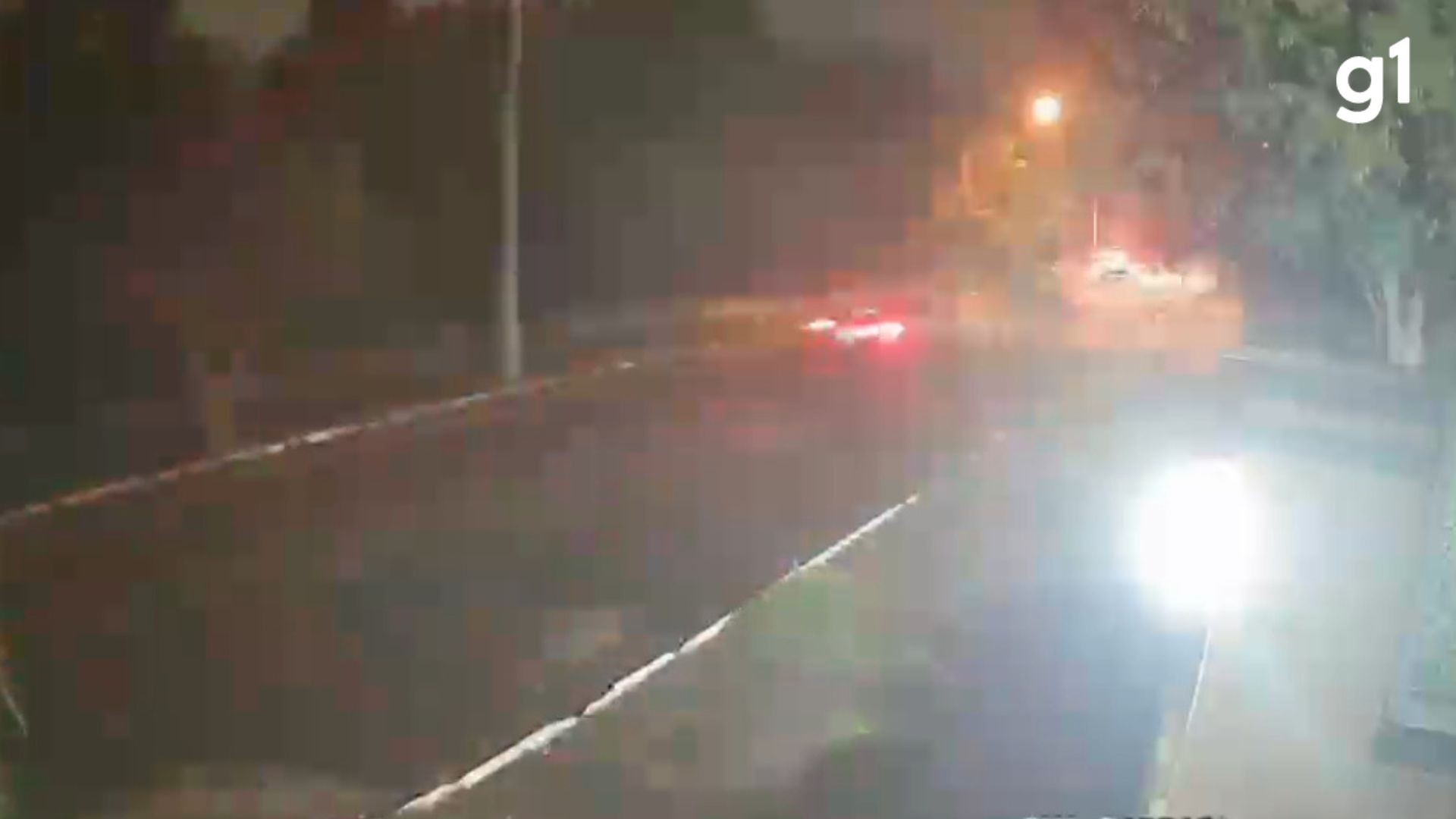
A 24-year-old delivery motorcyclist, Leonardo Ayres Machado, was killed in Novo Hamburgo, in Brazil's Rio Grande do Sul (RS) metropolitan region, after being struck by a fleeing stolen car on Sunday night, November 26th. Surveillance footage captured the fatal collision at the intersection of Magalhães Calvet and 24 de Maio streets in the city's central area. The vehicle, pursued by the Municipal Guard of São Leopoldo, was carrying a rideshare driver who had been held hostage and the perpetrator of the robbery. The incident began in São Leopoldo when two individuals ordered a rideshare. Upon arrival, the 43-year-old driver was robbed and held captive for approximately two hours. After the driver's family alerted authorities, the Municipal Guard initiated a pursuit that spanned from São Leopoldo to Novo Hamburgo. During the escape attempt, the suspect driving the stolen car ran a red light and hit Machado, who was on his motorcycle. Machado was transported to the Municipal Hospital but succumbed to his injuries. The rideshare driver sustained injuries and was receiving medical attention. The suspect, who was also injured in the collision, was apprehended, received medical treatment, and subsequently taken to the Police Station for immediate attendance.
This tragic event highlights the complex interplay between urban crime, law enforcement pursuit protocols, and public safety. The high-speed chase, initiated to apprehend a suspect involved in a robbery and hostage situation, inadvertently led to the death of an innocent civilian. This raises critical questions about the risk assessment involved in such pursuits, particularly in densely populated urban environments. Future considerations may involve evaluating the effectiveness of de-escalation tactics and advanced tracking technologies as alternatives to prolonged vehicle chases. The incident underscores the persistent challenge of balancing the imperative to apprehend criminals with the paramount need to protect the lives of uninvolved citizens, a dynamic that will continue to evolve with advancements in both policing and urban planning.
AI-generated to prompt reflection — not editorial opinion, not advice, not a statement of fact. How this works.