Motorcyclist Dies in Two-Bike Collision in Uberlândia
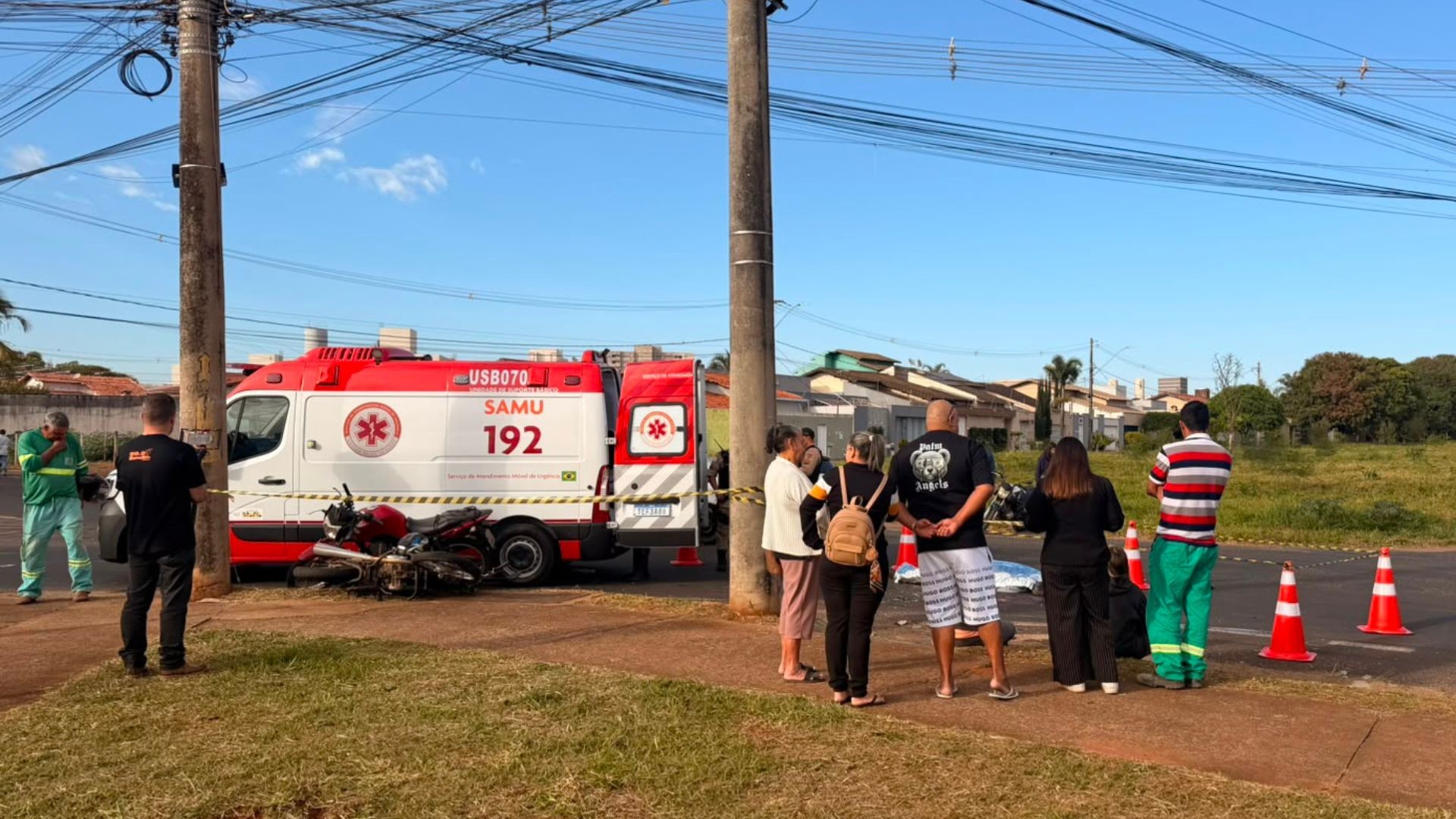
A 59-year-old man died and another was seriously injured on Friday, May 24th, following a collision between two motorcycles on Diamante Street in the Jardim Europa neighborhood of Uberlândia. The deceased was operating one of the motorcycles with his wife as a passenger. The wife was reportedly taken home in shock after the incident and later sought medical evaluation at an Integrated Care Unit (UAI). The rider of the second motorcycle, a 45-year-old man, was transported by the Mobile Emergency Care Service (Samu) to the University Hospital of the Federal University of Uberlândia (HC-UFU) in critical condition. The passenger accompanying him was also hospitalized, though his condition was not disclosed. Preliminary investigations by the Military Police suggest the accident may have resulted from a sudden lane change. Security camera footage indicated that neither motorcycle was traveling at high speed. Sergeant William de Souza informed TV Integração that the images suggest one motorcyclist turned left in front of the other, causing the crash, with both vehicles reportedly moving at a moderate speed. The police confirmed that the documentation for both motorcycles was in order.
This incident highlights the inherent risks associated with motorcycle travel, particularly in urban environments where unexpected maneuvers can lead to severe consequences. The investigation points to a potential lapse in driver attention and a sudden lane change as the primary cause, underscoring the critical importance of defensive riding and adherence to traffic regulations. While the vehicles were reportedly not speeding, the dynamics of a two-vehicle collision at even moderate speeds can be devastating. Future urban planning and traffic management strategies could consider enhanced safety measures for motorcyclists, such as dedicated lanes or improved intersection designs, to mitigate the impact of such events. The focus on documentation being in order suggests a systemic issue of driver behavior rather than mechanical or legal compliance failure.
AI-generated to prompt reflection — not editorial opinion, not advice, not a statement of fact. How this works.