Motorcyclist Fatalities in Presidente Prudente Region Reach Record High in 2026
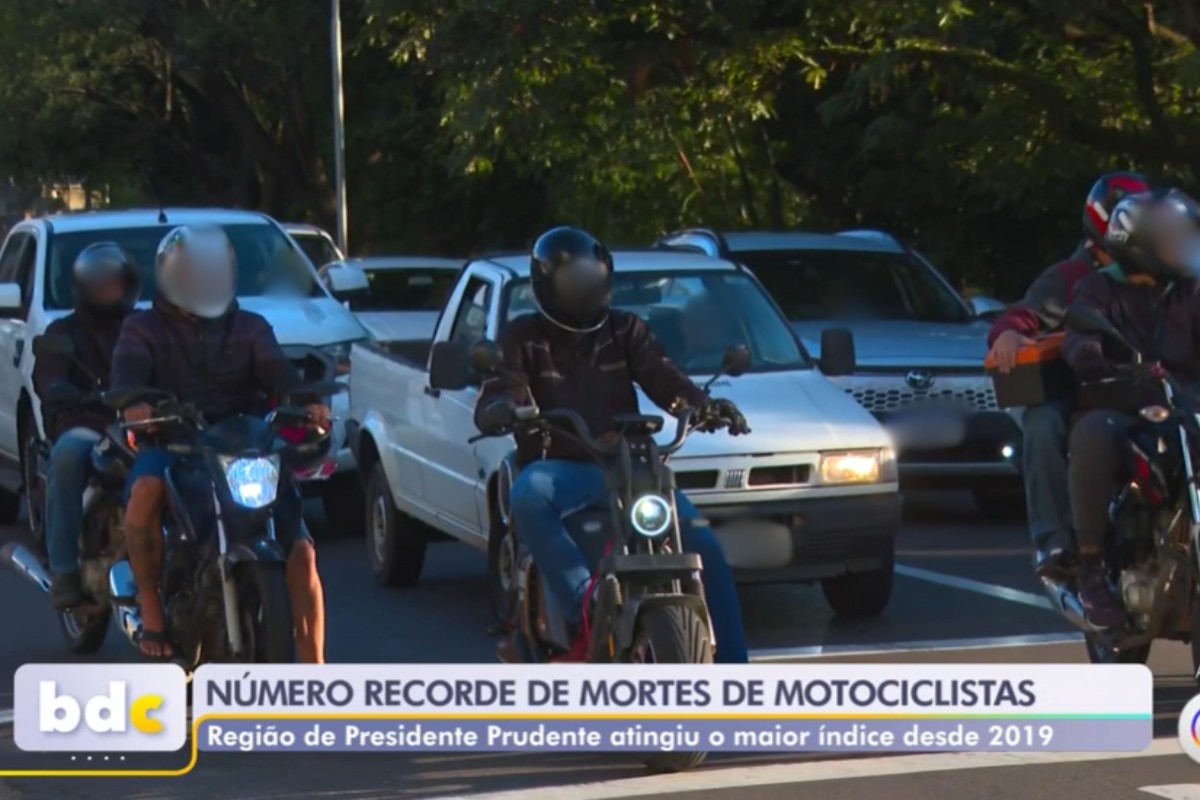
The Presidente Prudente region in São Paulo, Brazil, has recorded the highest number of motorcyclist fatalities since 2019, with 33 deaths in the first half of 2026. This figure is only two less than the historical record of 35 deaths set in 2019. Compared to the first semester of 2025, there was a 35% increase in fatalities, rising from 25 to 33. This represents a 94% increase from 2020, which had the lowest number of deaths at 17. Data from Infosiga indicates a continuous rise in motorcyclist deaths in the region since 2023, reaching a seven-year peak in 2026. This trend highlights the vulnerability of motorcyclists and underscores the need for enhanced enforcement, education, and accident prevention measures. Other areas in São Paulo's interior also show variations, with Bauru reporting 42 deaths in the first half of 2026, São José do Rio Preto seeing a decrease to 43, and Sorocaba exceeding 100 deaths. The municipality of Presidente Prudente has acknowledged that motorcyclists constitute the majority of fatal traffic accident victims and has called for continuous measures to reverse this trend. The region's motorcycle fleet has also grown, with an increase of 1,528 motorcycles in the last two years, reaching 40,596 by June 2026. Specific incidents include the death of a 25-year-old former football player after losing control of his scooter and hitting a pole, a 33-year-old woman dying after colliding with a tree, and a 26-year-old motorcyclist killed in a collision with a car on a highway. In Dracena, two drivers were indicted for their involvement in a street race that resulted in the death of a 22-year-old motorcyclist in December 2025, with speeds significantly exceeding the legal limit.
The surge in motorcyclist fatalities in the Presidente Prudente region, reaching a seven-year high in 2026, reflects a critical public safety challenge. While the increase in motorcycle ownership is a contributing factor, the data suggests systemic issues beyond fleet growth. The stark contrast in fatality rates across different cities within São Paulo's interior, alongside specific incidents involving excessive speed and potentially reckless driving, points to the need for a multifaceted approach. This includes not only enhanced enforcement and public awareness campaigns, as suggested by the Senatran guidelines, but also a deeper examination of urban planning and traffic management strategies. The continued vulnerability of motorcyclists necessitates a comprehensive review of road infrastructure, speed limit enforcement, and the efficacy of existing safety initiatives like exclusive stopping lanes at traffic lights. Future interventions should consider leveraging data analytics to identify high-risk areas and times, and potentially exploring technological solutions to mitigate risks associated with speed and visibility.
AI-generated to prompt reflection — not editorial opinion, not advice, not a statement of fact. How this works.