Motorcyclist Fatalities Surge 17.9% in Baixada Santista During First Half of 2026
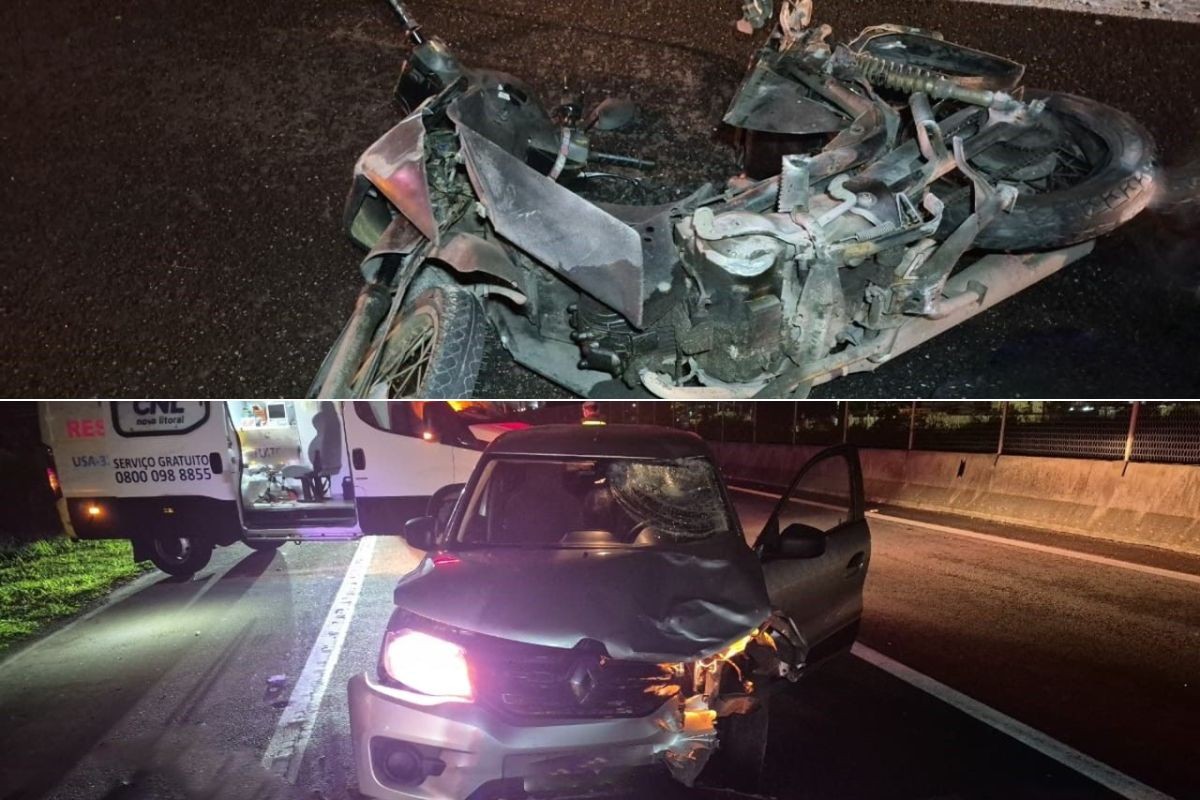
The Baixada Santista region in Brazil recorded a significant increase in traffic fatalities during the first half of 2026, with a total of 139 deaths, a 2.2% rise compared to the previous year. Motorcyclists bore the brunt of this increase, with 66 fatalities, marking a substantial 17.9% surge. Pedestrians also saw a rise, with 38 deaths (up 2.7%), and occupants of automobiles experienced an 18.2% increase, resulting in 13 deaths. Conversely, cyclist fatalities decreased by 22.2%, with 21 recorded deaths. The data, compiled by Infosiga from the São Paulo State Department of Traffic (Detran-SP), encompasses both highway and urban road accidents across the nine cities in the region. Mongaguá, Guarujá, and Bertioga reported the most severe increases in traffic deaths. Mongaguá's fatalities more than doubled, jumping from five to 11, a 120% increase. Guarujá saw a 66.7% rise, from 15 to 25 deaths, and Bertioga doubled its figures from four to eight. In contrast, Cubatão, Itanhaém, and Peruíbe experienced the most significant reductions. Itanhaém reduced fatalities by 38.5% (from 13 to eight), Peruíbe by 23.1% (from 13 to ten), and Cubatão by 17.6% (from 17 to 14). Focusing solely on June 2026, the region registered 20 traffic deaths, a slight increase from 19 in June 2025. São Vicente and Cubatão were key contributors to this monthly rise, with São Vicente's fatalities increasing by 300% (from one to four) and Cubatão by 200% (from one to three). Praia Grande and Santos, however, saw reductions in June, with Praia Grande halving its fatalities from four to two and Santos decreasing deaths by 40% from five to three.
The data from Baixada Santista highlights a concerning trend in traffic safety, particularly the disproportionate rise in motorcyclist fatalities. This surge, occurring despite overall traffic deaths showing a modest increase, suggests that specific risk factors impacting motorcyclists are escalating. Potential contributing factors could include increased motorcycle usage, infrastructure deficiencies, enforcement gaps, or changes in driver behavior. The varied outcomes across municipalities indicate that localized interventions and enforcement strategies may be more effective than a regional blanket approach. Examining the effectiveness of existing road safety campaigns and considering the integration of advanced safety technologies for motorcycles and vehicles could offer a forward-looking perspective. Understanding the root causes behind the increased vulnerability of motorcyclists is crucial for developing targeted policies to mitigate future risks in an increasingly motorized transport landscape.
AI-generated to prompt reflection — not editorial opinion, not advice, not a statement of fact. How this works.