Motorcyclist Fatally Shot by Police During São Paulo Traffic Stop
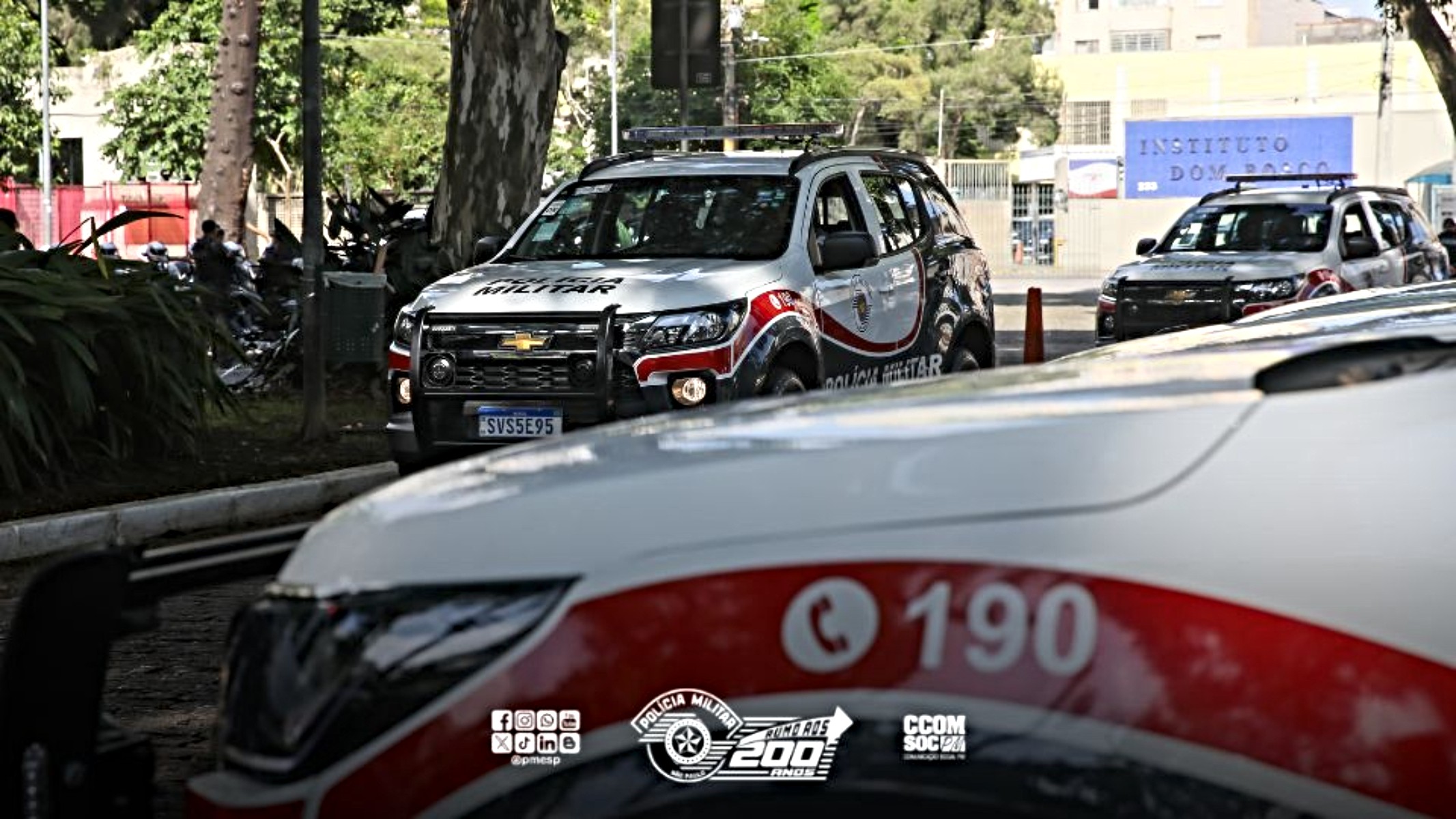
A 29-year-old motorcyclist, Guilherme Luis Ferreira Jesus, was fatally shot by military police officers during a traffic stop in Cidade Ademar, São Paulo's South Zone, on Thursday, May 30th. The Military Police stated that Jesus allegedly attempted to grab a weapon from one of the officers during the apprehension. The incident, which occurred around 2:48 PM, is being investigated by the State Department of Homicides and Personal Protection (DHPP) as a homicide resulting from resistance to police intervention. According to the police report, officers on motorcycles initiated the stop because Jesus was carrying a passenger without a helmet on his Honda CG 160 motorcycle. They claim Jesus did not comply with the order to stop and briefly fled, losing control of the motorcycle and falling. Police allege Jesus resisted arrest, requiring the use of force and pepper spray. The report further states that Jesus then attempted to remove a firearm from an officer's holster, prompting another officer to fire five shots. Jesus was transported to Municipal Hospital Dr. Arthur Ribeiro de Saboya, where he was pronounced dead from three gunshot wounds. Investigators later determined the motorcycle's license plate did not match the vehicle, and its original plate was linked to a robbery on July 8th in São Bernardo do Campo. The three officers involved have been identified as Soldiers Matheus Felipe Macedo Santana, Daniel de Moura da Silva, and Felipe Galvão Gianoni Caires Mastrângelo. The case was registered at the 98th Police District over five hours after the incident, and the DHPP has requested body camera footage from the officers.
This incident highlights the critical need for robust accountability mechanisms in police encounters, particularly in urban environments with high rates of traffic violations and potential for escalation. The official narrative emphasizes the motorcyclist's alleged resistance and attempt to disarm an officer, framing the shooting as a necessary response. However, the delayed reporting of the incident and the subsequent discovery of the motorcycle's stolen status introduce complexities that warrant thorough, independent investigation. Future analysis should focus on the proportionality of force used, the effectiveness of de-escalation training, and the impact of body camera technology not just for evidence collection, but for fostering transparency and trust between law enforcement and the communities they serve. Examining the systemic factors contributing to such confrontations, including socio-economic conditions and policing strategies, will be crucial for developing preventative measures.
AI-generated to prompt reflection — not editorial opinion, not advice, not a statement of fact. How this works.