Motorcyclist Unconscious After Crashing Into Pole in Várzea Grande
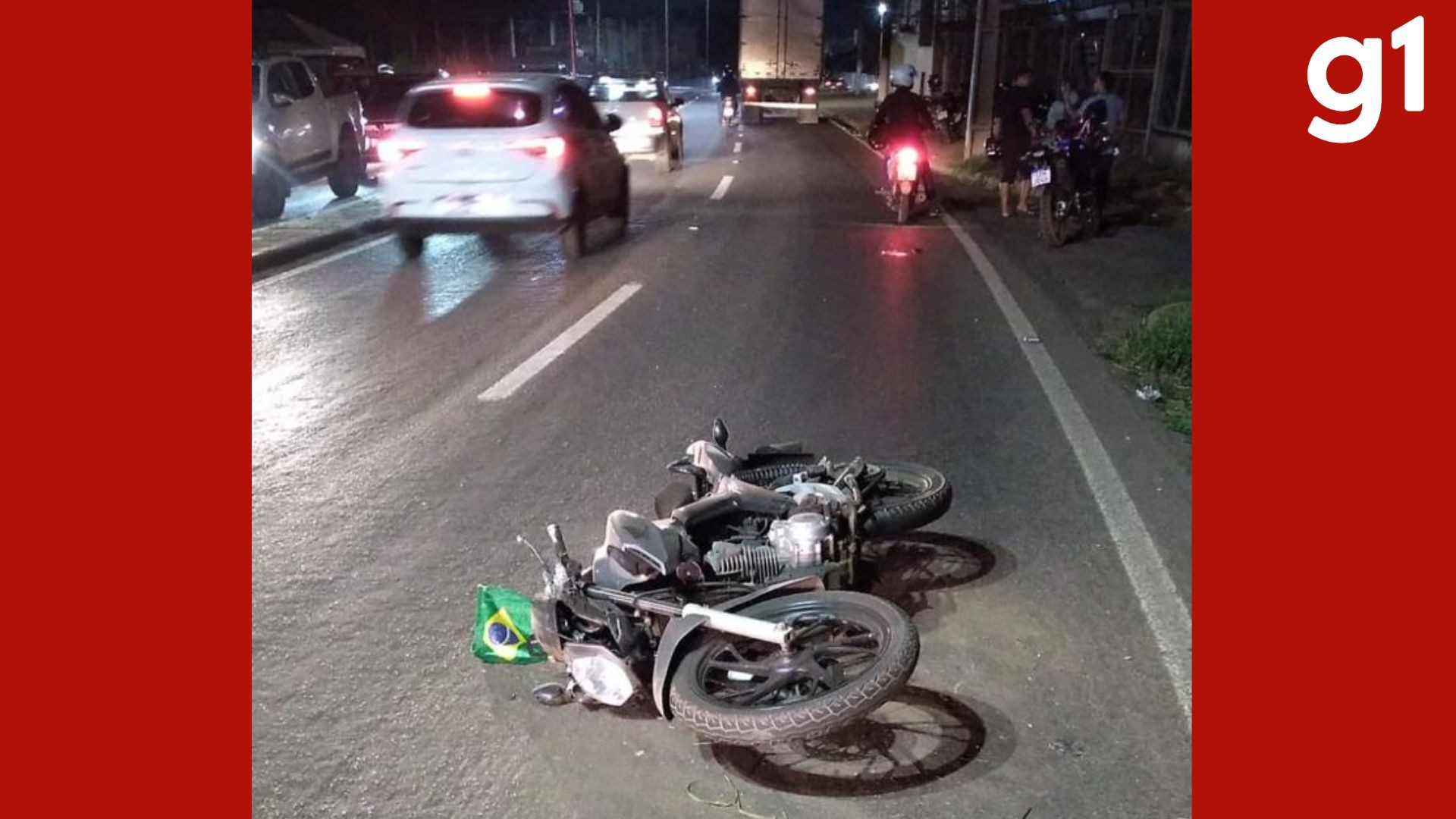
A motorcyclist was rendered unconscious after colliding with a public lighting pole on Ulisses Pompeu Avenue in Várzea Grande, Mato Grosso, on Thursday, May 16th. The incident occurred approximately 200 meters from a previous accident where a cement mixer truck also struck a pole. According to the Municipal Guard (GMVG), the unidentified motorcyclist was riding along the avenue, with the motorcycle touching the curb. A driver following behind reported that the motorcyclist then lost control, veered off the road, and hit the pole. No other vehicles were involved in the crash. Municipal Guard officers on patrol noticed a large dust cloud following the collision and found the motorcyclist fallen at the scene. They secured the area and managed traffic until emergency medical services arrived. The medical team provided initial treatment and transported the unconscious victim to the Várzea Grande Emergency Room. The motorcycle was found to be registered and regularized in a woman's name, but no contacts were available to locate someone to retrieve the vehicle. It was impounded and will be held for legal procedures. Authorities are investigating the circumstances of the accident.
This incident highlights the critical importance of road infrastructure maintenance and traffic safety enforcement. The proximity of two separate pole collisions within hours suggests potential systemic issues, such as inadequate road design, poor lighting, or excessive speed limits on this particular avenue. The investigation into the motorcyclist's loss of control will likely examine factors including road surface conditions, vehicle mechanical integrity, and driver behavior. Moving forward, authorities may consider implementing traffic calming measures, improving street lighting, and enhancing enforcement to prevent similar accidents. The presence of multiple pole impacts also raises questions about the resilience of urban infrastructure against traffic incidents and the need for protective barriers in high-risk zones.
AI-generated to prompt reflection — not editorial opinion, not advice, not a statement of fact. How this works.