Mount Etna Eruption Disrupts Catania Airport, Cancels Dozens of Flights
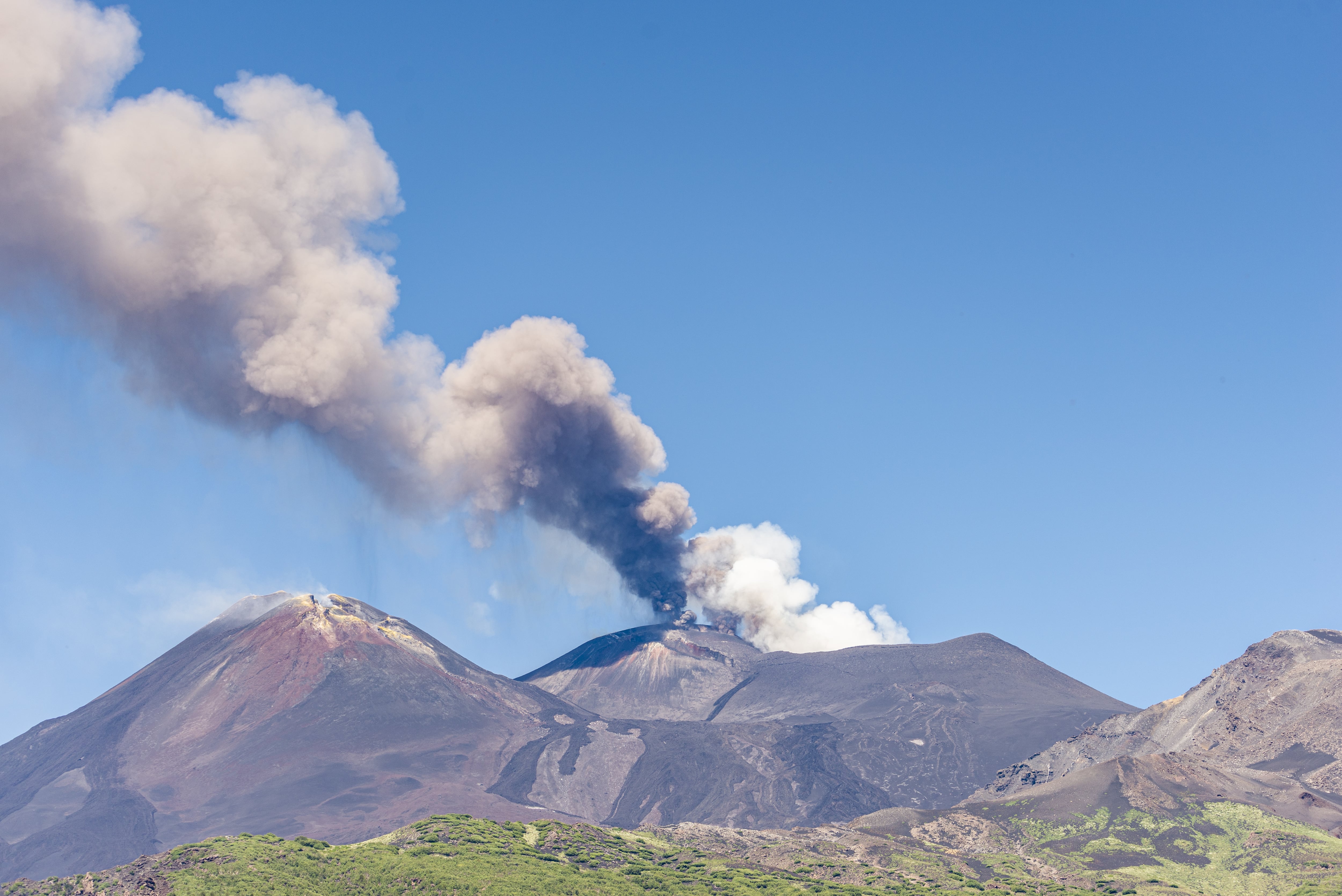
The eruption of Mount Etna in Sicily has caused significant disruption to air travel, forcing the closure of Catania Airport for a full day due to volcanic ash emissions. Dozens of flights were either canceled or diverted as a result of the event. The airport has since reopened after the ash cloud subsided. Mount Etna, one of the world's most active volcanoes, frequently experiences eruptions that can impact surrounding areas and air traffic. This latest event highlights the ongoing volcanic activity in the region and its potential to affect daily life and infrastructure. Authorities at Catania Airport worked to manage the situation and resume normal operations as quickly as possible following the ash dispersal. The cancellation and diversion of flights impacted numerous travelers, underscoring the volcano's influence on regional connectivity.
Volcanic activity near major transportation hubs like Catania Airport presents a recurring challenge. The incident underscores the need for robust contingency planning and real-time monitoring systems to mitigate the impact of natural phenomena on air travel. While eruptions are natural events, their economic and logistical consequences necessitate proactive strategies. Future considerations may involve developing advanced ash detection technologies and dynamic rerouting protocols to minimize passenger disruption and ensure operational resilience in the face of environmental unpredictability. The interplay between geological activity and globalized travel infrastructure remains a critical area for ongoing risk management and technological innovation.
AI-generated to prompt reflection — not editorial opinion, not advice, not a statement of fact. How this works.