Mount Etna Erupts, Spewing Ash Cloud Over Sicily, Disrupting Catania Flights
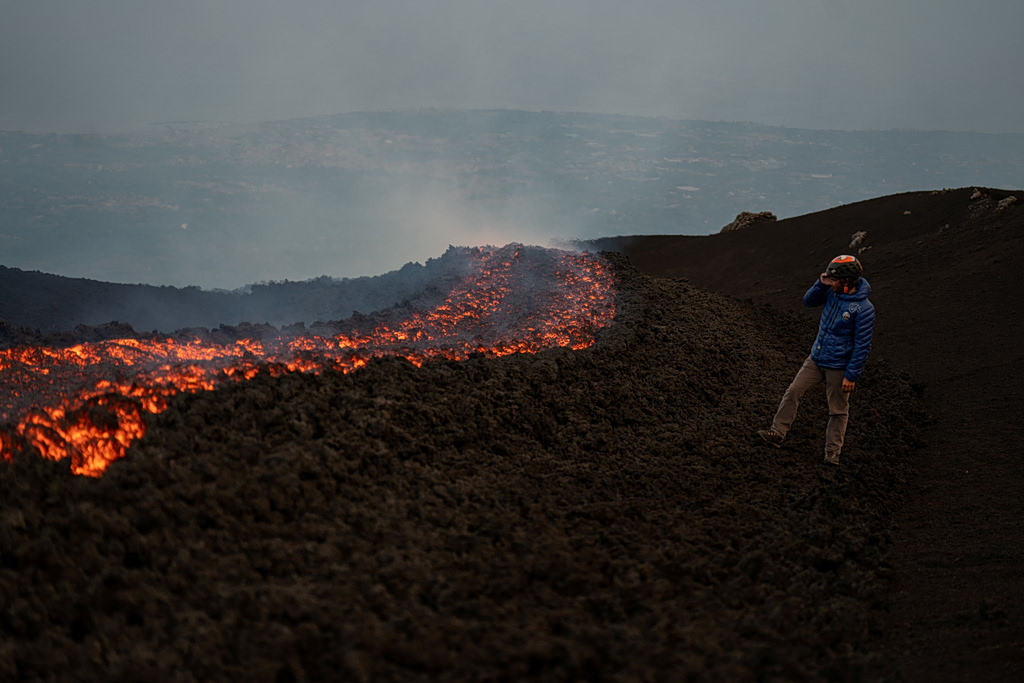
Mount Etna in Sicily has erupted again, beginning early Sunday morning. The National Institute of Geophysics and Volcanology of Italy (INGV) reported that volcanic ash emissions originated from a new opening at the summit of the volcano. This eruption has resulted in a significant ash cloud forming over the Sicilian region. Consequently, flight operations at the airport serving Catania have been impacted. Restrictions have been put in place for flights arriving at and departing from Catania.
The situation is being monitored by geological and meteorological authorities. Further updates on the ash cloud's dispersion and its impact on air travel are expected. The new opening at the summit indicates ongoing volcanic activity and potential for further emissions.
The recurring eruptions of Mount Etna highlight the dynamic geological processes inherent to volcanic regions. While ash clouds pose immediate logistical challenges, particularly for air travel and local communities, they also serve as a reminder of the powerful natural forces shaping the Earth's surface. Understanding the frequency and intensity of such events, informed by scientific monitoring, is crucial for developing resilient infrastructure and effective emergency response strategies. The long-term implications involve managing the interplay between human settlement and volcanic activity, considering both the risks and the potential benefits of living in such geologically active areas.
AI-generated to prompt reflection — not editorial opinion, not advice, not a statement of fact. How this works.