Mount Etna's Secret Origin: New Study Suggests Fourth Volcano Category
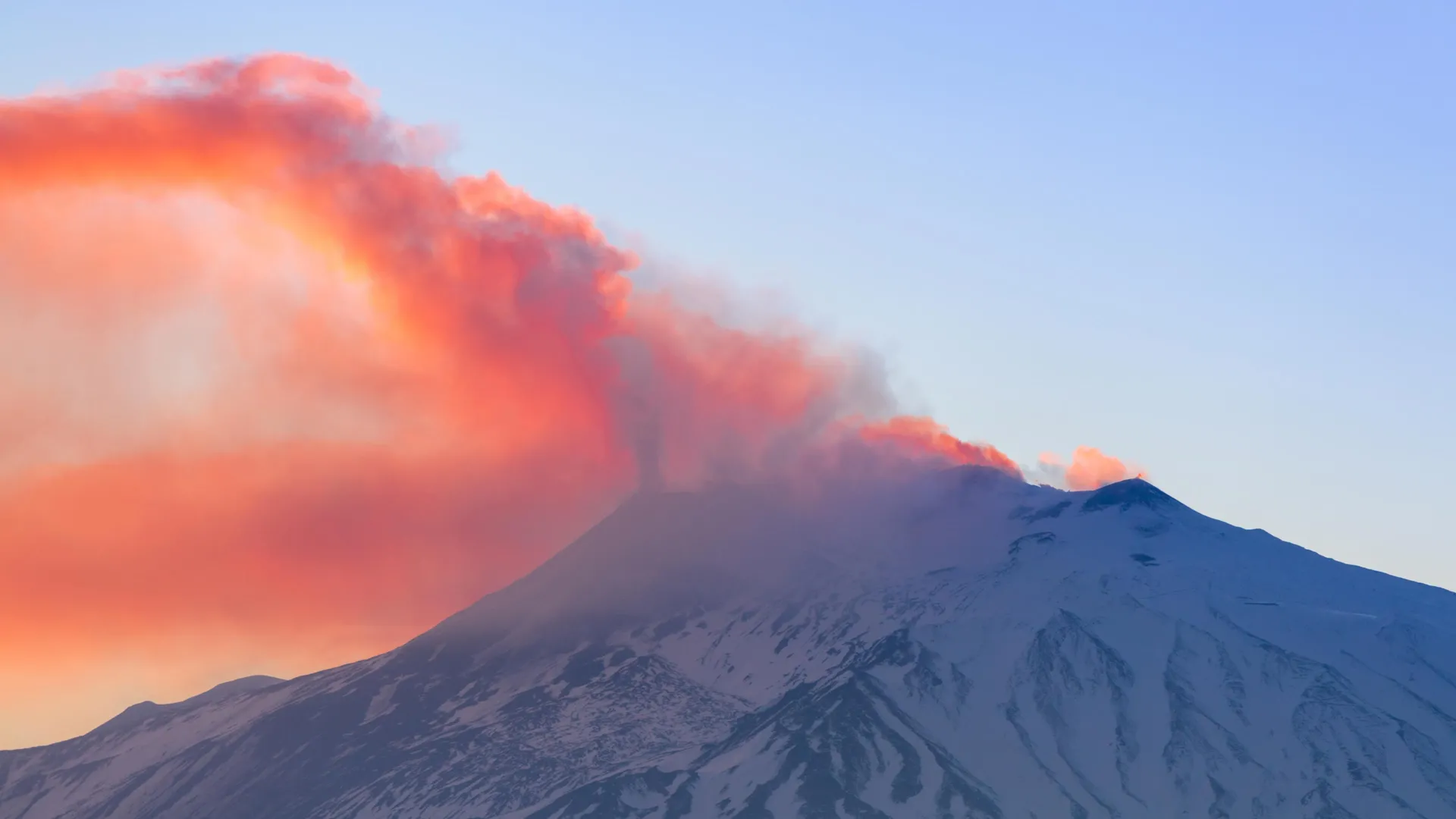
Europe's most active volcano, Mount Etna, has long presented a geological puzzle as it does not conform to the three established models of volcanic formation. A recent study proposes a novel theory suggesting that Etna might be fueled by ancient magma reservoirs. These reservoirs could be propelled upwards through fissures generated by the movement of tectonic plates. If this hypothesis is substantiated, Mount Etna could represent a distinct, fourth category of volcano. This potential classification implies that large terrestrial volcanoes can form via mechanisms previously thought to be exclusive to smaller, underwater eruptions. The findings could significantly broaden our understanding of volcanic processes and the potential for large-scale volcanic activity.
This research challenges established geological paradigms by proposing a new formation mechanism for Mount Etna, potentially creating a fourth category of volcano. Understanding such alternative pathways is crucial for refining seismic and volcanic hazard assessments globally. The study highlights how tectonic plate dynamics can influence deep-earth processes, suggesting that our models for magma generation and ascent may need reevaluation. Future research will likely focus on validating these findings and exploring whether similar processes are at play in other major volcanic regions, potentially revealing a broader, previously unrecognized class of volcanic systems.
AI-generated to prompt reflection — not editorial opinion, not advice, not a statement of fact. How this works.