Mount Olympus: From Ancient Myth to UNESCO World Heritage Site
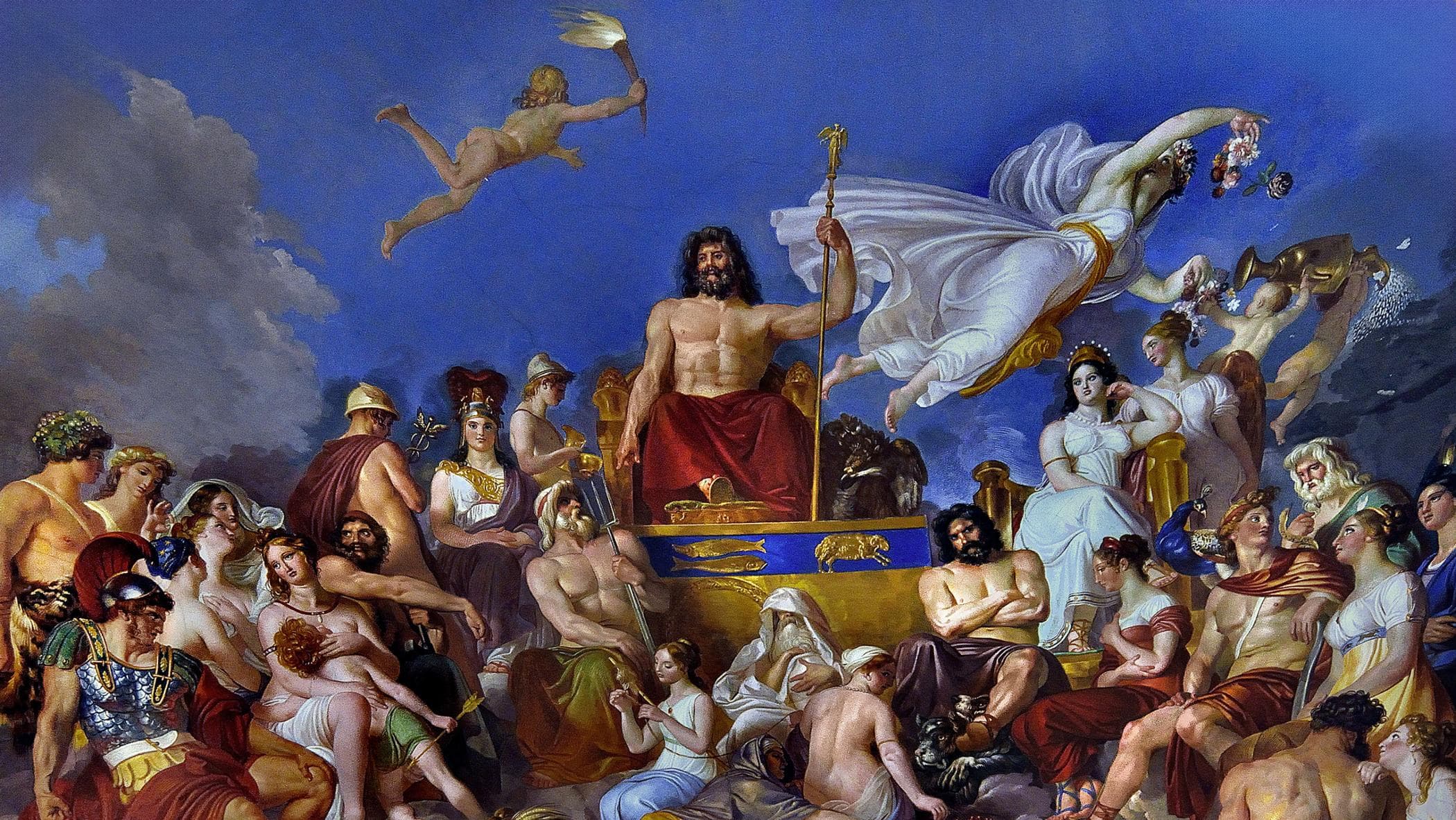
Mount Olympus, the legendary home of the Greek gods, is experiencing a surge in popularity, captivating the collective imagination. This resurgence is fueled by various cultural touchstones, including Christopher Nolan's "Olympus" film, popular books, and the "Percy Jackson" television series. The renewed interest highlights the enduring appeal of Greek mythology in contemporary society. Reflecting its cultural significance, Mount Olympus has now been recognized as a UNESCO World Heritage Site. This designation by the United Nations agency underscores the mountain's importance not only as a mythological site but also as a place of natural and cultural heritage. The protection afforded by UNESCO signifies a global acknowledgment of its value, ensuring its preservation for future generations. The phenomenon demonstrates a broader trend of mythology's re-emergence in popular culture.
The renewed global fascination with Mount Olympus and Greek mythology, amplified by modern media and its designation as a UNESCO World Heritage Site, signals a powerful cultural resonance. This trend suggests a human inclination to connect with foundational narratives and archetypes, particularly during periods of rapid societal change and technological advancement. The integration of ancient myths into contemporary entertainment, coupled with formal heritage recognition, highlights a dynamic interplay between cultural preservation and commercial adaptation. This phenomenon may indicate a growing desire for enduring stories and shared cultural touchstones in an increasingly fragmented world, prompting reflection on how such narratives shape collective identity and values across generations.
AI-generated to prompt reflection — not editorial opinion, not advice, not a statement of fact. How this works.