Mount Olympus Nominated for UNESCO World Heritage Status
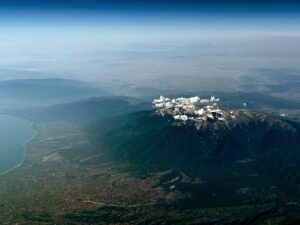
Mount Olympus, Greece's highest mountain and a significant site in ancient mythology, has been nominated for inscription on the UNESCO World Heritage List. The nomination recognizes its dual value as both a cultural and natural asset. The World Heritage Committee is scheduled to discuss the candidacy during its meeting in Busan, South Korea, which runs until July 29. This designation would mark a significant step in preserving the mountain's unique heritage. Ancient Greek mythology identifies Mount Olympus as the dwelling place of the gods, particularly Zeus. The contemporary Greek government is pursuing this nomination to highlight the mountain's profound historical and environmental importance. Inclusion on the UNESCO list would potentially boost tourism and international recognition for the site. It also underscores the global effort to protect sites of outstanding universal value. The decision by the committee will be a landmark moment for Greece and the preservation of its rich cultural and natural landscape.
The nomination of Mount Olympus for UNESCO World Heritage status highlights a growing global trend of recognizing and protecting sites that hold both immense cultural and ecological significance. This process often involves balancing increased tourism and economic benefits with the imperative of long-term conservation. For Greece, securing this designation could provide a vital boost to its heritage tourism sector, but it will also necessitate robust management strategies to mitigate potential environmental pressures. The decision by the World Heritage Committee will reflect an assessment of the site's universal value against established criteria, influencing future conservation efforts and potentially setting precedents for similar dual-heritage nominations worldwide. The coming decade will likely see increased focus on integrating climate change resilience and sustainable development principles into the management of such globally recognized natural and cultural landscapes.
AI-generated to prompt reflection — not editorial opinion, not advice, not a statement of fact. How this works.