Mountain Huts: Architect Discusses Challenges and Lessons for Lowlands
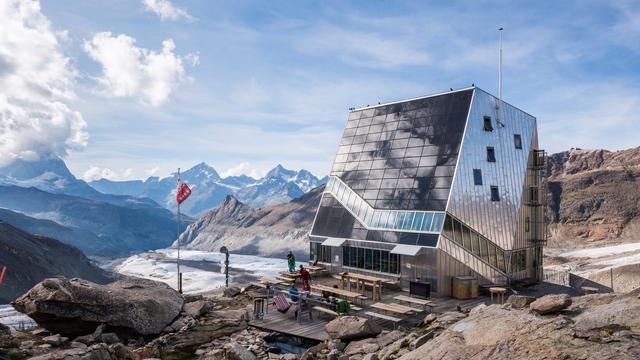
Architect Hanspeter Bürgi discusses the evolving challenges of building in mountainous regions, moving from traditional stone and wood construction to modern high-tech approaches. He explores the current state of mountain hut construction and considers what lessons can be learned from these projects for development in lowland areas. Bürgi's perspective highlights the unique environmental and logistical hurdles faced when constructing in such demanding terrains. The conversation delves into the sustainability and practicality of different building methods. It also touches upon the specific needs and functionalities required for mountain accommodations. Bürgi aims to bridge the gap between specialized mountain building practices and broader architectural and urban planning considerations. His insights offer a unique viewpoint on resource management and design innovation in extreme environments. The discussion implicitly raises questions about the future of construction in sensitive ecological zones.
The evolution of mountain hut construction, from basic materials to high-tech solutions, reflects broader trends in resource management and environmental adaptation. As climate change intensifies, the challenges faced in building on mountains—such as extreme weather, difficult access, and ecological sensitivity—will become increasingly relevant to lowland development. Architects and planners must consider the long-term sustainability and resilience of structures, balancing immediate needs with future environmental imperatives. The question of what amenities are truly necessary, as hinted by the original headline, prompts a critical examination of consumption patterns and the potential for simpler, more integrated living solutions. This perspective can inform future urban planning by emphasizing efficiency, durability, and a reduced ecological footprint.
AI-generated to prompt reflection — not editorial opinion, not advice, not a statement of fact. How this works.