Mourning Procession for Slain Leader Khamenei Held in Iraq
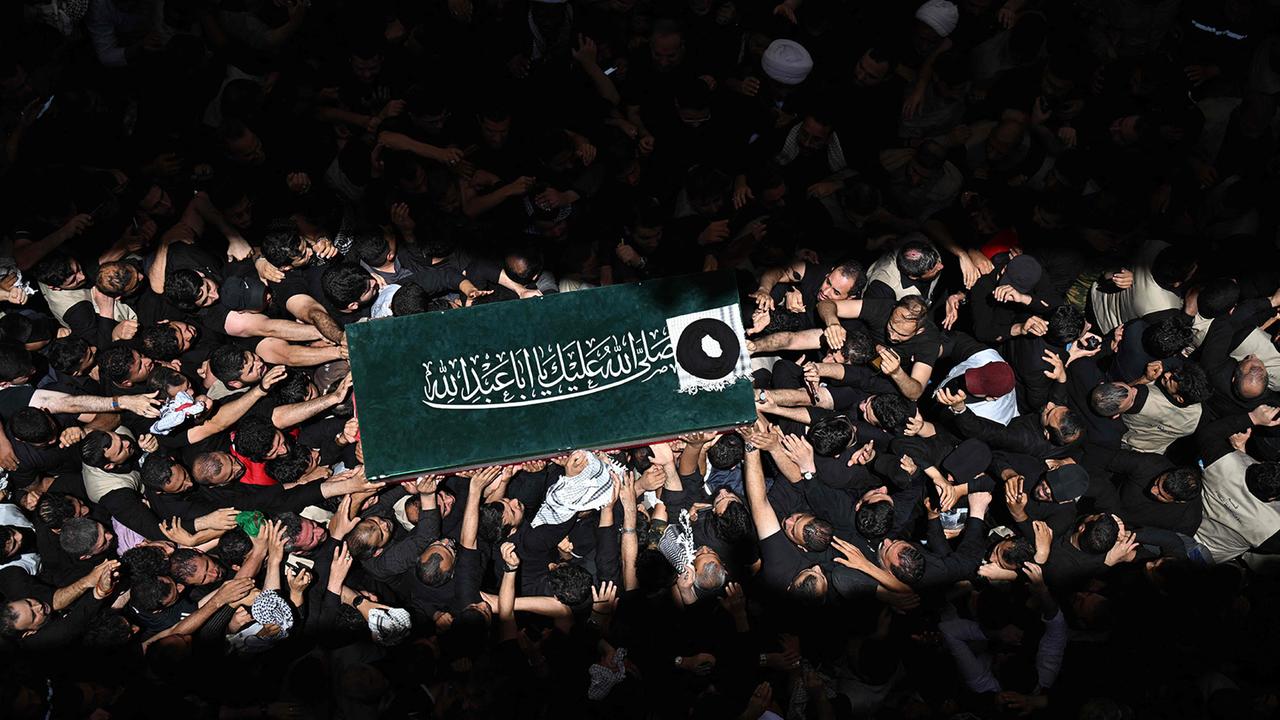
Days of mourning ceremonies for Iran's slain Supreme Leader Khamenei have extended to Iraq, with numerous people accompanying his coffin in the city of Najaf. The procession is also being interpreted as a demonstration of Iranian power. The event highlights the significant influence and reach of Iranian leadership, even in neighboring countries, and underscores the emotional and political impact of Khamenei's death within the region. The presence of many mourners signifies a strong connection between the Iranian leadership and segments of the Iraqi population or diaspora. This display of public grief and support serves to reinforce the political standing of the Iranian regime. The event in Najaf, a significant religious and cultural center, amplifies the symbolic importance of the mourning rituals. It also suggests a coordinated effort to manage the narrative and public perception surrounding Khamenei's death internationally. The procession in Najaf is a key moment in the ongoing national and international mourning period for the late leader.
The procession in Najaf, Iraq, for the deceased Iranian Supreme Leader Khamenei, serves as a powerful illustration of geopolitical influence and the mobilization of public sentiment. While framed as a mourning ritual, it also functions as a strategic display of Iranian soft power and regional connectivity. The event underscores the complex interdependencies between Iran and Iraq, particularly in the context of religious and political solidarity. Such public demonstrations can solidify domestic legitimacy for the Iranian regime while also signaling its enduring presence and influence to regional and international actors. The long-term implications involve assessing how these displays of power and grief shape future bilateral relations and regional stability in the coming decade.
AI-generated to prompt reflection — not editorial opinion, not advice, not a statement of fact. How this works.