Mouse Study Offers Clues to Early Childhood Memory Formation
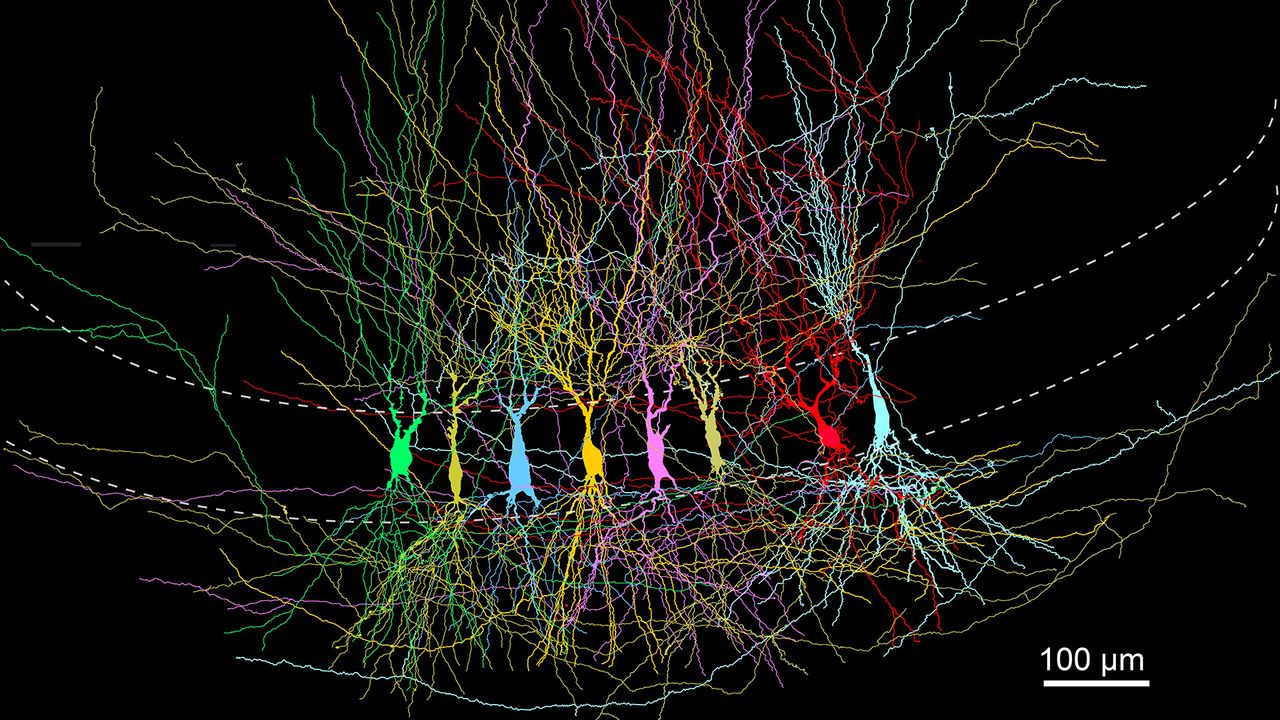
A recent study conducted on mice suggests a potential explanation for why humans have limited memories of their early childhood. Researchers observed that during the initial stages of development, the neural networks within the brain's memory center are extensively interconnected. As development progresses, these networks undergo a refinement process, becoming more specialized and precise systems. This ongoing refinement may contribute to the erasure or inaccessibility of early memories. The findings highlight the dynamic nature of brain development and its impact on memory encoding and retrieval. Understanding this process could shed light on the mechanisms underlying infantile amnesia. The study's focus on neural network connectivity and refinement offers a biological basis for the phenomenon.
This research offers a biological perspective on infantile amnesia, suggesting that the brain's developmental trajectory, specifically the refinement of neural networks, plays a crucial role in memory consolidation. The study's findings on the initial hyper-connectivity and subsequent specialization of memory centers in mice may offer a model for understanding similar processes in humans. Future research could explore how environmental factors and early experiences interact with these neurodevelopmental processes to shape long-term memory formation. Understanding these mechanisms could have implications for cognitive development and interventions aimed at supporting memory function throughout the lifespan.
AI-generated to prompt reflection — not editorial opinion, not advice, not a statement of fact. How this works.