Mouth Breathing During Sleep and Insufficient Chewing Linked to Worsening Dental Alignment in Schoolchildren
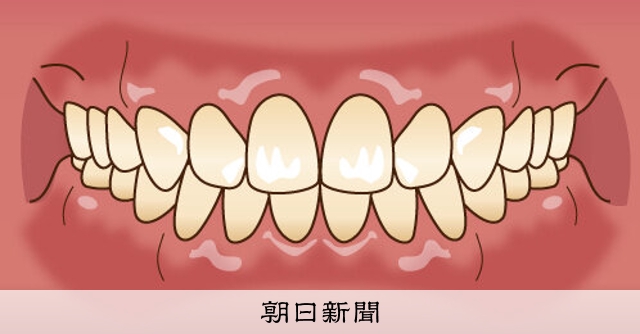
Children who breathe through their mouths while sleeping and chew their food fewer times are at a higher risk of developing misaligned teeth. This observation highlights potential contributing factors to the worsening dental alignment among elementary school students. The habits of mouth breathing and reduced chewing frequency are identified as key concerns.
The prevalence of misaligned teeth in children may be influenced by evolving lifestyle factors, including changes in dietary textures and sleeping habits. Modern diets often require less chewing, which can impact jaw development. Similarly, factors contributing to mouth breathing, such as allergies or nasal congestion, could also play a role. Addressing these oral habits and underlying physiological conditions through early intervention may be crucial for promoting healthy dental development and potentially mitigating the need for extensive orthodontic treatment later in life. This situation underscores the interplay between environmental influences, physiological responses, and long-term health outcomes.
AI-generated to prompt reflection — not editorial opinion, not advice, not a statement of fact. How this works.