Mozambican President Chapo Urges Tanzania and Mozambique to Build Regional Value Chains for Economic Growth
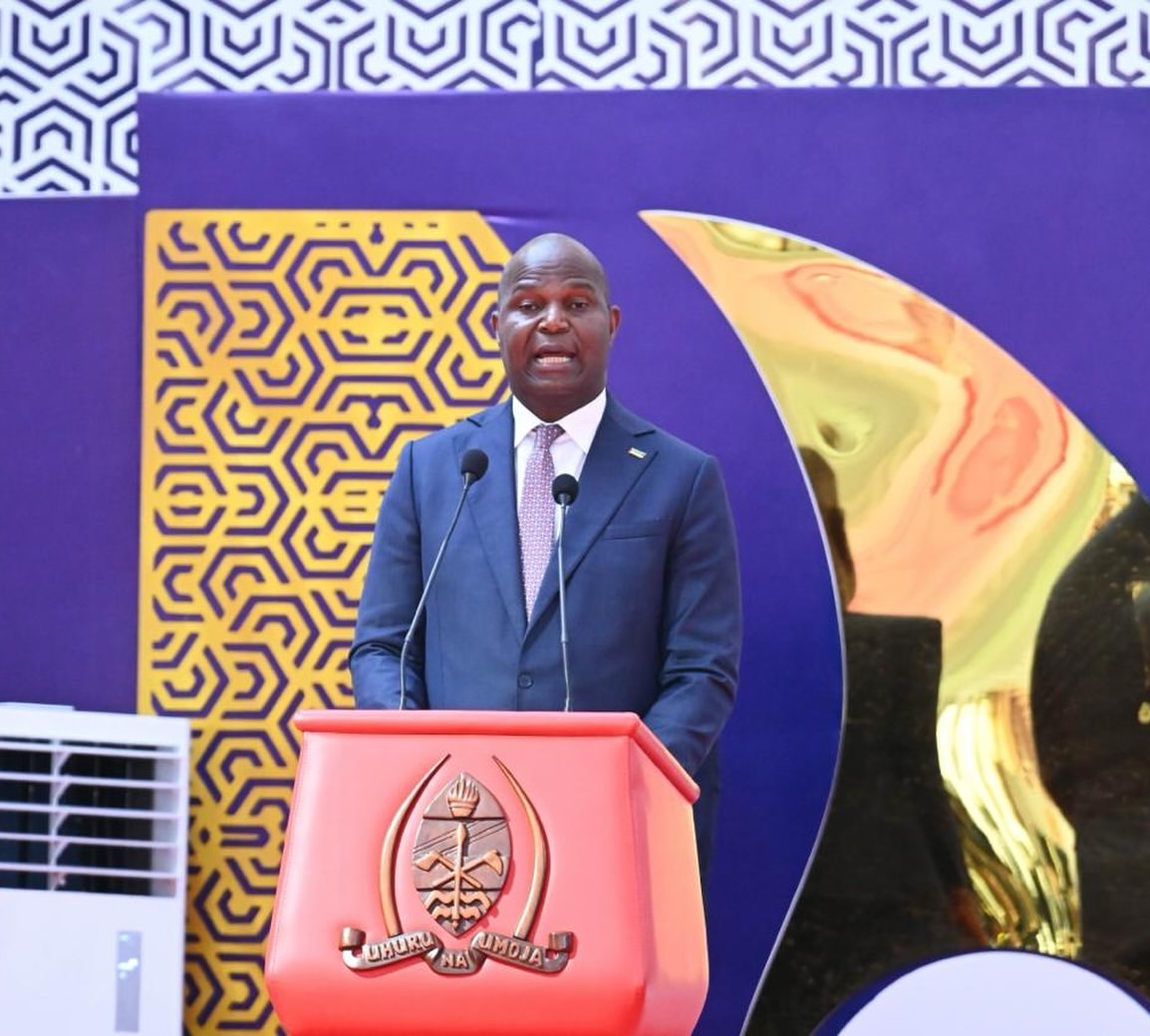
Mozambican President Daniel Chapo has urged Tanzania and Mozambique to collaborate and harness their complementary economies to establish East and Southern Africa as a competitive regional economic hub. Speaking at the opening of the 50th Dar es Salaam International Trade Fair (DITF) in Dar es Salaam, President Chapo highlighted the significant potential for the two nations to bolster regional economic integration. He emphasized that by developing robust regional value chains, both countries can drive economic growth and enhance their collective competitiveness on the global stage. The call underscores a strategic vision for deeper economic cooperation between Mozambique and Tanzania, aiming to unlock shared prosperity and industrial development. This initiative seeks to move beyond bilateral trade towards a more integrated approach to economic development within the broader East and Southern African region. The fair provides a platform for showcasing opportunities and fostering partnerships to achieve these ambitious economic goals.
President Chapo's call for regional value chains highlights a strategic imperative for African nations to deepen economic integration and move up global value chains. This approach aims to reduce reliance on primary commodity exports and foster industrialization by creating interconnected production networks. The success of such initiatives hinges on addressing infrastructure deficits, harmonizing trade policies, and fostering an environment conducive to private sector investment across borders. Over the next decade, the ability of regional blocs to build these internal capacities will be a critical determinant of their economic resilience and competitiveness in an increasingly complex global landscape. The focus on complementary economies suggests a pragmatic strategy to leverage existing strengths, but requires sustained political will and effective governance to overcome implementation challenges and ensure equitable distribution of benefits.
AI-generated to prompt reflection — not editorial opinion, not advice, not a statement of fact. How this works.