Mozambique Central Bank Flags Persistent Financial Inclusion Gaps
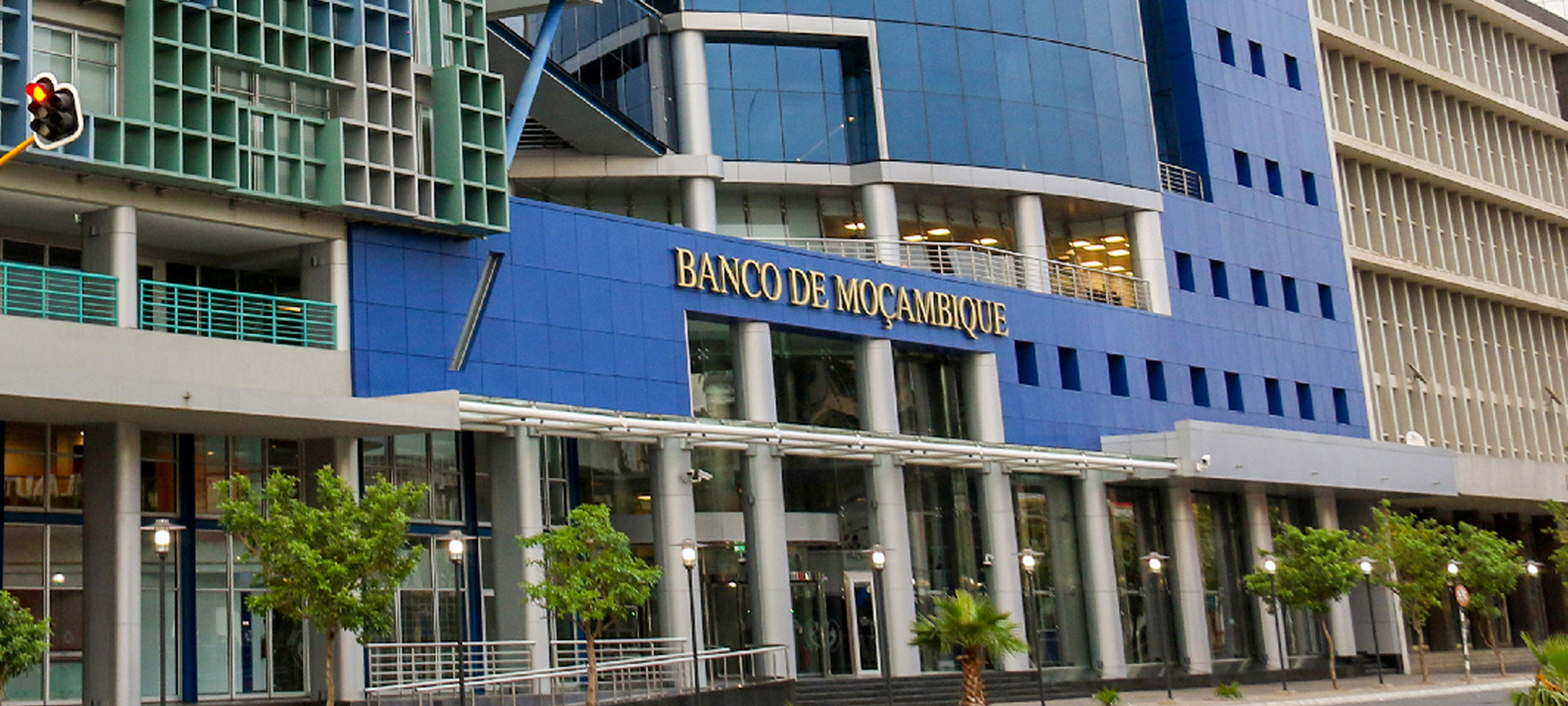
Despite progress in financial inclusion, Mozambique continues to grapple with significant disparities in access to financial services. A report from the Bank of Mozambique highlights that provinces such as Niassa, Nampula, Zambézia, and Cabo Delgado exhibit weak coverage of financial services. Furthermore, credit extended to the economy has seen a decline, and limitations in financial literacy persist across the nation. These findings indicate that while efforts are being made, substantial challenges remain in ensuring equitable access to and utilization of financial products and services throughout Mozambique. The central bank's alert underscores the need for targeted interventions to address these persistent inequalities and foster broader economic participation.
The Bank of Mozambique's report points to a common challenge in developing economies: the uneven distribution of financial services, even amidst overall inclusion gains. The concentration of weak coverage in specific northern provinces suggests that geographic and potentially socio-economic factors continue to create barriers. The decrease in credit to the economy, coupled with literacy gaps, indicates a complex interplay of supply-side limitations and demand-side constraints. Addressing these issues will likely require a multi-pronged approach, focusing on infrastructure development in underserved regions, tailored financial education programs, and potentially regulatory adjustments to encourage more inclusive lending practices. Over the next decade, bridging these divides will be crucial for unlocking broader economic growth and reducing regional disparities.
AI-generated to prompt reflection — not editorial opinion, not advice, not a statement of fact. How this works.