Mozambique Government to Resume Public Servant Administrative Actions
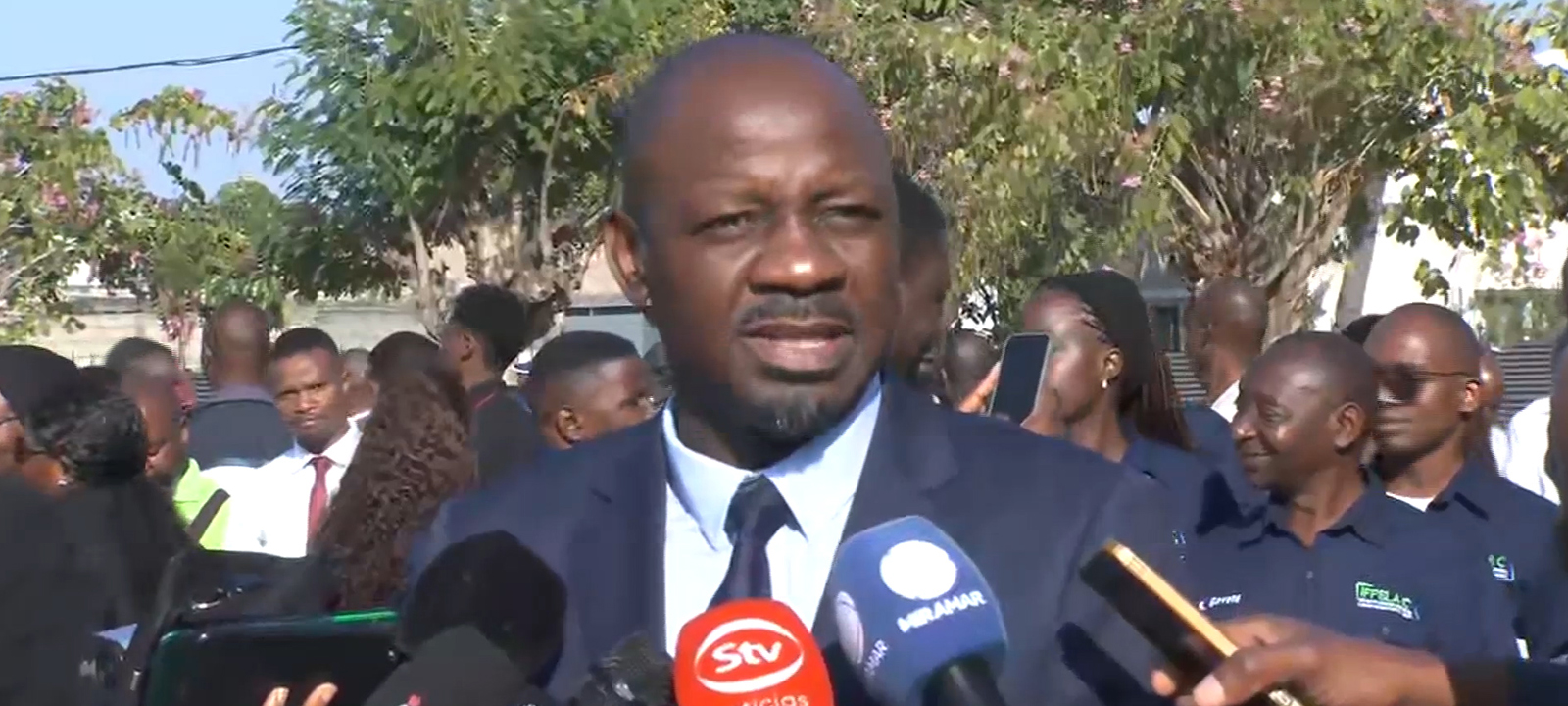
The Mozambican government is finalizing preparations to resume administrative actions for public servants, which have been suspended since 2021. This process is expected to initially benefit a portion of the over 300,000 public employees nationwide. The Ministry of State Administration and Public Function has allocated one billion meticais to fund this year's phase. However, this amount falls significantly short of the estimated 11 billion meticais needed to fully process all pending career progressions, promotions, and other updates for public servants. Consequently, the government is establishing prioritization criteria to determine the first beneficiaries. Priority may be given to approximately 5,200 employees whose processes were nearly complete in 2021 but were not formalized due to the suspension. Employees in lower salary categories are also likely to be prioritized to facilitate their gradual career advancement. Authorities assure that funds for the initial phase are secured and additional resources will be sought for subsequent years. The Ministry is currently gathering and processing data from all sectors and provinces to accurately identify beneficiaries and apply selection criteria. The government anticipates that the administrative actions for this first phase will commence in the coming months, with the full completion of this phase scheduled for October of this year.
The Mozambican government's initiative to resume administrative actions for public servants addresses a significant backlog that has impacted career progression since 2021. The substantial funding gap, with an estimated need of 11 billion meticais versus the allocated 1 billion meticais for the initial phase, highlights a systemic challenge in resource allocation and long-term financial planning within the public sector. The government's strategy of prioritizing certain groups, such as those with nearly completed processes and lower-paid employees, reflects a pragmatic approach to managing limited resources while attempting to mitigate the most pressing inequities. This situation underscores the tension between administrative efficiency, fiscal constraints, and the imperative of equitable career development for a large public workforce. Future policy will need to balance immediate needs with sustainable funding models to ensure consistent progress and avoid further administrative paralysis.
AI-generated to prompt reflection — not editorial opinion, not advice, not a statement of fact. How this works.