Mozambique Immigration Service Stops 29 Foreign Nationals in Sofala Province
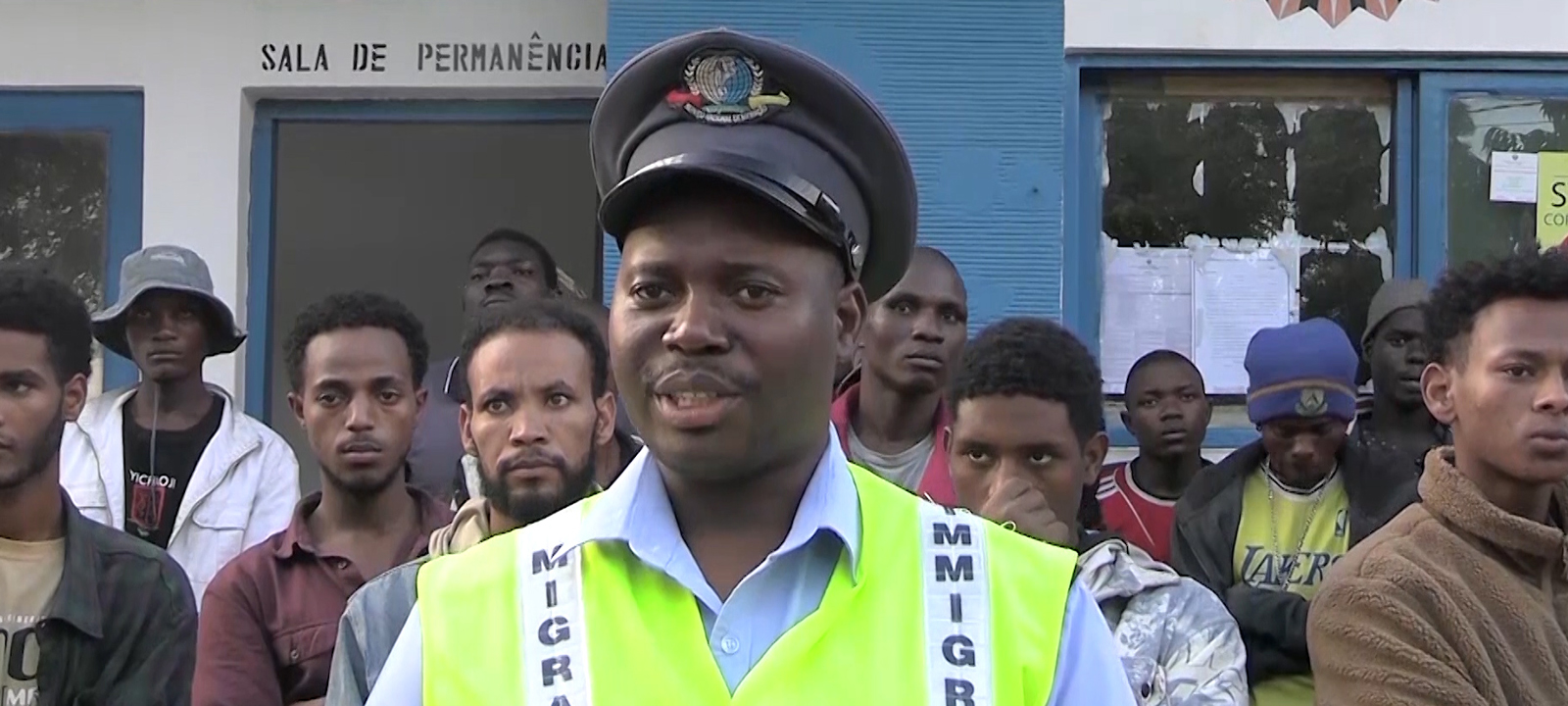
The National Migration Service (SENAMI) in Mozambique's Sofala province has prevented the illegal entry and stay of 29 foreign nationals. The group comprised 17 Malawians and 12 Ethiopians who were intercepted in the Marínguè and Caia districts. This operation was a result of joint efforts between SENAMI and local residents, whose cooperation was crucial in locating and apprehending the individuals. The Ethiopian citizens were reportedly using Mozambique as a transit route to South Africa, seeking better living conditions. Conversely, the Malawian citizens were intercepted while attempting to return to Malawi from South Africa, reportedly due to ongoing xenophobic incidents in that country. SENAMI confirmed that these individuals entered Mozambique outside of official border crossing points, violating national immigration laws. The 29 foreign nationals are scheduled to be repatriated via railway to the Tete province, from where they will proceed to their respective countries of origin, in coordination with relevant authorities. SENAMI reiterated its commitment to strengthening migration control and urged continued public collaboration in reporting illegal immigration to ensure national security and adherence to migration legislation.
This event highlights the complex migratory flows within Southern Africa, influenced by both economic aspirations and security concerns. The interceptions underscore the role of border control agencies in managing irregular migration, while the reported public cooperation suggests a local awareness of and engagement with national security objectives. The differing motivations of the Ethiopian and Malawian groups—one seeking opportunity, the other fleeing perceived danger—illustrate the multifaceted drivers of migration. Looking ahead, the effectiveness of such interceptions will be tested against the persistent push factors of economic disparity and regional instability, requiring adaptive strategies that balance security with humanitarian considerations and international cooperation.
AI-generated to prompt reflection — not editorial opinion, not advice, not a statement of fact. How this works.