Mozambique Police Seize 67 Motorcycles in Tete After Clashes
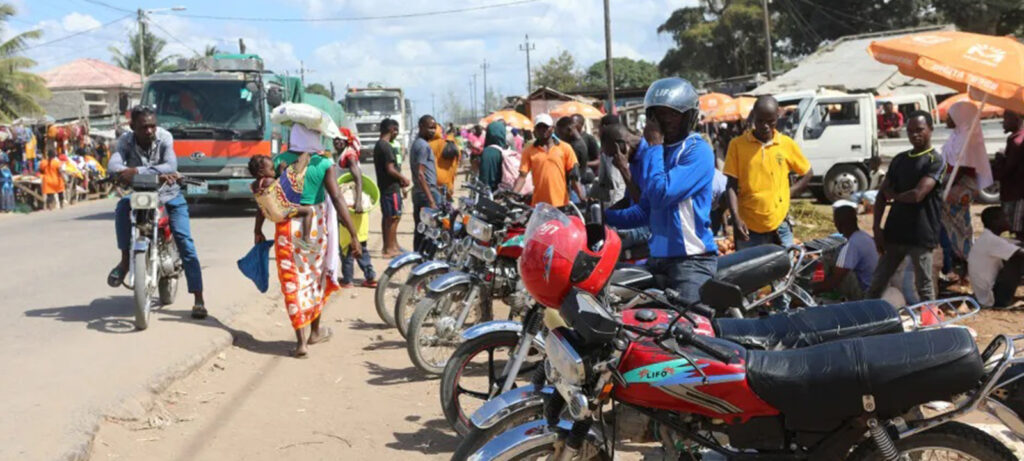
The Police of the Republic of Mozambique (PRM) confiscated 67 motorcycles during a crackdown in Tete city, just two days after confrontations between police officers and motorcycle taxi drivers. The operation targeted strategic, less populated areas of the city with the primary goals of regulating motorcycle activity and enforcing traffic laws. Various PRM units, including Traffic Police, the Rapid Intervention Unit (UIR), Protective Police, and Municipal Police, were deployed for this purpose. According to Feliciano da Câmara, the PRM spokesperson in Tete, the operation is part of authorities' efforts to decrease the high incidence of motorcycle-related traffic accidents in the province. He stated that these enforcement actions will continue until Tete becomes a national benchmark for reducing motorcycle-related road accidents. However, the measure has generated mixed reactions among motorcycle taxi operators. Some support increased enforcement for improved road safety and legal compliance, while others believe authorities should have prioritized a prior awareness campaign before initiating seizures. Those who oppose the operation argue that a prior warning period would have allowed them to regularize their documentation and meet legal requirements for their profession.
This operation by the PRM in Tete, occurring shortly after clashes with mototaxistas, highlights a recurring tension between regulatory enforcement and public compliance. The PRM's stated objective of reducing traffic accidents and ensuring legal compliance is a legitimate governance concern. However, the immediate implementation of seizures without a preceding sensitization phase, as suggested by some operators, raises questions about the proportionality and perceived fairness of the approach. From a systems perspective, balancing immediate order with long-term behavioral change requires careful calibration. Future strategies could explore phased interventions that combine robust enforcement with clear communication and accessible pathways for regularization, aiming to foster a more collaborative environment for road safety rather than one characterized by immediate punitive measures. This approach could mitigate potential social friction and enhance the sustainability of traffic law adherence in the long run.
AI-generated to prompt reflection — not editorial opinion, not advice, not a statement of fact. How this works.