MP Calls for Prioritizing Unsettled Audit Objections by Public Accounts Committee
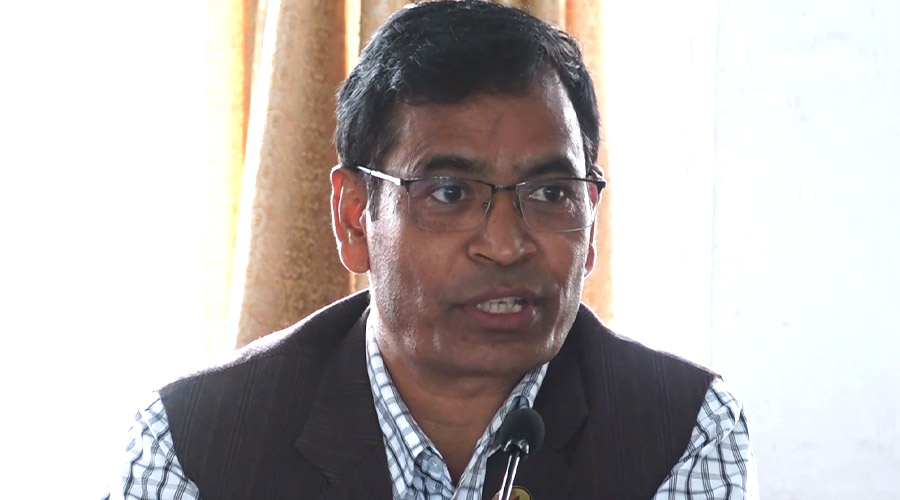
Mahendra Bahadur Shahi, a Member of Parliament from the Nepali Communist Party, has emphasized that the Public Accounts Committee should prioritize settling outstanding audit objections. Speaking at a committee meeting on Tuesday, June 23rd, he urged the committee to create a clear work plan to resolve these issues within one to two weeks. Shahi stressed that the committee should not only focus on complaints it has received but also address other matters of public importance. The meeting aimed to discuss the committee's priorities and operational strategies. The MP's statement highlights a concern over the accumulation of unsettled audit findings and the need for timely resolution. He believes that a proactive approach is necessary to ensure financial accountability within public institutions. The committee is expected to deliberate on the proposed work plan and timelines in its upcoming sessions.
The call by MP Mahendra Bahadur Shahi to prioritize unsettled audit objections by the Public Accounts Committee highlights a persistent challenge in public financial management: the backlog of unresolved discrepancies. This situation can indicate potential weaknesses in oversight mechanisms, accountability frameworks, or the capacity of institutions to address findings promptly. The emphasis on a clear work plan and a short timeline suggests a recognition that delays can exacerbate issues and potentially lead to further financial irregularities. From a systemic perspective, efficient resolution of audit objections is crucial for maintaining public trust, ensuring efficient allocation of resources, and preventing the erosion of financial discipline. The committee's focus on this issue could signal a shift towards more robust governance and a commitment to fiscal responsibility in the coming years, potentially influencing future budgetary allocations and institutional performance evaluations.
AI-generated to prompt reflection — not editorial opinion, not advice, not a statement of fact. How this works.