MP Expresses Concern Over Unresolved Grievances in Parliamentary Committees
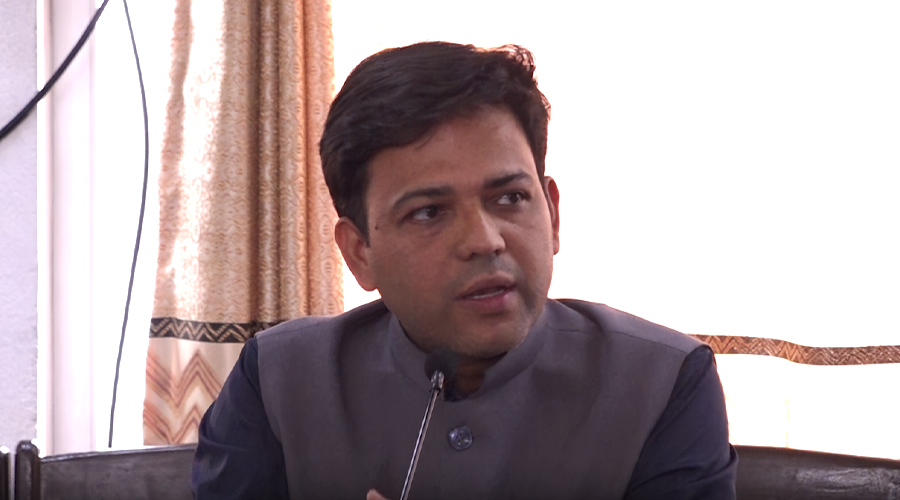
Bipin Kumar Acharya, a Member of Parliament from the Rastriya Swatantra Party (RSP), has voiced concerns that grievances submitted to parliamentary committees are remaining unresolved for years. During a committee meeting held in Singha Durbar on Monday, August 18th, grievances were distributed to MPs to initiate the study and discussion process. Participating in this discussion, Acharya, who also serves as the RSP's General Secretary, highlighted the prolonged delays in addressing complaints brought before the committees. The current situation raises questions about the efficiency and effectiveness of the parliamentary committee system in delivering timely justice or resolution to the issues presented. This delay could potentially erode public trust in these institutions and their ability to function as intended. The intention behind establishing these committees is to provide a platform for thorough examination and resolution of various matters, but the current pace of work appears to be falling short of expectations. The prolonged pendency of cases suggests a systemic issue that requires attention to ensure the committees operate more effectively.
The prolonged pendency of grievances within parliamentary committees suggests potential systemic inefficiencies in case management and resolution processes. This situation may stem from factors such as insufficient resources, complex legislative procedures, or a lack of defined timelines for committee actions. Such delays can undermine public confidence in the legislative oversight function and the equitable administration of justice. Addressing these bottlenecks through procedural reforms, enhanced staffing, or technological integration could improve the committees' responsiveness and effectiveness in the long term. Evaluating the incentive structures for committee members and staff regarding timely case resolution might also offer insights into optimizing performance. The ability of these committees to efficiently handle public grievances is crucial for democratic accountability and the perceived fairness of governance.
AI-generated to prompt reflection — not editorial opinion, not advice, not a statement of fact. How this works.
