MP KC Objects to Secrecy in Parliamentary Committee Meetings
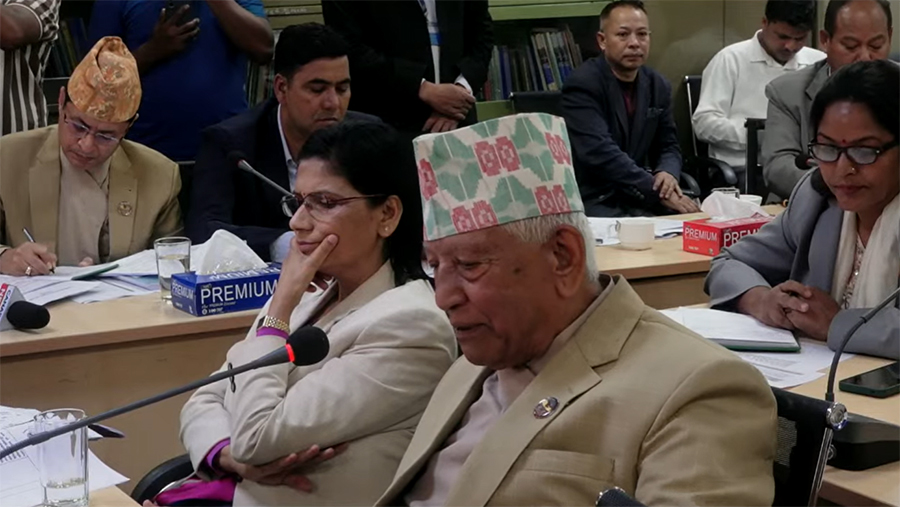
Arjun Narsingh KC, a Member of Parliament from the Nepali Congress party, has expressed strong objection to the practice of holding parliamentary committee meetings in secret. KC, who serves as a member of the State Affairs and Public Governance Committee in the House of Representatives, voiced his dissatisfaction during a discussion on the committee's working procedures. He argued that while some issues of national importance might occasionally require confidential deliberations, the general trend towards secrecy in parliamentary committees is problematic. KC believes that transparency in legislative processes is crucial for public trust and accountability. He emphasized that such secrecy could hinder open debate and the free exchange of ideas necessary for effective governance. The MP's concerns highlight a broader debate about the balance between necessary confidentiality and the public's right to information regarding parliamentary proceedings. His remarks were made on July 19th in Kathmandu.
The assertion of secrecy in parliamentary committee meetings raises questions about the balance between legislative efficiency and public accountability. While certain national security or sensitive investigative matters may necessitate closed-door sessions, a pattern of opacity can undermine democratic principles by limiting public scrutiny and potentially shielding deliberations from necessary debate. This practice could inadvertently create an environment where policy decisions are made without full consideration of diverse public interests, impacting long-term governance effectiveness. Future legislative frameworks might benefit from clearer guidelines on when and why committee sessions can be classified, ensuring that transparency remains the default, thereby fostering greater public confidence in the democratic process.
AI-generated to prompt reflection — not editorial opinion, not advice, not a statement of fact. How this works.
