MP Operation Targets PCC Financial Operators in Mogi das Cruzes
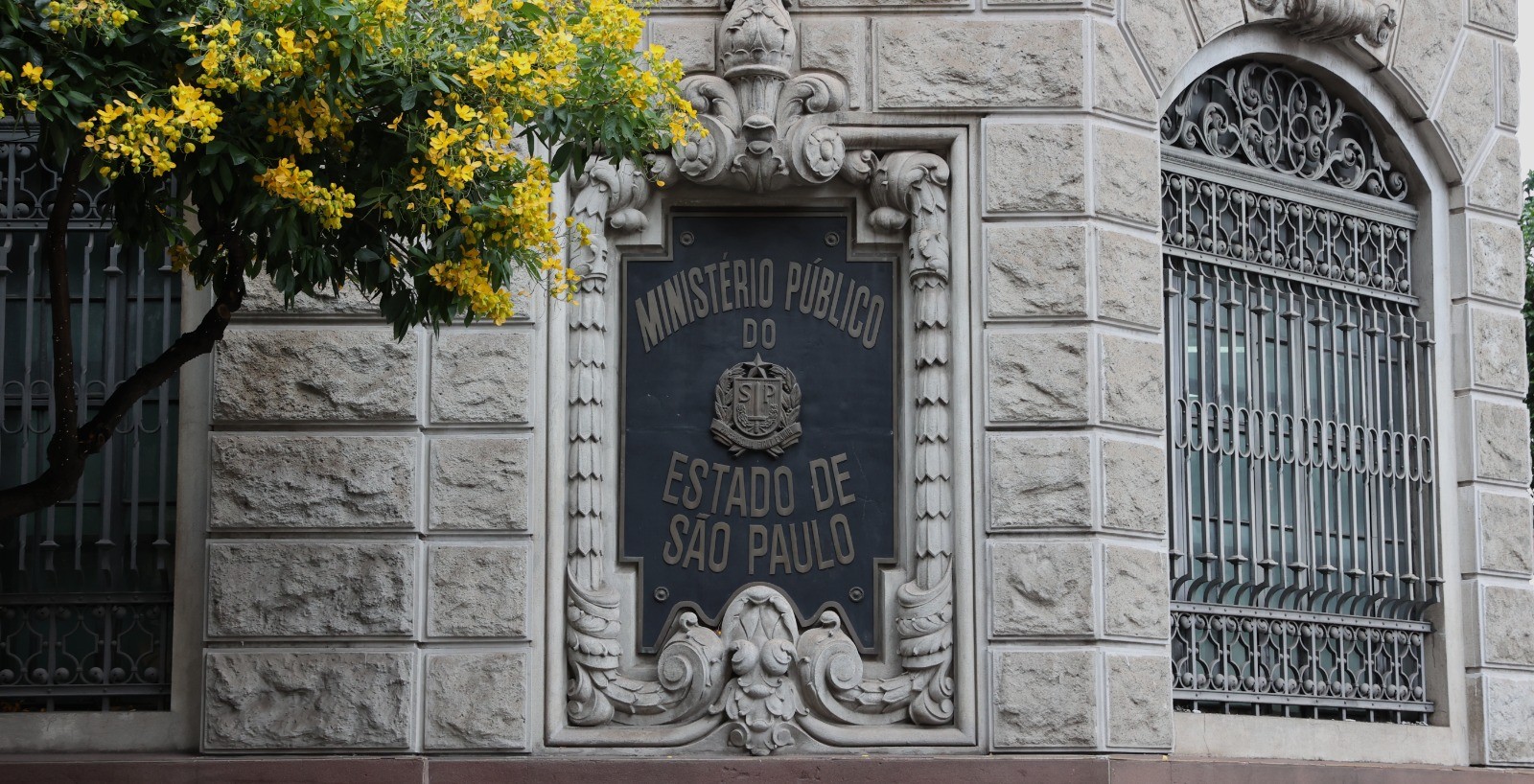
The São Paulo Public Prosecutor's Office (MPSP), through its Special Action Group to Combat Organized Crime (Gaeco), launched Operation Janus on Tuesday, November 21st. The operation is targeting individuals suspected of acting as financial operators for the powerful criminal organization, the First Capital Command (PCC). One of the key individuals under investigation is Marcelo de Morais de Oliveira, a resident of Mogi das Cruzes, who is believed to be a member of the PCC. Investigations suggest he was involved in a financial dispute that was allegedly resolved through the PCC's "crime tribunal" system. Consequently, the MPSP has requested Oliveira's preventive detention and the seizure of his assets in Mogi das Cruzes. The investigation encompasses alleged crimes including promoting and financing criminal organizations, money laundering, corruption, procedural fraud, and criminal organization membership. The operation also revealed methods used to conceal illicit funds, such as exchanging bank transfers for cash, utilizing shell companies, and moving resources through straw men, including relatives of the accused. Furthermore, the PCC allegedly used these funds to corrupt police officers, both civil and military, to shield members from punishment and obstruct ongoing investigations. The MPSP is seeking the preventive detention of 18 individuals and has requested the seizure of assets belonging to both individuals and legal entities, up to a total of R$ 10 million.
This operation highlights the sophisticated financial infrastructure of organized crime groups like the PCC, extending beyond direct criminal activity to encompass complex money laundering schemes and corruption of law enforcement. The use of "crime tribunals" to resolve internal financial disputes and property issues suggests a parallel governance system operating within the law. The investigation's focus on financial operators and asset seizure indicates a strategic approach to dismantle the organization by targeting its economic power base. Future efforts may need to address the systemic vulnerabilities that allow such parallel economies and corruption to flourish, considering the long-term implications for public trust and institutional integrity in the digital age.
AI-generated to prompt reflection — not editorial opinion, not advice, not a statement of fact. How this works.