MP Politics: Narottam Mishra Denied Ticket in Datia, Signaling Shift in BJP Power Dynamics
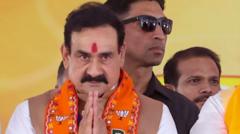
The Bharatiya Janata Party's decision to deny a ticket to senior leader Narottam Mishra in Datia, Madhya Pradesh, is being interpreted by party insiders as more than just a local electoral choice. This move is seen as a significant indicator of a new balance of power within the state's BJP unit, affecting the interplay between government, party organization, and leadership. The decision suggests a potential reshuffling of influence and strategic recalibration ahead of upcoming elections. While specific reasons for Mishra's exclusion from the Datia seat are not detailed, the broader political implications are being widely discussed. This development highlights the internal dynamics and decision-making processes within one of India's major political parties. The party's leadership appears to be making strategic adjustments to its candidate lineup and internal power structures. The discussions around this decision also involve the Rashtriya Swayamsevak Sangh (RSS), indicating its continued influence in party affairs and candidate selections. The outcome of this strategic shift could have a notable impact on the BJP's performance and internal cohesion in Madhya Pradesh.
The exclusion of a senior leader like Narottam Mishra from a key constituency signals a potential recalibration of power structures within the Madhya Pradesh BJP. Such decisions often reflect a complex interplay of electoral strategy, organizational priorities, and evolving leadership dynamics. The involvement of the RSS further underscores the intricate governance model where ideological and organizational bodies significantly influence political appointments. This move could be interpreted as an attempt to consolidate leadership, adapt to changing political landscapes, or address internal factionalism. The long-term impact will depend on the party's ability to manage internal dissent and effectively mobilize its cadre under the new leadership configuration, especially in the context of upcoming electoral cycles and the broader national political agenda.
AI-generated to prompt reflection — not editorial opinion, not advice, not a statement of fact. How this works.