MP Questions Nepal's Ambitious Economic Growth Targets
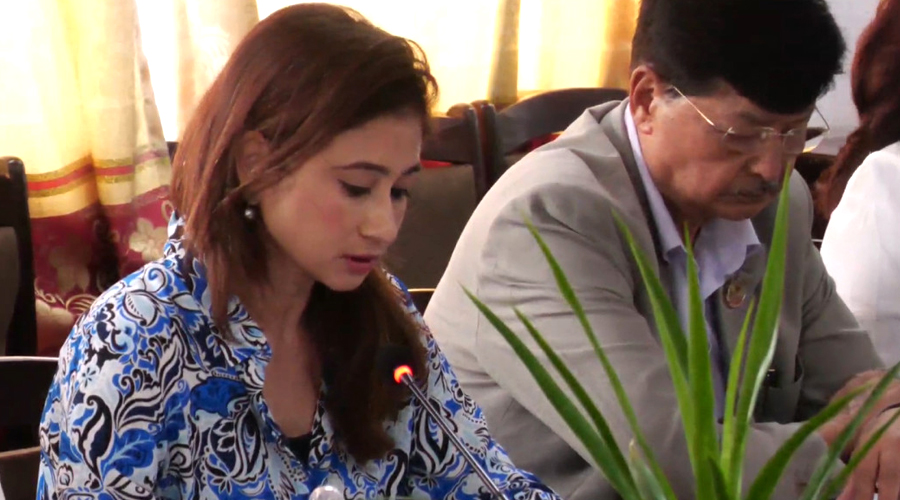
Vidushi Rana, a Member of Parliament from the ruling Rastriya Swatantra Party, has raised concerns about the targets and implementation strategy of the 16th National Plan proposed by the National Planning Commission. Speaking at a meeting of the Finance Committee of the House of Representatives on Monday, Rana questioned the commission's ambitious goal to expand the economy to 103 trillion Nepalese Rupees by the end of the fiscal year 2085/86 (2028/29) and achieve high economic growth. She implied that simply stating economic figures without a concrete plan for their achievement would not lead to prosperity. The current economic size is not specified in the provided text. The discussion highlighted a potential disconnect between the aspirations of the planning commission and the practical realities of economic development in Nepal. The committee meeting focused on reviewing the proposed plan and its feasibility. Further details on the specific implementation challenges and alternative proposals were not included in this excerpt.
The Member of Parliament's critique highlights a common challenge in national development planning: the gap between aspirational targets and actionable strategies. Setting ambitious economic figures, such as reaching 103 trillion Nepalese Rupees, is a necessary first step, but the true measure of success lies in the feasibility and effectiveness of the implementation framework. Without robust policies, structural reforms, and efficient resource allocation, such targets risk becoming mere projections rather than achievable outcomes. This situation prompts reflection on governance mechanisms and the need for transparent, data-driven planning processes that prioritize practical execution over abstract goals. Looking ahead, Nepal's economic trajectory will depend on its ability to foster an environment conducive to sustainable growth, which requires addressing underlying systemic issues rather than solely focusing on headline figures.
AI-generated to prompt reflection — not editorial opinion, not advice, not a statement of fact. How this works.