MS Water Bills Must Disclose Pesticide Contamination Risks, Prosecutor Orders
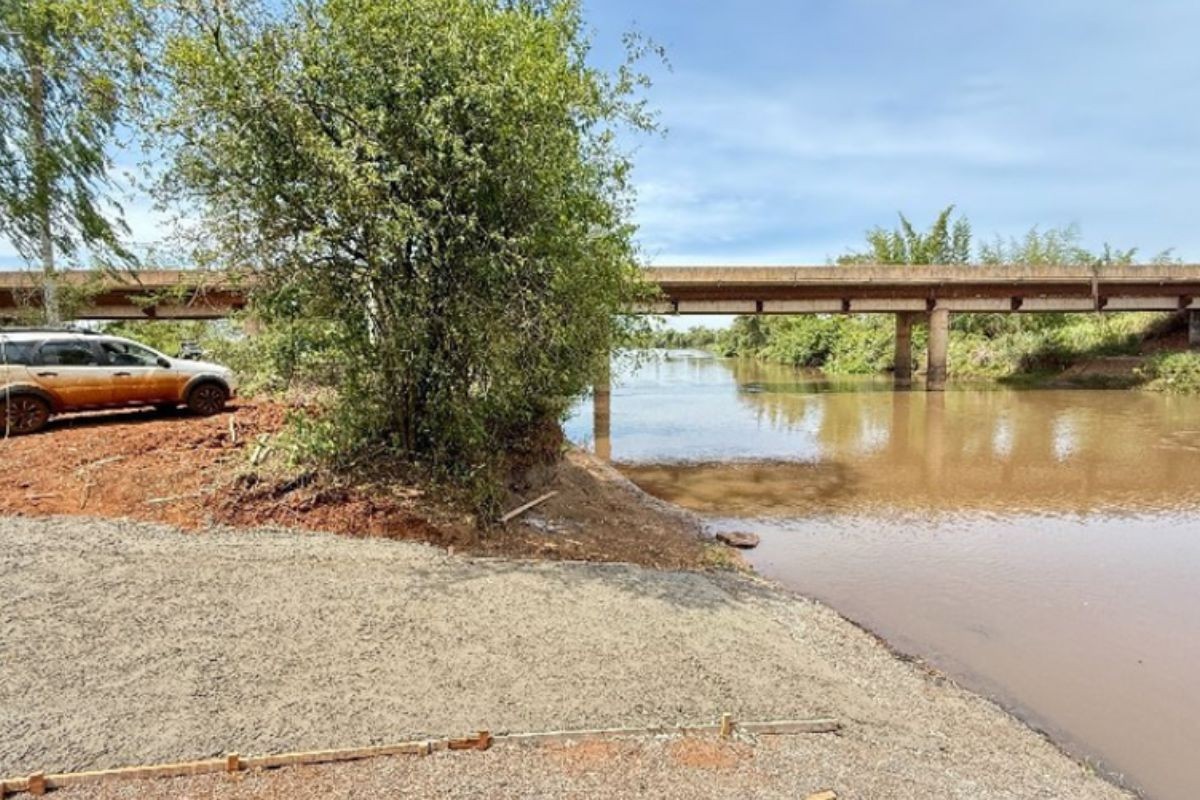
The Mato Grosso do Sul Sanitation Company (Sanesul) has been ordered by the Federal Public Prosecutor's Office (MPF) to revise the water quality information provided on utility bills in Dourados. The company has 30 days to implement these changes, which stem from identified contradictions regarding the risk of pesticide contamination in the Rio Dourados, the municipality's water source. An investigation revealed that while Sanesul's bills acknowledged agricultural and livestock influences on the river, they also stated no "evident risks of contamination." The MPF considers this misleading, as monitoring data shows a significant presence of agrochemicals. Specifically, a monitoring panel developed by Embrapa Agropecuária Oeste found 38 types of pesticides in the water during the first four months of 2026 alone. The MPF's recommendation mandates that water bills clearly summarize analysis results, explicitly highlight health risks, and remove the claim of no evident contamination. Sanesul must also provide consumer guidance on prevention measures and detail water quality in its annual report. This report should include information on the watershed's condition, potential contamination sources, monthly analysis results, Maximum Permitted Values (MPV) for each substance, sample collection data, and corrective actions taken. Results failing to meet potability standards must be flagged as "Outside potability standards."
This situation highlights a systemic challenge in balancing agricultural productivity with public health and environmental transparency. The MPF's intervention underscores the critical need for clear, unvarnished communication from utility providers regarding water quality, especially when scientific monitoring reveals concerning trends. The increased detection of pesticides, including those reclassified as probable carcinogens by the IARC, necessitates a proactive approach to risk communication and management. Future policy may need to address the cumulative impact of multiple pesticide residues and the effectiveness of current regulatory limits in safeguarding public health against long-term exposure, considering evolving scientific understanding and the increasing prevalence of agricultural chemicals in water sources.
AI-generated to prompt reflection — not editorial opinion, not advice, not a statement of fact. How this works.