MTA President Acknowledges Local Support for NYC Bus Lanes After Previous Criticism
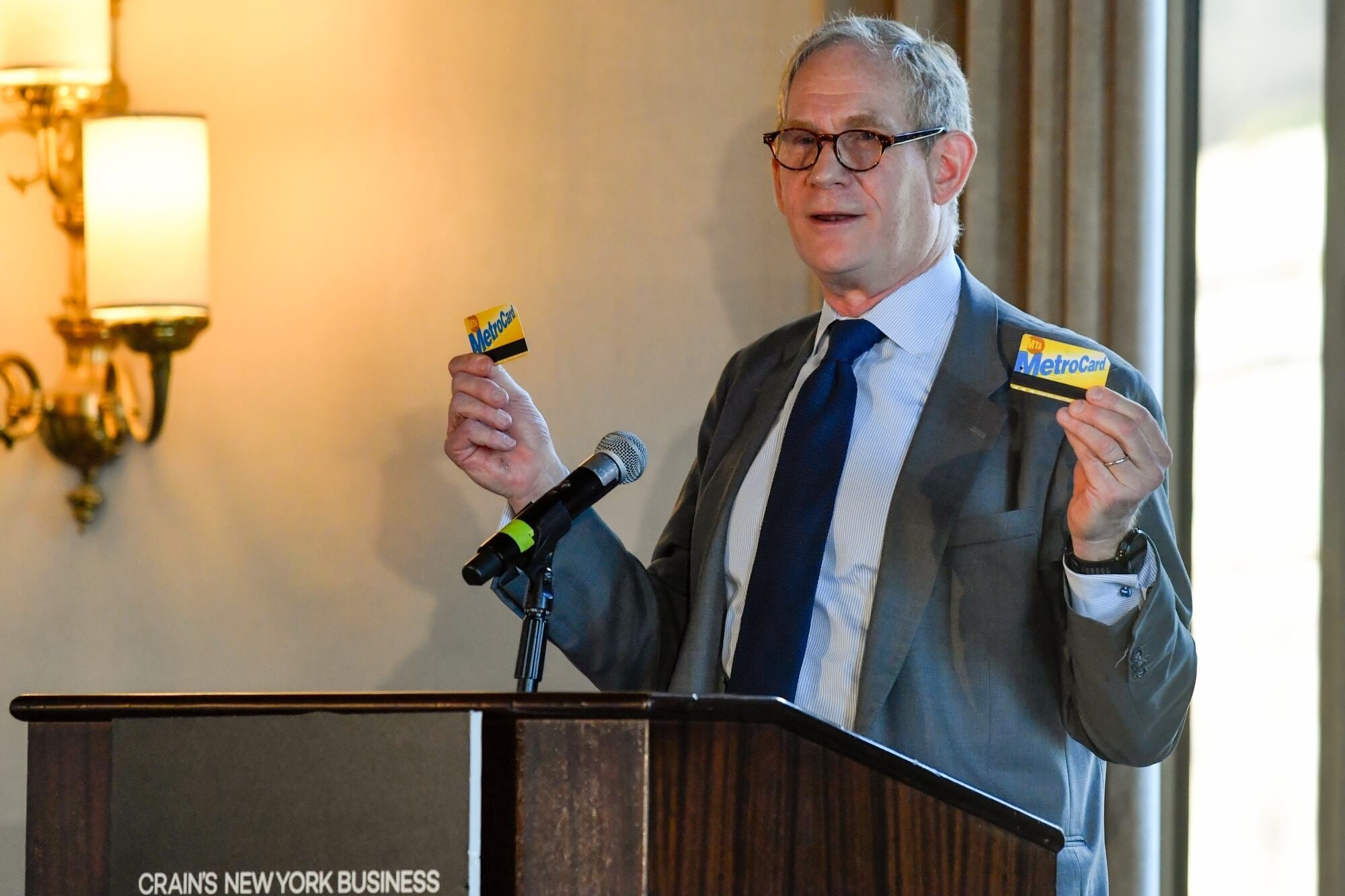
MTA President Janno Lieber has acknowledged the crucial role of local support in the implementation of bus-only lanes in New York City. This comes after previous criticisms regarding a lack of backing for such initiatives. Lieber specifically mentioned the efforts of Eric Adams, the city's mayor, and Zohran Mamdani, a deputy commissioner in the Department of Transportation, in securing this support. The MTA president highlighted that without this local backing, the expansion of dedicated bus lanes would have been significantly more challenging. The original report suggests that the previous administration or other local entities may not have been as cooperative. The focus on bus lanes is part of a broader strategy to improve public transportation efficiency and reliability across the city. These dedicated lanes aim to reduce bus travel times by preventing them from getting stuck in general traffic. The success of these lanes is seen as vital for encouraging more New Yorkers to use public transit. Lieber's comments indicate a shift in the political landscape, enabling greater progress on transit infrastructure projects.
The shift in acknowledgment from the MTA president regarding local support for bus lanes suggests a potential recalibration of inter-governmental relations in New York City. Previously, a perceived lack of local backing may have hindered transit infrastructure development, indicating systemic challenges in coordinating city and transit agency priorities. The current administration's engagement, particularly with Mayor Eric Adams and DOT Deputy Commissioner Zohran Mamdani, highlights the impact of political capital and collaborative governance on implementing public policy. This development underscores how effective public transit solutions, especially those altering street usage, are contingent on strong, unified political will. Looking ahead, the success of these bus lanes will likely be measured not just by ridership increases but also by their contribution to broader urban mobility goals and the city's climate objectives, necessitating sustained inter-agency cooperation and public buy-in.
AI-generated to prompt reflection — not editorial opinion, not advice, not a statement of fact. How this works.