Mulberry Festival Combines Flavor and Charity in Praia Grande and Bertioga
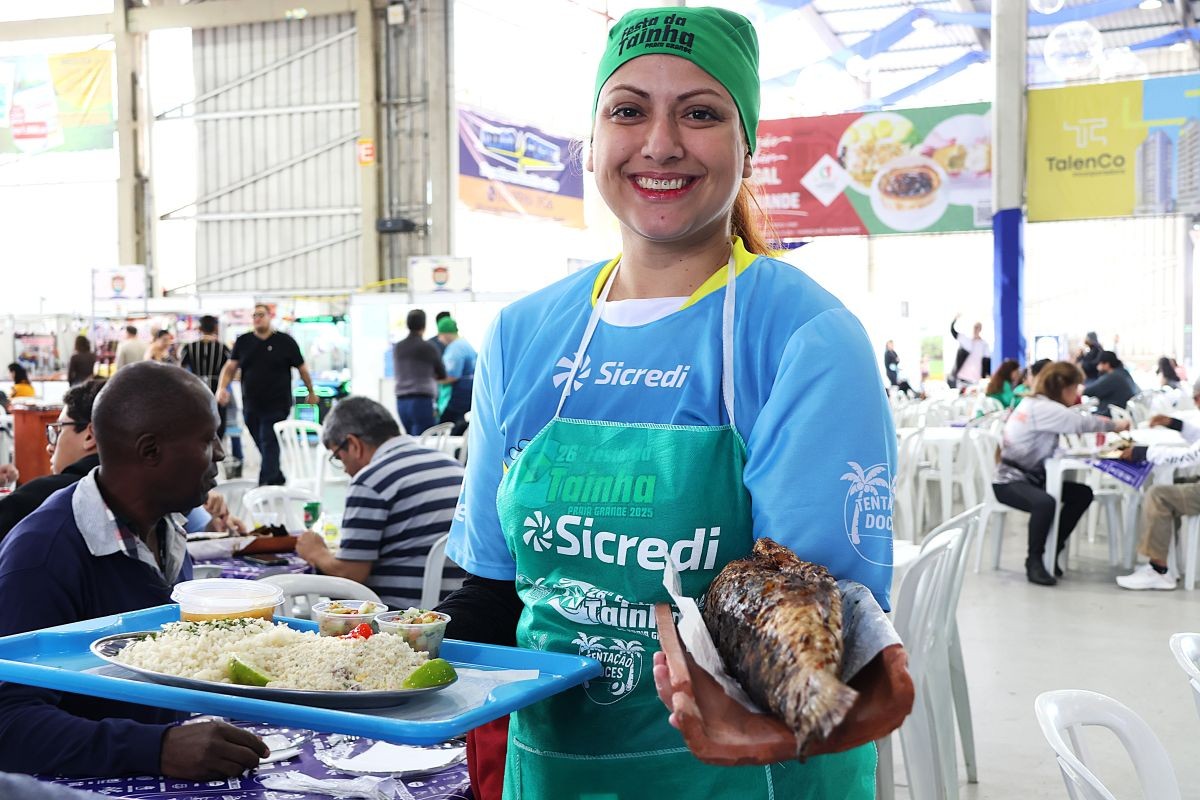
The annual Mulberry Festival is set to begin this Friday, July 3rd, in two locations along the São Paulo coast: Bertioga and Praia Grande. Both events will run on weekends throughout July, offering a combination of culinary delights, musical entertainment, and charitable initiatives. In Bertioga, the 49th Mulberry Festival, organized by the Lions Club, will take place until August 2nd at the Event Tent next to Parque dos Tupiniquins. The signature dish is the traditional grilled mullet, served with rice, farofa, vinaigrette, and bread, priced at R$190 and serving up to three people. All proceeds from this event will support local social projects, including wheelchair loans, eyeglasses donations, health campaigns, and aid for vulnerable families. The festival will also feature live music and activities for all ages. Meanwhile, Praia Grande is hosting its 27th Mulberry Festival at the Jair Rodrigues Events Pavilion in Quietude, starting the same day. This festival will operate on Fridays from 7 PM to 11 PM, Saturdays from 12 PM to 11 PM, and Sundays from 12 PM to 5 PM, with extended hours on the July 9th holiday. The grilled mullet, served on a tile with rice, farofa, and vinaigrette, costs R$140 and serves two to three people. Organizers anticipate over 100,000 visitors and aim to sell approximately 25 tons of mullet, an increase from the previous year. Revenue generated will benefit various welfare organizations and Praia Grande's Social Solidarity Fund.
These dual Mulberry Festivals highlight a community-driven approach to local economic stimulation and social welfare. By leveraging a popular local food item, organizers create events that draw significant visitor numbers, thereby generating revenue for both municipal funds and charitable organizations. The pricing structure, with dishes serving multiple people, suggests an effort to make the culinary experience accessible while maximizing sales volume. The projected sale of 25 tons of mullet indicates a substantial economic activity tied to the festival. Future iterations could explore sustainable sourcing practices for the fish and expanded partnerships with local businesses to further amplify economic benefits and community engagement, ensuring the long-term viability and positive impact of these cherished traditions.
AI-generated to prompt reflection — not editorial opinion, not advice, not a statement of fact. How this works.